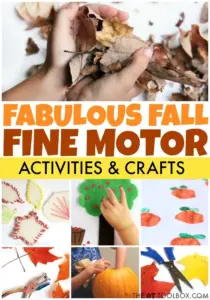




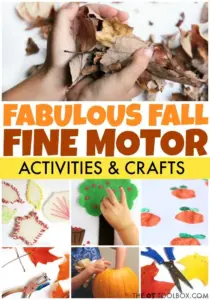




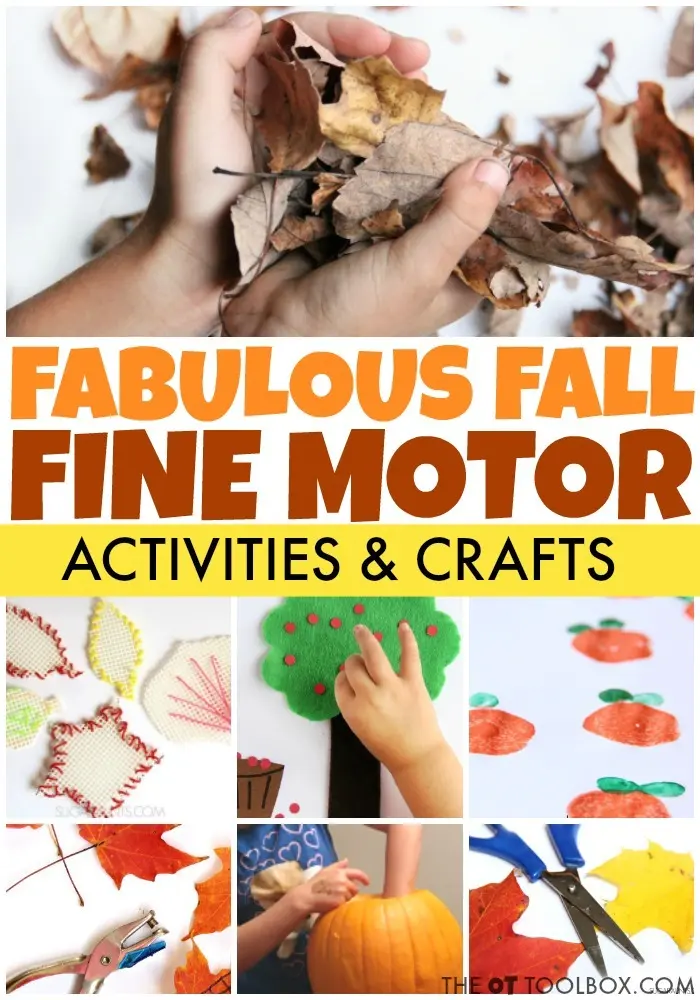
As the crisp autumn air arrives, bringing changing leaves and seasonal traditions, pediatric occupational therapists, educators, and parents are turning to fall-themed materials to support crucial childhood development. Rather than choosing seasonal crafts purely for festive engagement, professionals are increasingly utilizing autumn elements—such as apples, leaves, pumpkins, and gourds—to target specific fine motor needs in children, including hand strength, finger dexterity, scissor proficiency, visual-motor integration, and handwriting development.
The transition into autumn provides a natural abundance of sensory-rich materials that can easily be integrated into therapeutic and classroom settings. Experts note that many seasonal play items naturally address multiple developmental domains at once. By adapting these activities, practitioners can seamlessly tailor tasks to meet individual children at their specific developmental levels, transforming everyday play into targeted interventions.
Hand strength remains a foundational requirement for numerous academic and daily living tasks, from managing clothing fasteners to holding writing utensils. To address weaknesses in this area, therapists frequently incorporate resistive tasks such as working with apple-themed geoboards. By stretching rubber bands across pegs to recreate apple designs, children encounter physical resistance that builds finger and hand strength while simultaneously practicing bilateral coordination and visual-motor planning. Therapists can easily adjust the challenge by modifying the thickness of the bands or simplifying visual patterns.
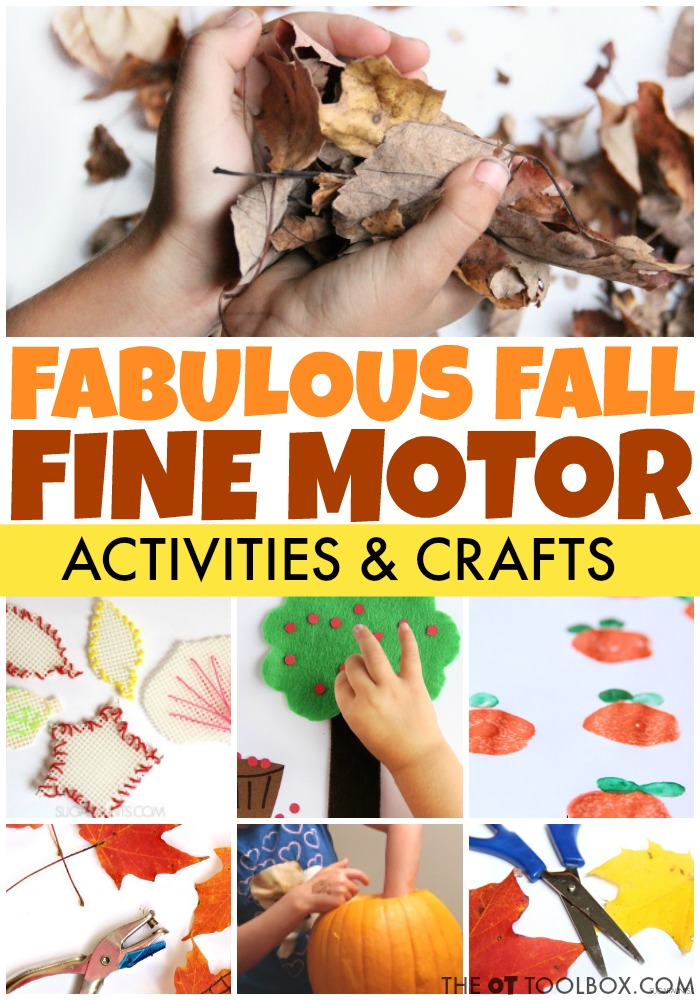
Play dough activities offer another versatile avenue for building hand strength and dexterity. The tactile nature of the dough provides both proprioceptive sensory feedback and resistance, which helps develop the small intrinsic muscles of the hands. Rolling, squeezing, pinching, and pressing dough can target specific grips, wrist stability, and arch development. Practitioners often embed small seasonal items like mini leaves, colored beads, or autumn erasers within the dough to encourage purposeful manipulation, turning traditional strengthening exercises into engaging play. Similarly, targeted hole-punching activities utilizing apple or leaf outlines require sustained hand force and visual-motor control, reinforcing the gross and pincer grasps necessary for academic success.
Beyond raw strength, fine motor dexterity demands speed, precision, and coordinated finger movements. Seasonal manipulatives such as craft pom-poms, seeds, paper clips, and small craft items provide practical opportunities to refine these skills. Activities involving paper clips, such as attaching them to apple-themed counting cards, require precise fingertip movements and bilateral hand coordination where one hand stabilizes the card while the other manipulates the fastener. Meanwhile, transferring fall-colored pom-poms using tongs or tweezers challenges hand-eye coordination and grip precision, with adjustments easily made by altering tool sizes or manipulative dimensions.
Scissor skills represent another critical area of development often supported through autumn-themed interventions. Cutting along structured paths on apple-cutting practice sheets or snipping real and paper fall leaves requires the cutting hand and the stabilizing hand to perform distinct, coordinated roles. As children open and close scissors while rotating the paper, therapists observe essential bilateral coordination and visual-motor integration in action. More complex cut-and-paste crafts further challenge executive functioning, as children must cut out pieces, visually determine correct spatial orientation, follow sequential assembly directions, and apply glue accurately.
Visual-motor integration is frequently intertwined with fine motor tasks, as children must coordinate what they see with how their hands move. Fall-themed directed drawing, pattern block designs, and seek-and-find activities provide practical contexts for addressing these needs. When engaging with seek-and-find visual tasks, children practice visual scanning, figure-ground perception, and sustained attention. Therapists often enhance these activities by incorporating physical fine motor responses, such as circling found items, covering them with small manipulatives, or attaching clothespins to corresponding pictures.
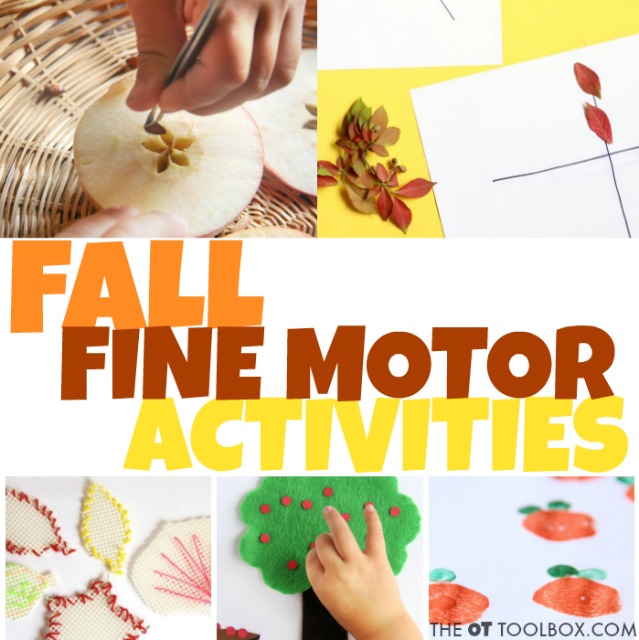
Handwriting development also benefits from seasonal integration. Rather than practicing isolated letters, educators and therapists utilize themed writing prompts that allow children to work on line awareness, spacing, letter size, formation, and writing endurance within meaningful contexts. A single set of prompts can be adapted across a mixed caseload, serving emerging writers who practice a single autumn word, beginning writers drafting sentences, and older students composing paragraphs.
For professionals seeking structured resources, membership platforms such as The OT Toolbox provide curated collections of ready-to-use fall activities, covering hand strength, scissor skills, visual-motor integration, and executive functioning. By leveraging these seasonal strategies, educators and therapists can effectively address developmental milestones while celebrating the changing seasons.