






GENEVA — As health systems around the globe strain under the immense pressure of the coronavirus pandemic, the World Health Organization (WHO) has issued an urgent warning that the temporary suspension or disruption of routine immunization services risks triggering a dangerous resurgence of vaccine-preventable diseases. The warning comes ahead of World Immunization Week, observed annually from April 24 to 30, a time traditionally dedicated to celebrating the power and reach of vaccines in safeguarding public health across generations.
When routine immunization programs are interrupted—even for brief periods during acute public health emergencies—the vulnerability of populations increases sharply. The immediate consequence is a heightened risk of devastating outbreaks of diseases that the global health community has spent decades working to control or eradicate, most notably measles and polio.
Public health experts point to recent history to illustrate the catastrophic human cost of failing to maintain essential vaccination services during crises. Last year, the Democratic Republic of the Congo (DRC) suffered a devastating measles outbreak that claimed more than 6,000 lives. This tragedy unfolded in a nation that was already simultaneously grappling with its largest-ever Ebola virus outbreak, vividly demonstrating the vital importance of preserving primary health services when emergencies strike. Allowing additional disease outbreaks to take hold now risks completely overwhelming health systems that are already stretched to their absolute limits by the impacts of COVID-19.
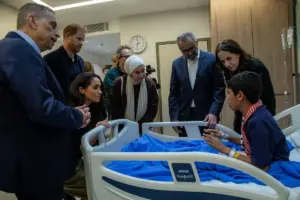
"Disease outbreaks must not remain a threat when we have safe and effective vaccines to protect us," said Dr. Tedros Adhanom Ghebreyesus, WHO Director-General. "While the world strives to develop a new vaccine for COVID-19 at record speed, we must not risk losing the fight to protect everyone, everywhere against vaccine-preventable diseases. These diseases will come roaring back if we do not vaccinate."
In response to the global health crisis, the WHO is actively collaborating with scientific, public health, and industry partners across the world to accelerate the research and development of a safe and effective vaccine specifically targeting the novel coronavirus. Beyond the laboratory, the organization is working to establish frameworks that guarantee equitable access to any future COVID-19 vaccine for the billions of people who will inevitably need it.
However, even with an unprecedentedly expedited scientific process, the development, testing, and mass production of a new vaccine for COVID-19 will inevitably take time. Until that milestone is reached, precautionary measures remain absolutely essential to keep populations safe from a wide array of pathogens—including infectious diseases for which robust, safe, and effective vaccines already exist to protect both children and adults.
Too Many People Are Still Excluded from the Benefits of Vaccines
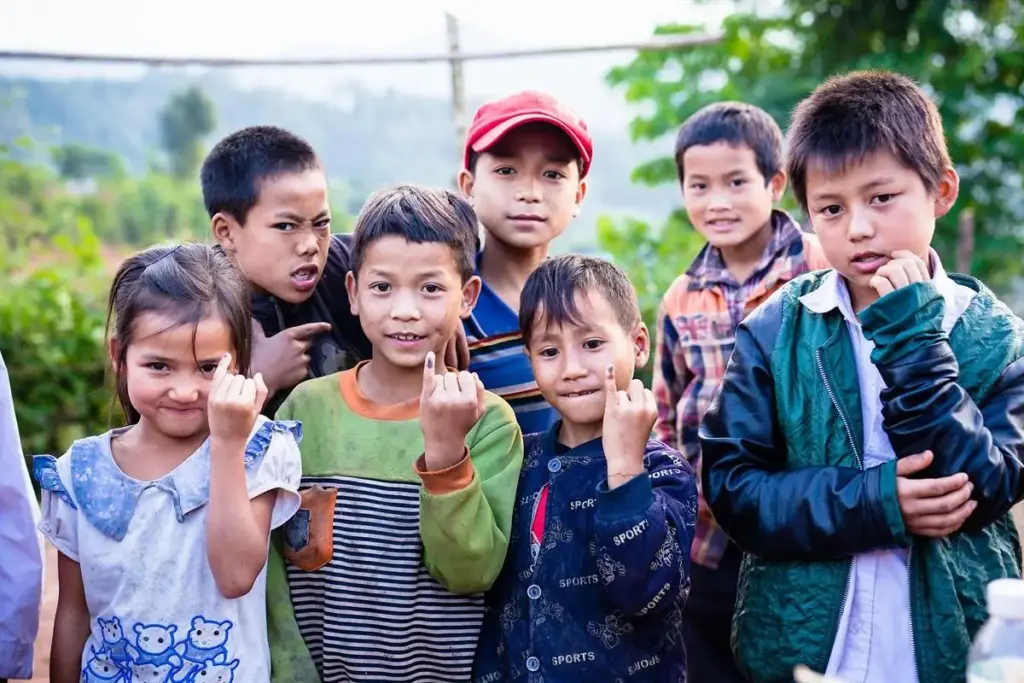
Prior to the emergence of the COVID-19 pandemic, the global health community had achieved immense, hard-won progress in ensuring that children around the world received life-saving vaccinations. Statistical milestones highlight the extraordinary reach immunization programs had attained: in 2018, an estimated 86 percent of children under the age of five globally were vaccinated with three doses of the diphtheria, tetanus, and pertussis (DTP3) vaccine, alongside one dose of the measles vaccine. This represented a dramatic global improvement from 72 percent coverage in the year 2000 and a mere 20 percent in 1980. Furthermore, concerted international efforts have succeeded in reducing the number of children paralyzed by wild poliovirus by 99.9 percent worldwide.
Despite these historic achievements, global vaccination coverage still falls significantly short of the critical 95 percent threshold needed to establish and maintain herd immunity, which is required to fully protect communities against the sudden outbreak and rapid spread of vaccine-preventable diseases.
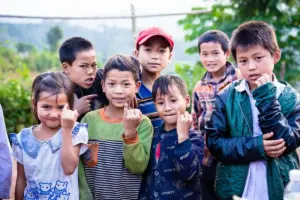
In 2018 alone, nearly 20 million children worldwide—representing more than 1 out of every 10 infants born that year—missed out on receiving routine, life-saving vaccines such as those protecting against measles, diphtheria, and tetanus. Within this vulnerable group, roughly 13 million children never received a single dose of any vaccine during their early years, leaving them, their families, and their broader communities at constant risk of severe illness and premature death. The vast majority of these unreached and under-vaccinated children live in nations and regions characterized by fragile health systems, which further restricts their access to basic medical care and essential health services when they fall ill.
Measles continues to remain an ever-present, highly contagious threat, particularly in environments where routine vaccination rates decline even slightly. Current epidemiological projections indicate that the number of reported measles cases for 2019 reached at least 800,000 globally. As the world moves through 2020, public health authorities harbor intense concerns about the possibility of another major resurgence, driven largely by the reality that routine vaccination schedules are being delayed, postponed, or entirely suspended due to the operational disruptions and physical distancing measures necessitated by the COVID-19 pandemic.
In addition to measles, potential outbreaks of polio, diphtheria, and yellow fever are sources of grave concern for international health agencies. The danger is acute in countries that possess the least capacity to respond quickly, decisively, and effectively to an emerging disease outbreak—a vulnerability that has been starkly demonstrated in past humanitarian emergencies, such as the polio outbreak that struck Syria in 2013 amid ongoing conflict and infrastructural breakdown.
Maintaining Immunization Services During COVID-19
As national governments and international agencies continue to mount their comprehensive responses to the COVID-19 pandemic, the WHO stresses that countries must act immediately to protect and sustain routine immunization services. Taking prompt action is the only way to minimize secondary disease outbreaks and prevent further preventable loss of life.
Protecting these services requires a multifaceted approach on the ground. Governments and health authorities must facilitate urgent catch-up vaccination programs in geographic areas and communities where routine service delivery has been disrupted. Additionally, maintaining strong, reliable supply chains for vaccine distribution, robust disease surveillance systems, and a well-supported, trained cadre of frontline health workers is critical. Meanwhile, parents and primary caregivers are strongly urged to ensure they continue to bring their children forward for scheduled vaccinations in accordance with established national health policies and safety guidelines.
To assist nations in navigating this delicate operational balance, the WHO has released new comprehensive guidelines on immunization activities in the context of COVID-19. The guidance recommends that governments temporarily pause wide-scale preventive immunization campaigns—such as mass door-to-door or community-wide vaccination drives—in geographic settings where there is no active outbreak of a vaccine-preventable disease, thereby reducing the risk of viral transmission and preserving personal protective equipment for COVID-19 responses.
At the same time, however, the WHO strongly urges countries to prioritize the continuation of routine immunization for infants and young children as an essential, non-negotiable component of primary health service delivery. The guidance likewise emphasizes the importance of maintaining adult vaccination programs targeting groups most at risk, such as seasonal influenza vaccinations for the elderly and those with underlying medical conditions. If local circumstances necessitate the temporary suspension of certain immunization services due to extreme pressure on the health infrastructure, health authorities must ensure that urgent catch-up vaccinations are rescheduled and administered as soon as safety allows, with a strict prioritization framework that focuses first on those individuals at the highest risk of severe disease.
The operational realities of balancing pandemic containment with the preservation of routine healthcare are coordinated through international communications and technical guidance from the WHO headquarters in Geneva, supported by communication officers including Fadela Chaib and Diane Abad-Vergara.