







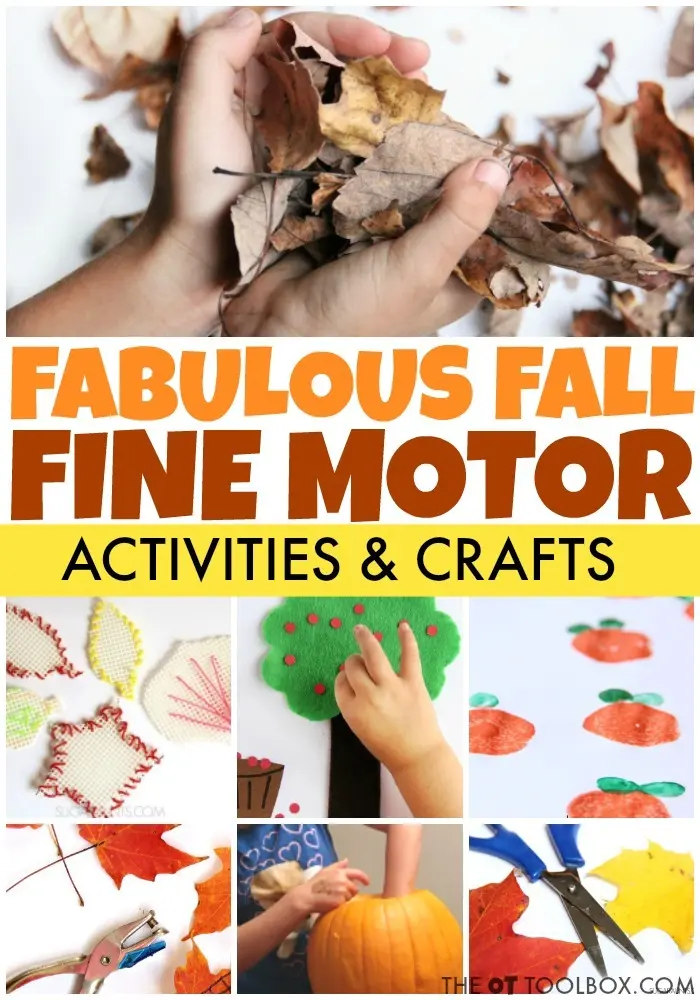
As the crisp air of autumn arrives and leaves begin to change color, educators, parents, and occupational therapists are embracing seasonal themes to support children’s fundamental developmental milestones. Rather than choosing fall crafts and activities simply for their festive appeal, professionals are leveraging items like apples, pumpkins, leaves, and acorns to target specific fine motor needs, hand strength, and visual-motor integration.
The shift toward seasonal play-based therapy highlights a growing emphasis on practical, engaging tools that address core developmental challenges without feeling like clinical work. From toddlers mastering basic grasping patterns to older students refining their handwriting endurance, autumn materials offer a versatile medium for pediatric occupational therapy and early childhood education.
Targeting Hand Strength Through Seasonal Play
Developing adequate hand strength is a critical precursor to academic and daily living tasks, such as writing, using utensils, and managing clothing fasteners. Experts note that activities incorporating resistance can significantly enhance the intrinsic muscles of the hand.
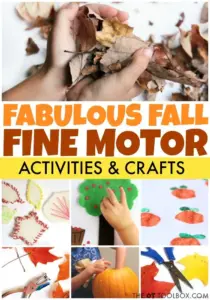
Among the resources utilized by occupational therapists are apple-themed geoboards, where children stretch rubber bands across pegs to recreate specific shapes. This motion provides necessary resistance for fingers and hands while demanding precision and controlled release. Similarly, traditional play dough—often enhanced with fall scents, mini leaves, or colored beads—allows children to roll, squeeze, pinch, and press. These actions stimulate the small muscles of the hands while offering tactile sensory challenges and proprioceptive feedback.
Hole-punching activities using themed paper cutouts of apples or fall leaves also provide an effective workout for the gross grasp and sustained hand force required for daily tasks. Operating a standard hole punch while positioning the tool around an edge engages both hand strength and visual-motor coordination simultaneously.
Fostering Manual Dexterity and Precision
Manual dexterity involves using the fingers efficiently for small, precise movements, combining speed, precision, and hand strength. During the autumn months, educators and therapists frequently utilize seasonal manipulatives such as craft pom poms, seeds, mini erasers, and paper clips to encourage finger isolation and coordination.
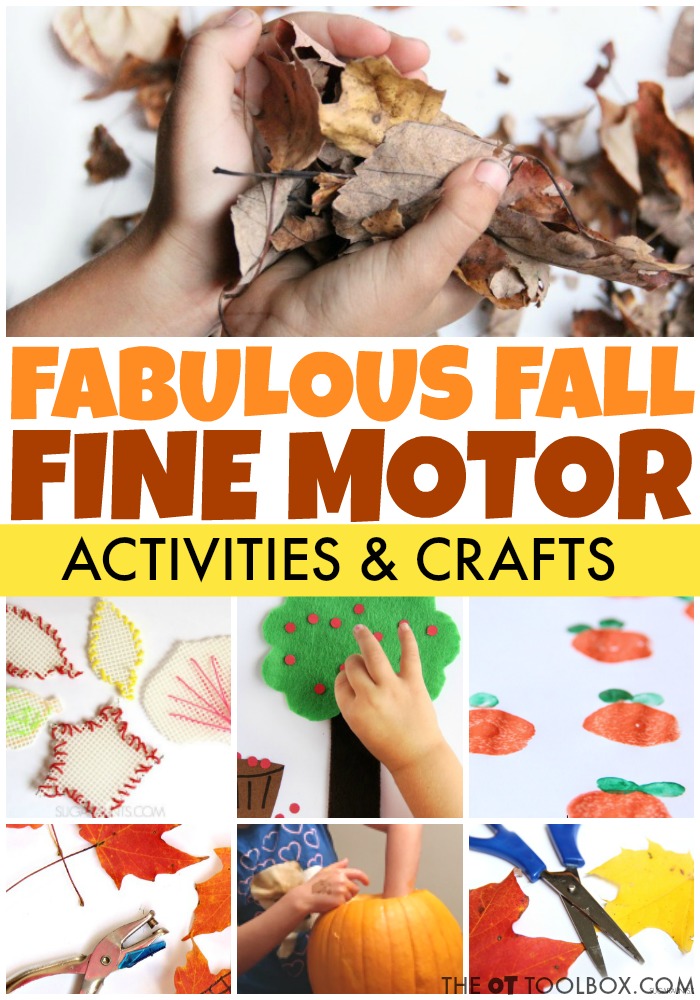
Activities involving apple counting cards and paper clips encourage children to open and position small metal clips using precise fingertip movements. This often fosters bilateral hand use as one hand stabilizes the card while the other manipulates the fastener. Similarly, transferring fall-colored pom poms using tongs or tweezers into small containers helps refine the pincer grasp and graded control of force.
Geoboards featuring tree designs also challenge children to use their fingertips rather than their entire hands to grasp, stretch, reposition, and release rubber bands around individual pegs.
Scissor Skills and Cut-and-Paste Coordination
Cutting with scissors remains a complex milestone that requires the cutting hand and the helper hand to perform distinctly different tasks simultaneously. While one hand opens and closes the scissors, the stabilizing hand must rotate and guide the paper along a visual path.
Autumn-themed cutting practice pages, which feature apple shapes or lines to follow, allow children to practice these mechanics in a structured format. Beyond paper, educators have introduced activities where children cut real fall foliage into small pieces or snip around leaf edges, combining sensory exploration with cutting practice.
Farm-themed and seasonal cut-and-paste crafts elevate these demands further by requiring children to cut out elements, visually determine where they belong, orient them correctly, follow an assembly sequence, and glue them into position. This multi-step process addresses executive functioning, direction-following, and visual-spatial skills alongside traditional scissor mechanics.
Integrating Visual-Motor Skills and Handwriting
Fine motor tasks frequently rely on a robust visual-motor foundation, requiring children to coordinate what they see with how their hands move. Even children with adequate hand strength and dexterity can sometimes struggle when a task requires them to copy a design, follow a line, or navigate a structured page.
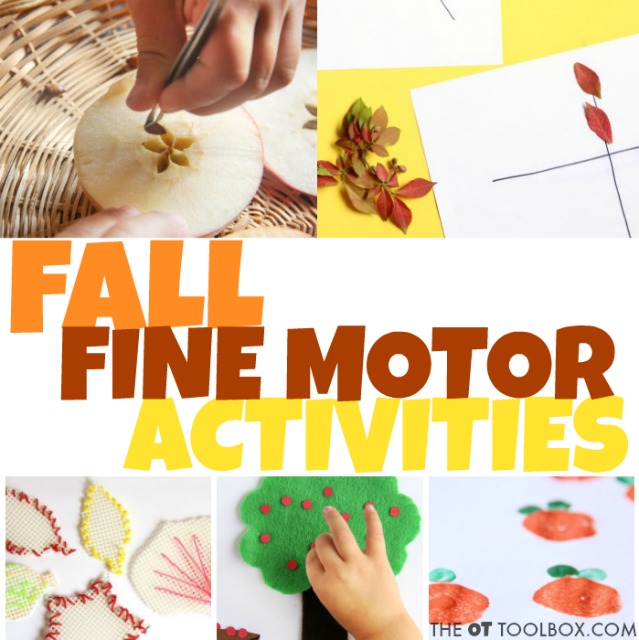
Fall directed drawing activities address this by prompting children to reproduce seasonal shapes such as acorns, leaves, and pumpkins, requiring them to determine where lines begin and end while maintaining spatial relationships. Pattern block designs and seek-and-find visual scanning sheets further reinforce visual discrimination, spatial awareness, and sustained visual attention.
For writing development, structured writing prompts allow students to practice handwriting within a meaningful context rather than writing isolated letters. Depending on a child’s developmental stage, these prompts can be adapted to target line awareness, spacing, letter size, formation, or writing endurance, accommodating emerging writers up to older students planning full paragraphs.
No-Prep Options and Professional Resources
Professionals emphasize that structured curricula are not always necessary to achieve developmental goals; everyday household items and natural outdoor elements can serve as effective therapeutic tools. Gathered leaves can be torn, crumpled, punched, cut, sorted, or strung, while acorns and pumpkin seeds can be scooped, counted, and transferred to build pincer strength and precision.
For clinicians and educators seeking ready-to-use materials, comprehensive collections like The OT Toolbox Membership provide structured resources designed to address fine motor skills, hand strength, scissor mechanics, and sensory processing without requiring extensive preparation time. By integrating these seasonal strategies into daily routines, adults can help children build the physical foundation necessary for lifelong learning and independence.