




When we think of modern robotics, we usually picture rigid, heavy-duty machines confined to structured factory floors. These conventional systems require exhaustive, painstaking programming, massive datasets, and meticulously controlled environments in order to function properly. If a single variable is out
of place or an unexpected obstacle appears, the traditional robot typically fails, halting operations until human intervention resets the parameters.
Yet, a fundamental question continues to drive forward-thinking engineers: What if robots could learn the way living creatures do?

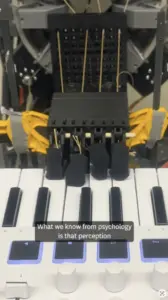
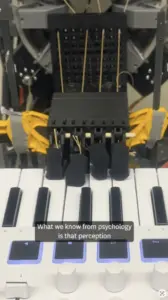
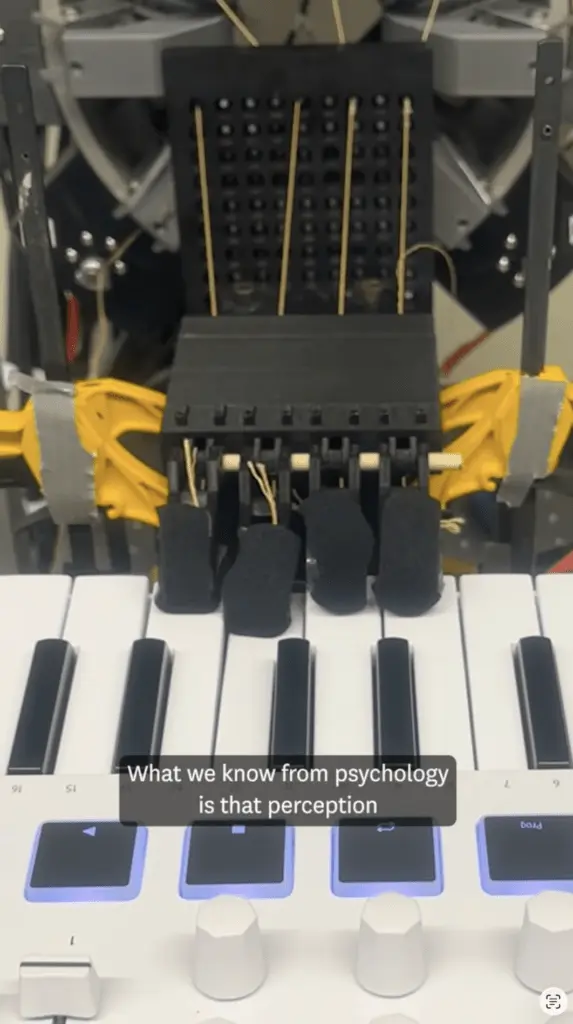
In a recent and significant breakthrough from the USC Viterbi School of Engineering, researchers have answered that question by building an innovative robotic system known simply as the "Musician Hand." This remarkably simple, tendon-driven robot has achieved something extraordinary in the realm of machine learning and dexterity. After merely listening to an unfamiliar 30-note musical melody, the robotic hand played the sequence back flawlessly on an electronic piano on its very first attempt.
This feat was accomplished without weeks of rigorous training, without pre-programmed sheet music, and without the backing of massive data training centers. Instead, the mechanism relied on just two minutes of self-taught practice to understand its own physical capabilities and successfully execute the performance.
While a piano-playing mechanical hand might initially strike observers as an impressive technological parlor trick, the broader implications for the future of assistive technology are profound. This pioneering research offers concrete proof that modern machines can successfully learn from brief, real-world experiences and dynamically adapt to unpredictable, fluid environments. In doing so, it opens the door wide to a new era of highly personalized, responsive assistive devices that could radically improve quality of life for individuals with physical or cognitive challenges.
How the Musician Hand Works: The Perception-Action Loop
The core magic behind the successful performance of the Musician Hand lies in a fundamental biological concept known as the "perception-action loop." Rather than being hardcoded or specifically programmed to play a designated song, the robot was engineered to teach itself how its own physical body functions in real time.
Living organisms do not rely on pre-written instructions to move their limbs; instead, humans and animals explore their physical environment through movement, sensing the feedback from their muscles and joints to build an internal model of how to interact with the world. The USC Viterbi researchers applied this exact biological paradigm to the Musician Hand. During its brief two-minute learning phase, the tendon-driven fingers engaged in a process of active exploration, effectively "babbling" through motion to understand the tension, reach, and response of its mechanical components against the piano keys.
By continuously observing the outcomes of its own movements and correlating that sensory feedback with auditory inputs, the robot developed an immediate, intuitive comprehension of how to translate sound and touch into coordinated physical action. This self-supervised discovery model bypasses the traditional computational bottlenecks that have long slowed down robotic development.
Revolutionizing Physical Assistive Tech
For years, the advancement of artificial intelligence and robotics has been heavily dependent on massive computational infrastructure. Traditional AI models often require megawatts of power and years of accumulated data just to operate self-driving vehicles or manage complex robotic arms. In stark contrast, the Musician Hand achieved its complex musical task using incredibly efficient, low-power computing hardware—specifically, a standard, everyday laptop.
Because this newly demonstrated "perceptual robotics" model is exceptionally efficient and inherently adaptable, it holds massive potential for transforming the landscape of physical assistive technology. Traditional prosthetic limbs and robotic braces often require tedious, prolonged calibration periods, and they frequently struggle when users encounter novel physical environments or unexpected tasks.
By applying the principles behind the Musician Hand, future physical assistive devices could calibrate themselves automatically to a specific user within minutes. These advanced prosthetics or exoskeletons could learn the unique movement patterns, strengths, and nuances of an individual’s body organically, adapting on the fly to uneven terrain, shifting objects, or changing physical needs without requiring manual reprogramming by a technician. The technology heralds a shift toward devices that harmonize effortlessly with human biology rather than forcing the user to conform to the rigid operational limits of the machine.
Beyond the Physical: Abstract and Cognitive Applications
The true significance of this research extends far beyond mechanical hands, prosthetics, and physical mobility aids. The underlying conceptual framework—utilizing efficient, real-time perception to instantly adapt to a human user—has the capacity to radically transform how software engineers design digital learning tools, adaptive user interfaces, and cognitive support systems.
As digital environments and assistive software become more deeply integrated into daily life, the demand for systems that understand individual cognitive workflows is higher than ever. Traditional software often presents a steep learning curve, requiring users to adapt to rigid menus, fixed navigation structures, and standardized accessibility settings.
By harnessing the principles of rapid perceptual adaptation demonstrated by the USC Viterbi researchers, future cognitive aids and assistive software could observe a user’s interaction patterns in real time and automatically tailor themselves to meet individual needs. Whether assisting individuals with neurodivergence, visual impairments, or age-related cognitive shifts, these intelligent systems could dynamically restructure their interfaces, pacing, and support mechanisms based on brief, initial interactions. This ensures that digital tools serve the user intuitively, reducing frustration and lowering barriers to digital accessibility.
The Future is Adaptable
For decades, the prevailing approach across the fields of robotics and artificial intelligence has been to place the burden of adaptation on the human, forcing people to adjust their behaviors, workflows, and expectations to fit the strict limitations of the machine. The successful demonstration of the Musician Hand firmly proves that the technological landscape is entering a transformative new era where the machine can quickly, efficiently, and intuitively adapt to the human.
By successfully shifting away from rigid, predetermined programming and moving toward dynamic perceptual learning, the next generation of assistive technology will transcend the definition of mere tools that people use. Instead, they will operate as truly intelligent systems that possess a fundamental understanding of how human beings move, learn, and live within an unpredictable world.
As researchers continue to build upon these foundational insights, the boundary between human intuition and machine responsiveness continues to blur, pointing toward a future where technology meets every individual precisely where they are.