









Eating peanuts every day may offer surprising and significant benefits for the aging brain, according to new research emerging from the Maastricht University Medical Center in the Netherlands. A team of scientists from the Institute of Nutrition and Translational Research in Metabolism (NUTRIM) has discovered that the regular consumption of unsalted, skin-roasted peanuts can substantially improve how specific regions of the brain respond to insulin in older adults. These findings, which shed new light on the intersection of nutrition and neurology, were recently published in the peer-reviewed journal Food & Function.
While insulin is most commonly associated with its role in regulating blood sugar levels and managing metabolism, it serves a much more complex function within the human brain. Insulin is an essential hormone for the maintenance of nerve cells, playing a critical role in their growth, survival, and ability to communicate effectively with one another. This signaling process is vital for supporting cognitive functions, including memory and learning. Furthermore, researchers believe that maintaining healthy insulin signaling may act as a protective barrier against the neurological degradation often associated with conditions such as Alzheimer’s disease.
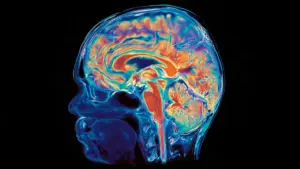
The study, which spanned 16 weeks, observed a group of healthy adults aged 60 to 75. After incorporating a daily serving of peanuts into their diets, participants showed marked improvements in insulin responsiveness across a distinct group of brain regions located in the right hemisphere. These areas, which include the lingual gyrus, the hippocampus, the parahippocampal gyrus, and the posterior cingulate gyrus, are recognized as key centers for memory-related processes. The improvement suggests that dietary interventions could be a non-invasive, accessible strategy for supporting cognitive health as the population ages.

Dr. Peter Joris, the study’s senior author and an associate professor in the Department of Nutrition and Movement Sciences at NUTRIM, emphasizes the importance of these results. "The hormone insulin plays an important role in the brain, where it supports memory and other cognitive processes. As people age, the brain may become less responsive to insulin, which has been linked to age-related cognitive decline," Dr. Joris explained. "Our study found that daily peanut consumption beneficially affected insulin responsiveness in memory-related brain regions in older adults. These findings suggest that enhanced regional brain insulin responsiveness may contribute to the cognitive benefits of unsalted, skin-roasted peanut intake."
Daily Peanuts Linked to Better Memory and Brain Blood Flow
The investigation involved 31 healthy adults who participated in a randomized, controlled crossover trial. This methodology is considered a gold standard in nutritional research because it allows scientists to compare the physiological effects of an intervention—in this case, peanut consumption—against the effects of avoiding the food entirely within the same individuals. During the intervention phase, participants were tasked with consuming 60 grams of peanuts, or approximately two servings, every single day for the duration of the 16-week study.
These new findings serve as a significant extension of earlier research conducted by Dr. Joris and his team, which was published in 2025. That preceding investigation established a clear link between peanut consumption and improved vascular health in the brain. Specifically, the earlier study found that a 16-week regimen of daily peanut intake increased overall cerebral blood flow (CBF) by 3.6% and resulted in a 5.8% improvement in verbal memory performance.
Cerebral blood flow is a critical metric for neurologists, as it measures the volume of blood circulating through the brain, ensuring that oxygen and essential nutrients are delivered to brain cells to maintain optimal function. Fluctuations or decreases in this flow are often used as clinical indicators of the health of the brain’s blood vessels. By demonstrating that peanuts can positively influence both blood flow and insulin sensitivity, the researchers are building a robust case for the role of this humble legume in geriatric cognitive health. These earlier findings were detailed in the peer-reviewed journal Clinical Nutrition, further solidifying the team’s ongoing contributions to the field.
How Scientists Measured the Effects of Peanuts on the Brain
A distinguishing feature of the research conducted at NUTRIM is the integration of long-term dietary intervention with high-resolution, sophisticated brain imaging technology. To track the physiological changes occurring within the brains of the participants, the researchers utilized arterial spin labeling magnetic resonance imaging (ASL-MRI). This non-invasive technique allows for the precise measurement of blood flow in different regions of the brain. By administering insulin through the nose, the researchers were able to observe how various brain regions responded to the hormone, thereby quantifying regional insulin sensitivity.
Beyond neurological imaging, the team also conducted abdominal MRI scans to monitor fat accumulation in the liver, known as intrahepatic lipid (IHL) content, ensuring they had a comprehensive view of the participants’ metabolic health. Cognitive performance was systematically evaluated using the Cambridge Neuropsychological Test Automated Battery (CANTAB), a widely respected, standardized, and computerized testing suite designed to measure memory, attention, and executive function.
When considering why peanuts might exert such a positive influence on the brain, the researchers caution against focusing on a single "magic bullet" nutrient. Instead, they believe the benefits are likely the result of a synergistic effect provided by the complex profile of compounds found in peanuts.
"Multiple nutrients present in peanuts, including unsaturated fats, dietary fiber, vitamins and minerals and bioactive phytochemicals, could potentially contribute to the observed brain benefits," Dr. Joris noted. He highlighted that peanuts are not only a dense source of plant-based protein but are also particularly rich in L-arginine. This amino acid is a key precursor to nitric oxide, a molecule that has been documented in scientific literature to facilitate improved learning and memory performance by helping to regulate vascular tone and blood flow.
What Participants Ate During the 16-Week Study
To ensure the integrity of the data and strict adherence to the dietary requirements, the research team provided participants with premeasured packets of skin-roasted peanuts. This approach eliminated guesswork and ensured that the nutritional intake remained consistent throughout the study period. While the researchers provided specific instructions regarding the daily quantity, they allowed for some flexibility in how the participants consumed the peanuts.
Participants were encouraged to consume their daily portion during the morning or afternoon, but the timing within those windows was left to their discretion. Some participants opted to eat the full 60-gram serving in one sitting, while others chose to divide the peanuts into smaller portions to be consumed alongside their regular meals throughout the day. During the control phase of the crossover trial, participants were instructed to avoid peanuts entirely, creating a clean baseline against which the researchers could compare the cognitive and metabolic data gathered during the intervention period.
The study was led by principal investigator Associate Professor Dr. Peter J. Joris, with the experimental work carried out by Ph.D. candidate Lucia Kerkhof. Both are part of the Department of Nutrition and Movement Sciences at the Maastricht University Medical Center. Financial support for the research was provided by The Peanut Institute Foundation. However, the researchers have clarified that the foundation played no role in the design of the study, the collection or analysis of the data, the interpretation of the results, or the drafting of the final manuscript, thereby maintaining the independent rigor of the scientific investigation.
As the population continues to age, finding accessible, dietary-based interventions to support brain health has become a priority for public health officials and researchers alike. By linking a common, nutrient-dense food like peanuts to improved insulin responsiveness and enhanced blood flow, the NUTRIM team has opened new avenues for future research into how simple, daily habits might help protect the aging brain against cognitive decline.