





The World Health Organization (WHO) has released a comprehensive new set of guidelines aimed at helping health workers around the globe detect iron deficiency early through the precise measurement of ferritin concentrations. This vital public health initiative is designed to address a persistent global nutritional challenge, offering clinicians and policymakers the diagnostic clarity needed to prevent severe developmental delays in children, support healthy pregnancies, and combat widespread anemia on both an individual and population level.
Detecting iron deficiency during the earliest stages of pregnancy and in young children is a critical medical priority. According to the WHO, iron deficiency in children under two years of age can trigger significant and irreversible effects on brain development. These early deficits can cast a long shadow over a child’s future, leading to negative consequences on learning capacity and academic performance later in life. Furthermore, a mother’s iron deficiency during her final trimester of pregnancy can directly impair the cognitive development of her child. The newly released guidelines, titled World Health Organization guidelines on the use of ferritin concentrations to assess iron status in individuals and populations, provide healthcare professionals with the essential tools required to identify these deficiencies early and intervene before irreversible damage occurs.
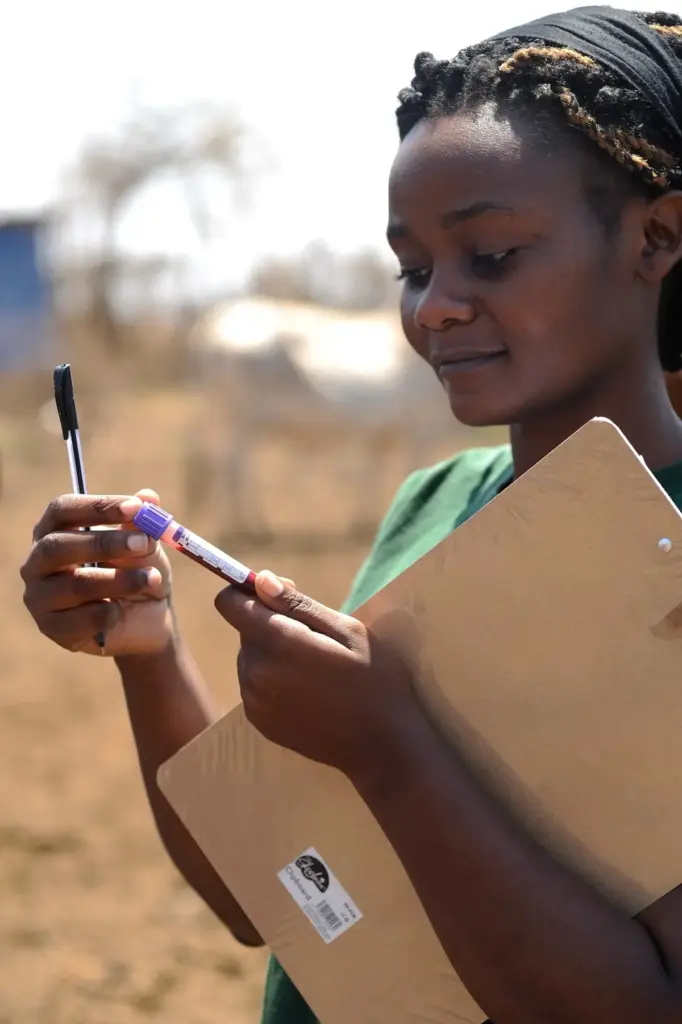
At the heart of the new guidelines is detailed instruction on how best to measure ferritin, a crucial protein that serves as an accurate indicator of the body’s iron stores. Ferritin can be found circulating in small amounts within a person’s blood supply. When an individual is suffering from a lack of iron, ferritin levels drop correspondingly. Conversely, when a person experiences iron overload, ferritin concentrations rise significantly. By obtaining accurate measurements of this vital protein—when combined with comprehensive clinical and laboratory evaluations—medical practitioners can guide appropriate medical and nutritional interventions for individual patients while public health officials can shape broader strategies at a population level.
Dr. Francesco Branca, Director of the Department of Nutrition and Food Safety at the WHO, emphasized the sheer scale of the ongoing challenge. Reducing anemia remains a fundamental component of the organization’s broader efforts to eradicate all forms of malnutrition worldwide. Despite decades of public health initiatives, progress has been notably limited. Globally, an estimated 614 million women and 280 million children continue to suffer from anemia.
Dr. Branca noted that iron deficiency serves as a major determinant of anemia. Consequently, measuring ferritin as a key biomarker of iron metabolism will allow public health agencies to much more effectively target and evaluate their actions in the ongoing fight against anemia.
Iron is an essential biological element that performs a wide array of vital functions within the human body. Among its primary responsibilities are facilitating oxygen transport, supporting DNA synthesis, and enabling proper muscle metabolism. Despite its fundamental importance, iron deficiency remains the leading cause of anemia, which stands as the most prevalent nutritional deficiency in the world today. Current global data indicates that anemia affects approximately 33 percent of non-pregnant women, 40 percent of pregnant women, and an alarming 42 percent of children worldwide.
In adult populations, the ramifications of iron deficiency extend far beyond basic fatigue. Individuals suffering from low iron levels frequently experience impaired physical performance, decreased daily work productivity, and diminished participation in social activities. The onset of iron deficiency typically occurs during distinct life phases characterized by rapid bodily growth and high metabolic demand. These vulnerable windows include early childhood, adolescence, and pregnancy, though iron deficiencies can manifest at virtually any stage of life.
For expectant mothers, the stakes are particularly high. Iron deficiency during pregnancy frequently causes clinical anemia, which is further associated with reduced birth weights and shortened gestation periods, posing immediate risks to both maternal and infant health.
Beyond addressing deficiencies, the new WHO guidelines also establish protocols for the early detection of iron overload. Iron overload, which involves the dangerous accumulation of excess iron within body tissues, is generally the result of underlying genetic disorders such as hereditary haemochromatosis, medical conditions like thalassaemia, the necessity of repeated blood transfusions, or other pathologies that disrupt normal iron absorption and regulation. If left undetected and untreated, iron overload can lead to severe deterioration in a person’s overall health, making early clinical identification vital.
Gaining improved knowledge regarding the prevalence and geographical distribution of iron deficiency—as well as assessing the localized risk of iron overload within a given population—empowers national governments to make informed decisions regarding appropriate health interventions. Furthermore, accurate data allows countries to effectively monitor and evaluate the impact and safety of their public health programming over time.
This contextual precision is especially important because nutritional iron deficiency frequently overlaps with populations that also bear high burdens of infectious diseases. The adequate and accurate evaluation of iron status in nations grappling with infectious disorders enables public health authorities to put in place nuanced, effective health policies tailored to complex local realities.
Ultimately, the newly published WHO guidelines are intended to assist WHO Member States and their international partners in making evidence-informed decisions. By supporting appropriate clinical and policy actions, the organization hopes to systematically lower the prevalence of iron deficiency and tangibly improve the health, well-being, and overall quality of life for individuals and populations worldwide.
For interviews with WHO technical experts, media representatives may contact Pippa Haughton via email at [email protected] or by telephone at +41794466331. To access a full copy of the newly released guidelines, interested parties can visit the official World Health Organization publications portal.