







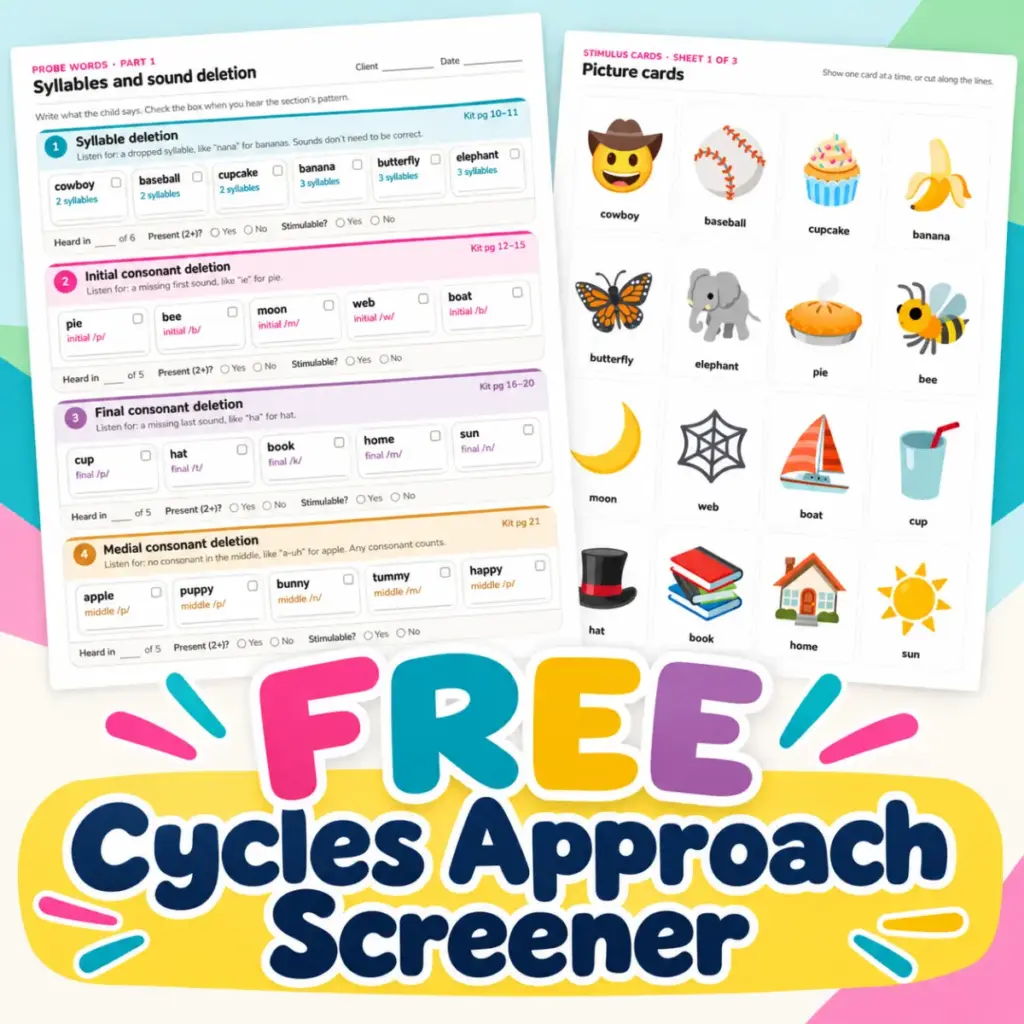
For thousands of speech-language pathologists (SLPs) across the country, the daily reality of clinical practice often involves a fragmented workflow. Between balancing high caseloads, meeting stringent documentation requirements, and addressing the diverse needs of pediatric clients, clinicians frequently find themselves spending hours stitching together disparate resources. Often sourcing materials from individual digital marketplaces like Teachers Pay Teachers, these professionals have long sought a more cohesive, evidence-based approach to intervention. In response to these industry-wide challenges, the team at Speech and Language Kids (SLK) is intensifying its efforts to modernize the profession, announcing a continued expansion of its structured, step-by-step curriculum designed to streamline therapy and enhance patient outcomes.
The core mission behind the SLK Curriculum is to replace the "piecemeal" approach to therapy with a unified, professional framework. By providing clinicians with comprehensive, pre-organized therapy plans, the organization aims to reduce the administrative and preparatory burden that leads to burnout in the speech-language pathology field. According to the organization, the goal is to make the process of teaching communication skills not only more efficient but fundamentally more effective for both the therapist and the child.
The shift toward structured programming represents a broader trend within allied health, where the demand for standardized yet adaptable clinical pathways has never been higher. For many SLPs, the transition from relying on independent, isolated worksheets to utilizing a holistic curriculum signifies a change in professional identity. Rather than acting as individual content creators who must hunt for the perfect activity for every goal, clinicians using the SLK model are positioned as facilitators of a proven, systematic process. This shift allows for more consistent progress tracking and ensures that therapeutic goals are addressed with a logical, developmental progression that is often lost when therapy is planned in a disjointed manner.

The impact of this approach is already visible across the community of clinicians who have adopted the SLK methodology. By fostering an environment where SLPs feel supported by a shared infrastructure, the organization has seen a tangible increase in professional satisfaction. The feedback from the field suggests that when clinicians are provided with a clear roadmap, their ability to focus on the interpersonal aspects of therapy—the connection with the child and the nuances of clinical judgment—is significantly improved. This, in turn, translates to a more positive experience for the children and families receiving services.
The organization’s commitment to this evolution is rooted in the belief that the current educational and clinical landscape for speech-language pathology is ready for a digital-first, integrated overhaul. As the landscape of pediatric therapy continues to evolve—influenced by changing educational standards, advancements in teletherapy, and a greater emphasis on neurodiversity-affirming practices—the need for flexible, high-quality curriculum resources has become a critical focal point. Speech and Language Kids has positioned itself at the forefront of this movement, emphasizing that their programs are not static, but rather living systems that are constantly updated to reflect the latest insights in communication development.
Looking toward the future, the team at Speech and Language Kids has made it clear that their work is far from finished. The announcement serves as both a reflection on their current successes and a forward-looking statement regarding their long-term vision. By continuing to innovate and build new programs, the organization is attempting to address the evolving needs of their customers, who are themselves navigating a rapidly changing professional environment. Whether it is through expanding the scope of their existing curricula or introducing new digital tools to facilitate therapy sessions, the focus remains on the ultimate beneficiary: the child.
This ongoing innovation is driven by a feedback loop between the creators of the curriculum and the practitioners in the field. By maintaining a supportive community of SLPs, the organization can identify the specific pain points that therapists face on a daily basis. This real-world data informs the development of new content, ensuring that every addition to the curriculum serves a practical, clinical purpose rather than simply adding to the volume of available resources. The intent is to provide a curated, high-impact experience that respects the limited time and energy of the clinician while maximizing the potential for student success.
The invitation to join this movement is an appeal to the collective desire for a better way to work. As the field of speech-language pathology faces increasing pressures, the movement toward centralized, structured curricula is seen by many as a vital step in preserving the long-term health of the profession. By moving away from the need to search for, print, and organize individual activities from multiple sources, SLPs are reclaiming their time. This efficiency gain is not just a logistical improvement; it is a professional necessity that allows clinicians to focus on the human element of their work, which is the cornerstone of effective speech and language intervention.
The organization’s focus remains steadfast on the belief that the future of speech-language pathology will be defined by the quality of the systems and supports available to clinicians. As they build out the next generation of their programs, the leadership at Speech and Language Kids is encouraging a broader conversation about what the profession needs to thrive in the modern age. This includes a shift toward programs that are inherently collaborative, evidence-based, and designed to support the practitioner through every stage of the therapy process, from initial evaluation to goal achievement.
As the industry continues to monitor these developments, the message from the organization is clear: the challenges faced by SLPs—often stemming from a lack of resources, time, and administrative support—are solvable through innovation and community. By providing the tools necessary for clinicians to deliver high-quality, structured care, Speech and Language Kids aims to ensure that the profession remains rewarding, sustainable, and highly effective. The expansion of their curriculum is the next phase in this ongoing mission, as they continue to refine the way speech and language therapy is delivered, understood, and practiced in communities around the world. The organization’s commitment to this future reflects a deep investment in the success of the clinicians they serve and the children whose communication skills they are helping to develop.