






For most expectant parents, the months leading up to a new arrival are defined by meticulous preparation. Between painting nurseries, packing hospital bags, and finalizing a comprehensive birth plan, the focus is almost exclusively on the high-stakes event of labor and delivery. However, clinical psychologists and maternal health experts are increasingly arguing that this hyper-focus on the birth process leaves a significant void in parental preparation. While the birth plan addresses the arrival, it often fails to account for the complex, often overwhelming transition into the weeks and months that follow.
Postpartum depression and anxiety remain among the most significant health challenges facing new caregivers. These conditions do not merely affect the parent; they ripple outward, influencing family dynamics, parental well-being, and the developmental environment for the infant. Recognizing this, professionals in the field are advocating for the adoption of a "postpartum prevention plan"—a structured approach to daily life designed to bolster mental health and emotional resilience during the high-pressure postpartum period. By identifying the specific needs, social relationships, and daily activities that support long-term well-being, families can create a protective buffer that benefits both the caregiver and the child.
To simplify this transition, a research-backed mnemonic has emerged as a practical framework for new families: Time Outside, Exercise, and Socialize. These three pillars provide a foundational structure that can help transform a period often characterized by exhaustion and isolation into one that is sustainable, healthy, and occasionally even joyful.

The Power of Nature and Novelty
The first pillar of this preventative strategy is perhaps the most simple yet frequently overlooked: Time Outside. There is a persistent, outdated myth that newborns should be kept indoors, shielded from the world for weeks on end. Medical experts have largely dispelled this, noting that fresh air and a change of scenery are highly beneficial for both the infant and the caregiver.
Research underscores the psychological utility of stepping away from the domestic sphere. A 2023 study by Hall et al. found that mothers who spend time in nature report significantly higher levels of emotional regulation, optimism, and resilience. Nature acts as a natural reset button, offering relief from the specific stressors of indoor life, such as mounting chores, sleep deprivation, and the repetitive nature of infant care. When a parent steps outside, they are often rewarded with a shift in perspective.
Even in urban environments where "nature" might be limited, the act of leaving the house serves a vital purpose. Whether it is a trip to a local coffee shop, a museum visit, or a lunch outing, the introduction of novelty and sensory stimulation can break the monotony of a daily routine. This variation is a potent tool for perking up a difficult day. By intentionally planning to leave the house at least once every day, caregivers can interrupt the cycle of isolation that often feeds postpartum anxiety.
The Role of Physical Movement
The second component of the postpartum plan is intentional exercise. While the physical demands of caring for a newborn are substantial, they rarely count as the type of restorative movement necessary for mental health. Incorporating a dedicated, moderate exercise routine—even if it is just a daily walk—has been shown to have a measurable impact on maternal mental health.
Recent academic scrutiny has validated the efficacy of physical activity as a standalone intervention. A comprehensive 2025 meta-analysis by Deprato et al., published in the British Journal of Sports Medicine, reviewed a wide array of studies and concluded that exercise alone is an effective intervention for reducing symptoms of postpartum depression and anxiety. The data suggests that at least 80 minutes per week of rigorous activity—such as brisk walking, swimming, or cycling—can produce a moderate but significant reduction in symptom severity.
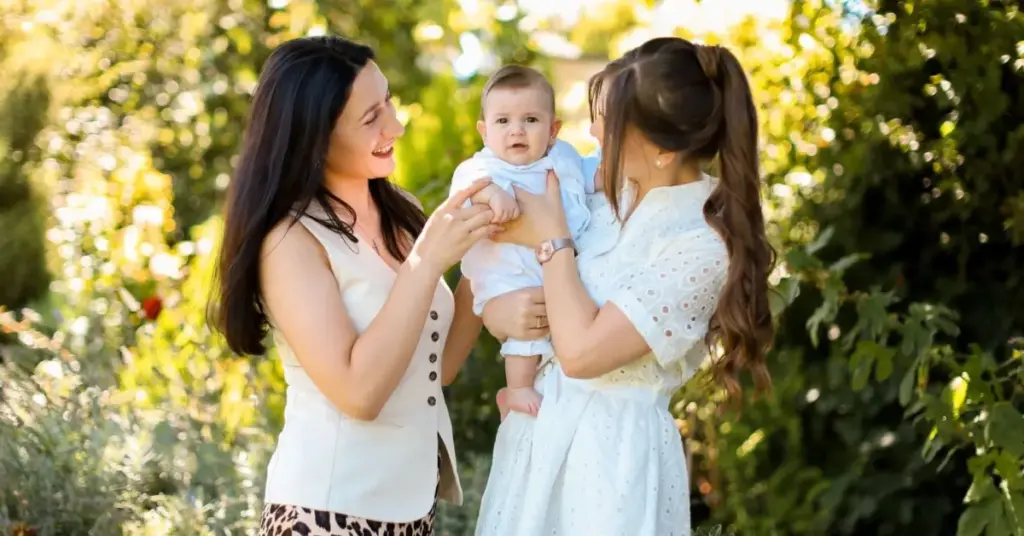
For many new parents, the barrier to entry is logistical. The solution lies in integration. By utilizing a baby carrier or a stroller, parents can incorporate their infant into their fitness routine. This removes the "either-or" tension between self-care and childcare. When a parent secures their child in a carrier and heads out for a brisk walk, they are checking two boxes: they are engaging in physical activity to improve their own mental state, and they are providing their child with the benefits of outdoor stimulation.
The Necessity of Social Connection
The third, and perhaps most critical, pillar is socialization. The transition to parenthood is often marked by an abrupt reduction in social contact, which can exacerbate feelings of loneliness and inadequacy. Research by Feinberg et al. (2022) identified social support as a powerful protective factor against the onset of postpartum mental health challenges.
Socialization does not need to be a formal or high-effort endeavor. It can be as simple as inviting a friend or family member over for a visit or meeting a peer for a walk. For those seeking a more structured environment, attending baby-friendly gatherings—such as story time, music groups, or postnatal yoga—provides a twofold benefit. It gets the parent and child out of the house while simultaneously embedding them in a community of peers who are experiencing similar life stages.
The impact of this support is magnified for those at higher risk, such as parents who have experienced pregnancy loss, those managing more than one child, or individuals with a history of mental health struggles. In these cases, the presence of a social network acts as a safety net, providing not just emotional support but also practical help that can prevent minor stressors from escalating into clinical concerns.
Integrating the Plan and Seeking Support
It is important to recognize that these three pillars are not mutually exclusive. In fact, they are most effective when they overlap. A long walk with a friend, held in a local park, satisfies all three requirements simultaneously: it is a form of exercise, it provides time outside, and it fosters vital social connection.
However, even the most well-intentioned plan can meet resistance. There are days when the logistics of leaving the house with an infant feel insurmountable. In these moments, it is crucial for caregivers to lean on their support systems. Asking others for help—whether it is a partner, a grandparent, or a friend—is not a sign of failure, but a strategic necessity. If the burden of these daily practices becomes too heavy to carry alone, it is vital to acknowledge that help is a necessary resource.
Crucially, while these lifestyle changes are effective preventative measures, they are not a substitute for professional care in the face of severe illness. If consistent implementation of these activities fails to alleviate symptoms, or if a caregiver feels overwhelmed by their mental state, reaching out to a medical or mental health professional is essential. Severe cases of postpartum depression and anxiety may be resistant to lifestyle interventions alone, but they remain highly treatable with professional medical support.
Resources are available for those struggling to navigate these difficult waters. The National Maternal Mental Health Hotline can be reached at 1-833-852-6262, and Postpartum Support International offers specialized resources at 1-800-944-4773. Furthermore, those seeking ongoing therapeutic support can utilize the Psychology Today Therapy Directory to connect with qualified professionals. By planning for the realities of the postpartum period with the same diligence applied to the birth itself, families can build a stronger, healthier foundation for the journey of parenthood.