








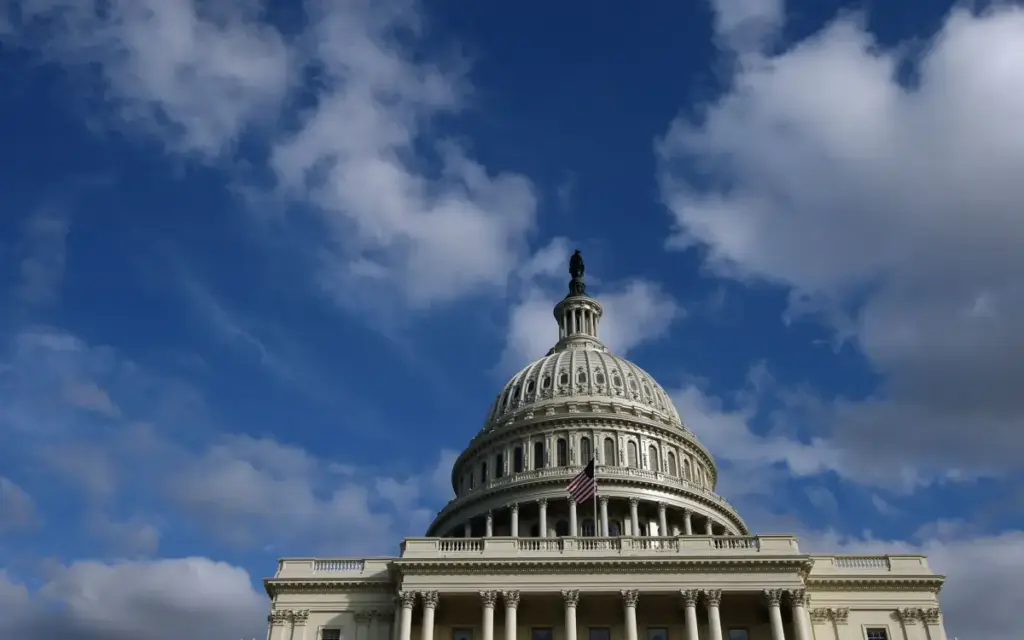
WASHINGTON — With Democrats set to take control of both houses of Congress following recent election outcomes, the political landscape in Washington is shifting significantly, providing lawmakers with powerful new legislative and oversight tools. For advocates and organizations representing individuals with disabilities, this shift in the balance of power on Capitol Hill introduces a critical opportunity to push back against and potentially alter sweeping policy changes enacted during the Trump administration that have directly impacted Medicaid, special education, and foundational civil rights protections.
Disability rights leaders and policy experts point out that the incoming Democratic majorities in the House and Senate will possess the essential constitutional and procedural authority required to conduct rigorous oversight hearings, summon agency officials, and heavily influence federal appropriations and spending bills. These legislative mechanisms offer a direct avenue to challenge executive branch actions that have gone largely unchecked for nearly two years.
“For almost two years, disabled people have taken hit after hit with little pushback from Capitol
Hill,” said Michelle Uteza, executive director of the Disability Rights Education & Defense Fund. “A Congress willing to use its oversight and spending power can slow that damage, demand answers and make agencies follow the laws Congress wrote.”
Since President Donald Trump took office, the disability community has faced a succession of major policy reversals and budgetary constraints. Lawmakers previously approved nearly $1 trillion in deep cuts to Medicaid, a program that serves as a critical lifeline for millions of individuals with disabilities by funding long-term care, medical treatments, and vital home- and community-based services. At the same time, administrative changes have rippled through the federal government. Staffers specializing in special education were abruptly moved out of the U.S. Department of Education as part of a broader structural reorganization, and the Department of Justice officially reversed its long-held legal position regarding the rights of people with disabilities to access services in integrated community settings rather than institutional facilities.
These actions have created widespread anxiety among families, educators, and advocacy organizations, who argue that hard-fought civil rights established over decades are being systematically dismantled.
“The election results offer renewed hope that we can reverse some of the serious threats facing people with disabilities, from devastating Medicaid cuts to the erosion of community living rights and protections for students with disabilities. We’re also hopeful Congress will move forward on legislation to end subminimum wages,” said Heather Sachs, policy and advocacy co-director at the National Down Syndrome Congress.
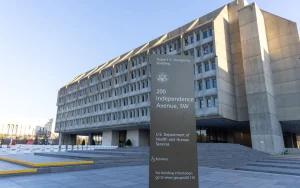
Among the primary targets for the incoming congressional majority is the Trump administration’s ongoing effort to systematically dismantle or downscale the U.S. Department of Education. Under the current administration, the agency has forged a series of interagency agreements aimed at delegating core educational responsibilities to other cabinet-level bodies. Notably, this past summer, the department struck a controversial deal to shift many of its federal special education responsibilities and oversight duties directly to the Department of Health and Human Services. Critics and education advocates have argued that fragmenting these services undermines federal accountability and threatens the specialized support systems that millions of students with disabilities rely upon to succeed in school.
In addition to challenging executive reorganization plans, congressional Democratic leaders have signaled an aggressive legislative agenda centered on fiscal and health policy. Representative Hakeem Jeffries of New York, who is poised to become the Speaker of the House, stated following the election results that his party would make it an immediate legislative priority to work toward reversing the nearly $1 trillion in Medicaid cuts approved by lawmakers last year.
However, political analysts and former government officials caution that legislative victories will not come easily, given the realities of divided governance at the federal level.
“Whether they will be successful will of course depend on whether President Trump vetoes those bills,” noted Alison Barkoff, a professor at George Washington University who previously led the federal Administration on Community Living during the Biden administration. Any legislative attempts to restore Medicaid funding or block executive agency restructuring would require overcoming potential presidential vetoes or negotiating compromises, keeping high-stakes political battles at the forefront of federal policymaking.
Beyond specific legislative fights over budgets and agency jurisdiction, advocates emphasize that the transition of congressional leadership carries profound symbolic and practical importance for restoring a broader, bipartisan consensus around disability rights. Historically, protections for individuals with disabilities have enjoyed broad, cross-party support, anchored by landmark legislation such as the Americans with Disabilities Act. Advocates argue that the current administration’s policies have marked a sharp and troubling departure from that cooperative history.
“Disability rights have long enjoyed bipartisan support, but the current administration has sharply diverged from that history, attacking rights as fundamental as the right of disabled people to live and receive services in their own homes and communities,” said Jennifer Mathis, deputy director at the Bazelon Center for Mental Health Law. “By all accounts, this election appears to have been a referendum on the current administration’s policies, so the results bode well for a return to support for these rights.”
As preparations begin for the new congressional session, disability organizations are gearing up to work closely with lawmakers on Capitol Hill. While the path forward involves navigating complex legislative hurdles and potential veto threats, advocates believe that the restored oversight powers of Congress will provide an essential forum to voice concerns, demand transparency, and protect the legal rights and well-being of individuals with disabilities nationwide.