








In classrooms, living rooms, and therapy clinics worldwide, educators, parents, and occupational therapists frequently encounter moments when children become restless, overwhelmed, or out of sync with their daily environments. Whether it is a sudden meltdown in a grocery store aisle, difficulty sitting still during a lesson, or trouble winding down for sleep, sensory dysregulation is a common hurdle in childhood development. According to occupational therapy experts, a powerful and accessible tool exists to help children navigate these challenging moments: heavy work activities.
Heavy work refers to any physical task that requires effort from the body’s muscles and joints, engaging the proprioceptive system through movements such as pushing, pulling, lifting, and jumping. Rather than being mere exercise, these activities provide essential resistance input that travels through the muscles, joints, and ligaments, sending organizing signals back to the brain. This continuous feedback loop helps calm an overactive nervous system, enhances body awareness, and equips children with the self-regulation skills needed to focus, participate, and learn.
What Is Heavy Work and How Does the Proprioceptive System Work?
The fundamental mechanism behind heavy work is proprioception, often referred to as the body’s internal awareness system. Receptors located within our muscles, joints, and ligaments constantly monitor physical positioning and movement, relaying vital messages back and forth to the brain. The brain interprets these signals to determine how much force a muscle needs to exert, allowing a child to handle delicate objects gently or lift heavier items with appropriate strength.

When a child engages in heavy work, the resistance encountered by the muscles acts as a universal and powerful regulator. Experts note that this targeted proprioceptive input can even out disturbances across other sensory systems. It can gently elevate energy levels when a child is sluggish or reduce high energy levels to help them reach a calm, comfortable space to interact with their surroundings. This foundational awareness allows children to understand where their bodies are in space and how to move safely and efficiently.

When and Where to Incorporate Heavy Work Strategies
The versatility of heavy work makes it exceptionally easy to integrate into daily routines at home, inside classrooms, or during clinical therapy sessions. Occupational therapists suggest that incorporating these activities proactively can significantly bolster a child’s sensory processing and emotional regulation over time.
Families often find success by introducing heavy work early in the morning before school to prepare the nervous system for learning, and again in the afternoon to help children transition smoothly from the school day to home life. Bedtime routines can also benefit from calming proprioceptive input, helping children unwind and prepare for restful sleep. In educational settings, teachers frequently utilize movement breaks and heavy sensory input at regular intervals to maintain student attention and engagement throughout the day.
Because every child has a unique sensory profile and personal preferences, the frequency and type of activities should be tailored to individual responses. Observing what children enjoy and how their bodies react helps caregivers identify the most effective strategies for fostering a calm and regulated state.
The Underlying Components of Heavy Work Actions
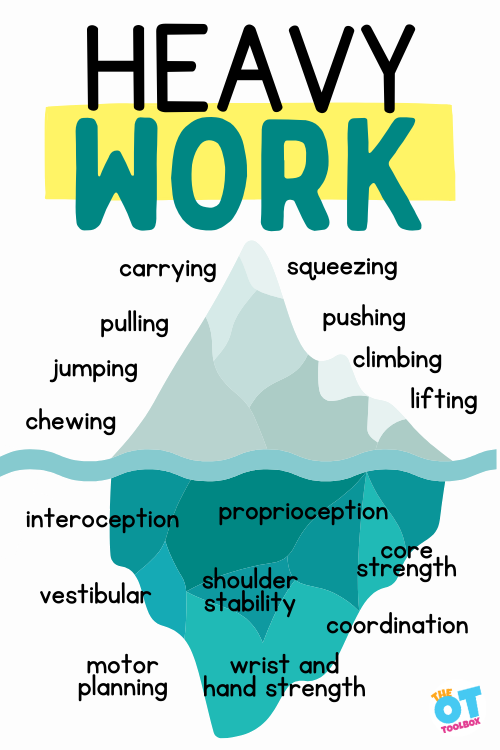
While observers easily notice visible heavy work actions—such as pushing a heavy basket, doing wall push-ups, or carrying books—a complex network of underlying physiological skills operates beneath the surface. These unseen components are essential for everyday functioning, motor planning, and body awareness.
The visible actions of pushing, pulling, lifting, and jumping rely heavily on core strength, proximal joint stability, and the coordinated engagement of large muscle groups in the upper and lower extremities. Conversely, these active movements reinforce the underlying neuromuscular pathways that make body awareness possible. This symbiotic relationship ensures that children develop the functional capacity required for both academic tasks and physical play.
Diverse Strategies for Daily Implementation
Heavy work can be categorized into several distinct movement types, allowing caregivers and educators to select activities that best match available space, resources, and individual preferences.

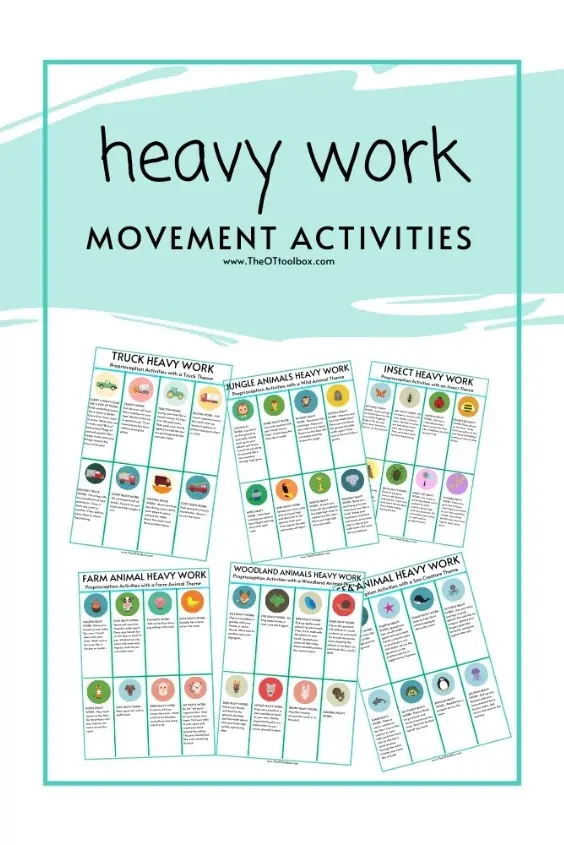
Pushing and pulling activities—such as moving a wagon, playing tug-of-war, or engaging in specific yoga poses—actively engage the core, shoulder girdle, and leg joints. Meanwhile, jumping activities like trampoline use, star jumps, and jumping jacks provide robust sensory input through the hips, knees, and ankles. Lifting strategies, whether carrying a weighted backpack, managing household laundry, or lifting body weight during exercise, offer similar organizing benefits.
Oral motor exercises involving heavy work through chewing and sucking provide direct input to the jaw, cheeks, tongue, and neck, serving as a particularly discreet and effective self-regulation tool for many children. Additional strategies range from animal walks like crab walks and bear crawls to climbing playground equipment, squeezing therapy putty, and using weighted blankets or compression garments during quiet periods.

Adapting Heavy Work for Summer Routines
As children transition from structured school environments to extended time at home during the summer months, maintaining consistent routines can become challenging. Disruptions in daily schedules often lead to increased screen time, which, while occasionally comforting, can sometimes exacerbate sensory dysregulation when relied upon continuously.
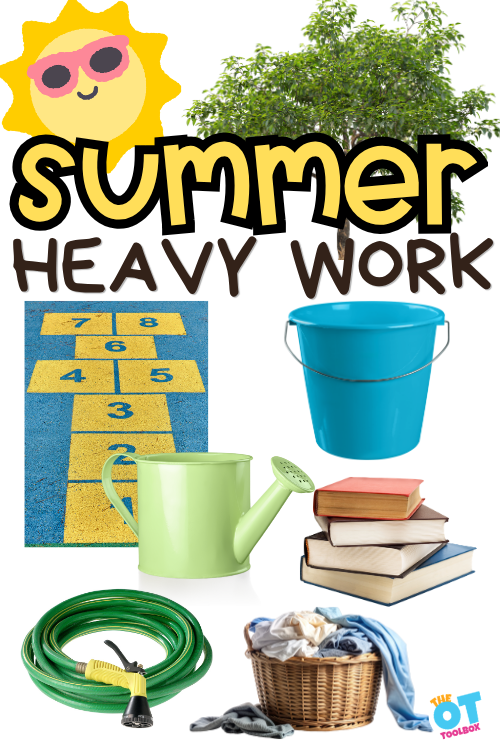
During the summer, families can leverage home environments, backyards, and community spaces to weave proprioceptive input into everyday life. Incorporating heavy work into household chores—such as carrying groceries, weeding the garden, pushing a lawnmower, or moving mulch—provides an effective physical warm-up before leisure time. Outdoor play, backyard obstacle courses, swimming pool activities, and community outings offer natural opportunities to keep children active, engaged, and well-regulated while supporting their overall developmental growth.