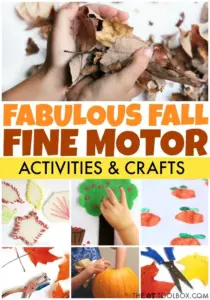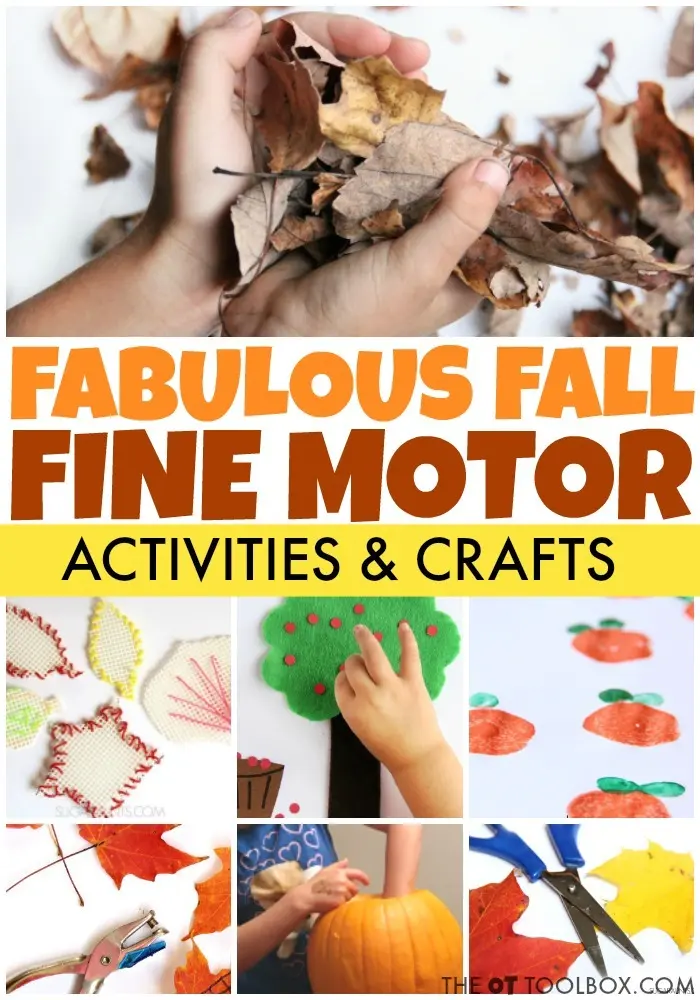
As the autumn air brings crisp temperatures, changing foliage, and the familiar scent of seasonal spices, educators, occupational therapists, and parents are increasingly incorporating fall-themed materials into children’s daily routines. Rather than choosing seasonal projects simply for festive entertainment, professionals are leveraging the natural appeal of apples, pumpkins, leaves, and acorns to address specific developmental goals, including hand strength, finger dexterity, scissor proficiency, visual-motor integration, and handwriting development.
The transition into autumn offers a rich sensory environment that naturally supports childhood development. From crunching dry leaves underfoot to scooping seeds from a freshly carved pumpkin, seasonal elements provide tactile and proprioceptive feedback that can engage children in purposeful play. Experts emphasize that many everyday autumn objects can be easily adapted to target multiple developmental domains simultaneously, allowing therapists and teachers to tailor activities to individual children’s needs without requiring extensive preparation or specialized equipment.
Hand strength is a foundational element for countless daily tasks, ranging from manipulating clothing fasteners to holding writing utensils. Therapists often utilize resistive materials like play dough, geoboards, and hole punches to challenge the small intrinsic muscles of the hand. For instance, apple-themed geoboards—where children stretch rubber bands across pegs to recreate specific patterns—provide controlled resistance while simultaneously fostering bilateral coordination and visual-motor planning. Similarly, operating a handheld hole punch around the perimeter of printed apple shapes requires sustained hand force, encouraging the muscular endurance necessary for academic tasks. Play dough infused with fall scents or mixed with small seasonal items like beads and mini erasers offers another tactile avenue for building grip and finger strength through rolling, squeezing, and pinching.
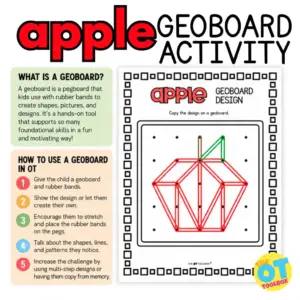
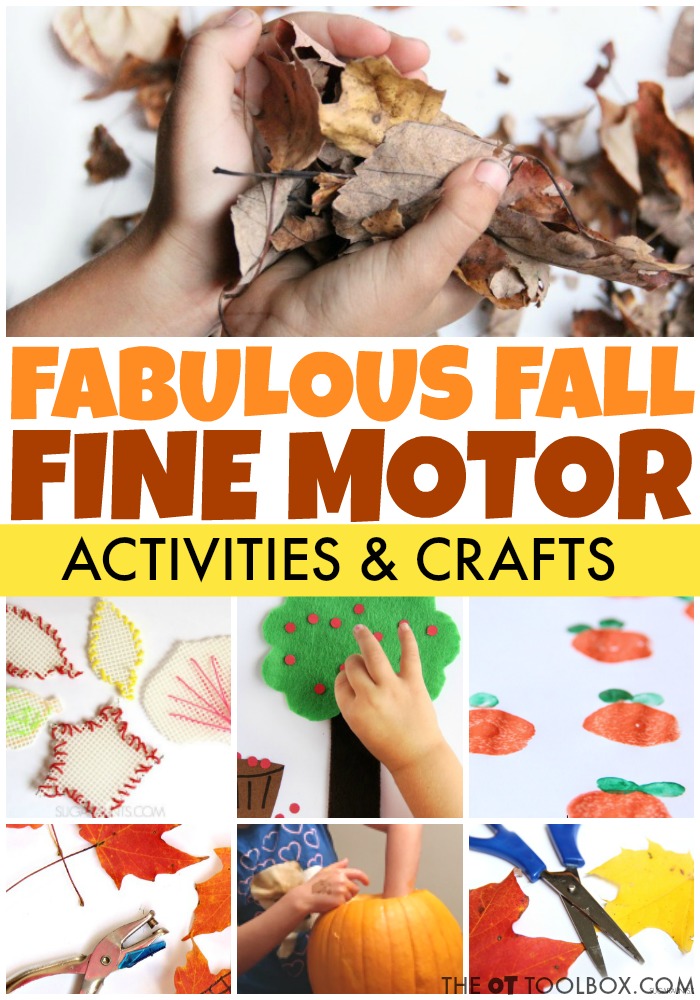
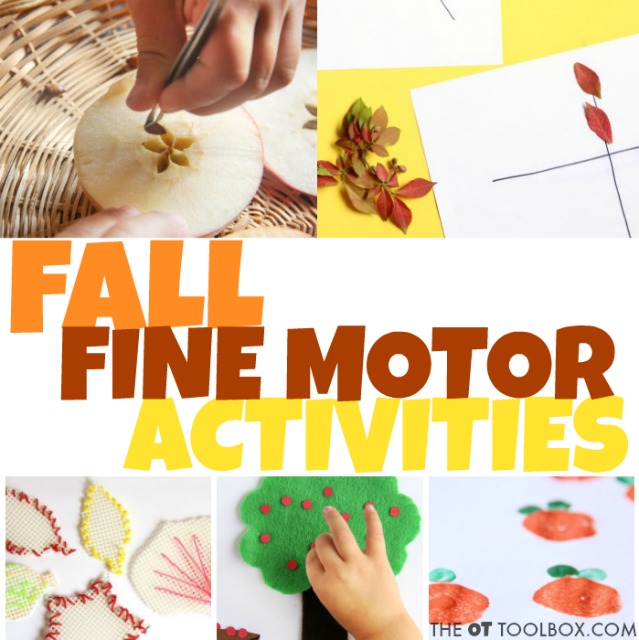
Beyond raw strength, manual dexterity requires speed, precision, and the coordinated movement of individual fingers. Activities involving small seasonal manipulatives—such as craft pom-poms, seeds, paper clips, and clothespins—transform simple sorting tasks into precise fine-motor exercises. Using tongs or tweezers to transfer fall-colored pom-poms into partitioned trays helps refine a child’s pincer grasp and eye-hand coordination. Meanwhile, tasks like attaching paper clips to counting cards or threading rubber bands onto intricate tree-pattern geoboards challenge children to use their fingertips rather than their whole hands, fostering the refined manipulation skills critical for academic success.
Scissor skills represent another critical area of development where autumn themes provide engaging practice. Cutting along complex visual paths, such as the contours of printed apple shapes or lines drawn on real fall leaves, requires the two hands to perform distinctly different roles. While the dominant hand opens and closes the scissors, the non-dominant helper hand must stabilize, rotate, and guide the paper. Occupational therapists frequently observe these cutting sessions to assess how well a child coordinates both sides of the body, maintains proper hand positioning, and tracks visual lines. More complex craft projects, such as farm-themed cut-and-paste assemblies, extend these demands further by incorporating executive functioning skills, requiring children to cut out components, visually determine their spatial orientation, follow a multi-step sequence, and adhere pieces into position.
Visual-motor integration is often closely linked with physical dexterity. Even children with adequate hand strength may struggle when a task requires them to coordinate what they see with how their hands move, such as copying a design, following a structured path, or reproducing spatial relationships. Autumn-themed directed drawing exercises—featuring pumpkins, acorns, and leaves—prompt children to observe a visual model, determine where lines begin and end, and translate those observations onto paper. Pattern blocks and seasonal "I Spy" seek-and-find sheets further enhance visual scanning, figure-ground perception, and sustained visual attention, particularly when paired with fine-motor components like circling objects or marking them with clothespins.
Writing development also benefits from seasonal integration. Rather than practicing isolated letters through repetitive drills, educators and therapists frequently utilize thematic writing prompts to embed handwriting practice within meaningful communication tasks. These prompts can be easily graded to accommodate various developmental stages, allowing emerging writers to practice single fall-related vocabulary words, beginning writers to compose complete sentences, developing students to answer short prompts, and older children to plan and draft cohesive paragraphs. By focusing on specific components like line awareness, spacing, letter size, and endurance, professionals can utilize a single set of prompts across a diverse group of learners.
For educators and parents seeking immediate, low-preparation options, everyday natural items found in the yard or home provide endless therapeutic value. Manipulating leaves through tearing, crumpling, punching, sorting, or stringing helps develop hand arches and grasp strength. Similarly, gathering and sorting acorns, coloring and scooping pumpkin seeds, or attaching bread ties to cardboard structures offer accessible ways to support fine-motor growth without the need for commercial materials.
As the season progresses, professionals continue to rely on structured resources, such as specialized membership platforms and curated activity guides, to streamline session planning. By anchoring therapeutic interventions in the vibrant sensory experiences of autumn, adults can effectively support children in building the fundamental motor skills required for lifelong academic and functional independence.