

Autistic culture represents a world of infinite diversity that exists far beyond the boundaries of the neuronormative imagination. Every autistic relationship is entirely unique, forged within a context where many individuals carry the weight of profound trauma. To address this reality, communities require appropriate tools to invest in the deep understanding of one another. Scholars and advocates argue that true cultural metamorphosis demands a radical reframing of how humanity understands cultural adaptivity, shifting the focus toward the co-creation of sustainable ecologies of care.
In contemporary society, the demand for peer support and reliable emotional support routinely outstrips available supply. This deficit is starkly reflected in overall mental health statistics, escalating levels of burnout, and the quantitative and qualitative findings of research organizations such as AutCollab. The modern reality of widespread emotional exhaustion and a severe lack of adequate peer support is compounded by the profound trust problems generated by hyper-competitive economic systems centered around transactional utility.
Navigating a complex, high-pressure world requires immense emotional energy, particularly when attempting to articulate potential avenues for collective healing and the establishment of ecologies of care. Observers note that no single individual can shoulder this burden alone. Faith in humanity is sustained not by massive institutional frameworks, but by small networks of autistic individuals embedded within immediate local ecologies—a dynamic that fosters daily resilience and mutual gratitude.
The Need for Intersectional Solidarity
The modern world urgently requires intersectional solidarity across all dimensions, alongside increased dialogue, transparency, and compassion. Society must invest in deeply understanding marginalized experiences, a trend increasingly visible on the fringes of mainstream culture. Within a socially toxic environment dominated by transactional imperatives, many basic relationship-building, maintenance, and repair skills have been lost or rendered rare.

To relearn these vital relational competencies, communities look toward frameworks like the Autistic Relationship Manual (ARM), coupled with the compassionate peer support provided uniquely by autistic networks. Cultural metamorphosis is understood as a radical form of collaborative niche construction. It requires society to reframe everything it knows about cultural adaptivity at a human scale, moving away from hypernormative cultural dead zones paralyzed by sanctified institutional bureaucracy.
Cultural healing necessitates a profound shift in trust away from established institutions and toward mutual aid and community co-creation at a human scale, echoing the perspectives of indigenous scholars like Yuria Celidwen. Celidwen emphasizes that creating spaces of trust requires immense, challenging work to dismantle prevailing toxic narratives. While this process can leave individuals feeling vulnerable, stepping into these challenges enables communities to foster resilience for the benefit of the planet.
This transformation in trust is already taking place organically outside established institutions, driven by self-selected and self-organizing groups operating on the intersectional margins of modern societies. The objective of community-led relational guides is to catalyze further intersectional dialogues, helping individuals let go of unwarranted fears and shame imposed by hypernormative cultural expectations.
Autistic Culture as a Cultural Immune System
In the context of healthy, egalitarian human ecologies, autistic individuals are best understood as agents of a well-functioning cultural immune system within society. The unusual, heightened baseline sensitivity profiles characteristic of autistic people mean they often possess a reduced capacity for maintaining cognitive dissonance. Unconstrained by rigid, culturally defined gender norms, they frequently demonstrate a deep capacity to relate to other living beings, both human and non-human.

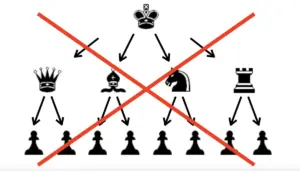
These sensitivity profiles inherently limit an individual’s ability to think hierarchically or engage in purely transactional social business. Within a hypernormative culture, explaining the immersion in healthy autistic culture can be challenging. Mainstream society often struggles to comprehend how autistic individuals support, love, and care for one another in ways that transcend the limitations of the neuronormative imagination.
As humans, autistic individuals share an evolved capacity for developing and maintaining complex cultures and languages. These capacities allow for flexible collaboration based on shared intentions and an understanding of ecological context. Breaking fundamental commitments made within these frameworks can cause physical, mental, and spiritual distress, highlighting the deep evolutionary roots of human cultural organisms.
Every relationship is viewed within this framework as sacred, extending even to non-human living beings and the broader environment. Just like all other animals, humans engage in diverse social and biological behaviors. The expansion of human culture and language has increased the complexity of sexual imagination and expression. Western Educated Industrialized Rich and Democratic (WEIRD) cultures have not cornered the market on cultural gender identities and sexual preferences, and attempting to impose these specific norms globally functions as a form of neocolonialism.
Similarly, super-human scale entities such as modern nation-states and corporations project universal social norms that often conflict with human evolutionary history, causing widespread harm. Recognizing humanity’s animal nature brings a necessary sense of cognitive and emotional humility, reminding individuals of their shared biological limitations and interdependence with the natural world.

Relational Building Blocks and Health
While every human relationship is unique and rejects one-size-fits-all models, certain foundational building blocks help articulate commitments, preferences, and needs. The ability to extend deep trust is closely tied to the health of an individual’s surrounding ecology of care. In safe environments, autistic individuals frequently extend deep trust, though this gift can be easily exploited in spaces shaped by internalized ableism.
Shared understanding, value priorities, interests, and complementary traits form the bedrock of enduring connections, particularly within autistic communities where shared passions often run deep. Furthermore, relationship health is fundamentally defined by the absence of cognitive dissonance between parties. When dissonance persists, it indicates differing sensitivity profiles or unaddressed communication failures.
Modern social environments have frequently eroded collective deliberation at a human scale, leaving individuals to experience widespread incoherence. Sense-making operates at a human scale, which is why authentic recovery and coherence are increasingly found on the margins of society rather than within rigid institutional structures.
Mastering relationship repair and reconfiguration skills is essential to reducing and eliminating emotional pain before it becomes chronic. Whether through friendship, economic partnership, or romantic connection, maintaining long-term relationships relies on active communication, energy management, and the flexibility to adapt mutual commitments over time. By moving away from transactional frameworks and embracing human-scale ecologies of care, communities continue to lay the groundwork for a broader cultural metamorphosis.