







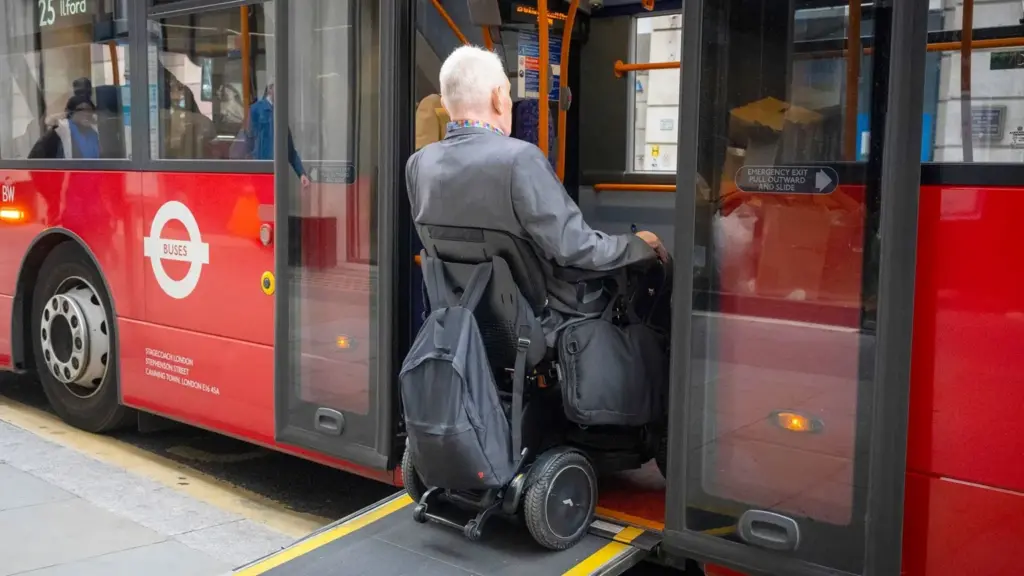
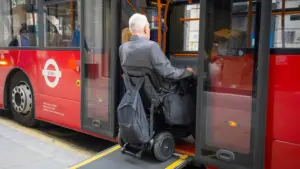
Starting April 1, disabled people across England will be able to travel by bus for free at any time of day, marking a major transformation in public transit accessibility. Previously, free bus passes were strictly restricted to off-peak hours on weekdays, specifically between 09:30 and 23:00. This historical limitation created significant logistical and financial barriers for pass holders attempting to commute to standard morning jobs, early appointments, or late-night events. The upcoming removal of these time limits will benefit an estimated one million people nationwide, effectively turning local bus networks into a true full-time lifeline for disabled commuters.
The policy follows a highly successful trial conducted within Greater Manchester’s integrated public transit framework, known locally as the "Bee Network." It also directly responds to years of sustained campaigning by prominent disability rights organizations, including Scope and Transport for All. Advocates have widely celebrated the policy shift for eliminating an unfair "postcode lottery," a system where pass validity and operational rules previously depended entirely on local municipal jurisdictions. However, disability advocacy organizations emphasize that this reform is only one crucial step forward, noting that eligibility requirements across different regional authorities still require broader standardization to ensure complete fairness.
To make the program permanent and nationwide, the £60 million scheme is being funded jointly through the Department for Transport and the Department for Work and Pensions. Government officials frame the reform as an essential workforce participation and cost-of-living initiative. This policy joins existing transit measures such as the nationwide £2 single-fare cap, while bringing England fully in line with similar 24/7 concessionary transit programs that have successfully operated in Scotland and Wales for years.
Global Takeaways: How Other Countries Can Make Accessible Commuting Possible
Making daily commuting accessible and affordable for disabled citizens requires a careful combination of thoughtful policy design, robust digital systems, and targeted public investment. As nations around the world look for ways to improve urban mobility and social inclusion, the transition to unrestricted transit access in England offers a clear view into the complexities of modern public transportation reform.
Why Was the UK Able to Do It?
The ability to implement a nationwide 24/7 concessionary travel scheme stems from a combination of centralized policy frameworks, sustained advocacy, and financial collaboration between key government departments. By pooling resources from both the Department for Transport and the Department for Work and Pensions, the government demonstrated that expanding public transit access is intrinsically linked to broader economic goals, such as workforce participation and poverty reduction. Furthermore, regional pilots like the "Bee Network" trial in Greater Manchester provided policymakers with valuable empirical data, proving that removing time restrictions on bus passes is operationally feasible and delivers immediate social benefits. This combination of grassroots campaigning by disability rights organizations and government responsiveness created the political momentum necessary to overhaul legacy transit rules.
Does It Depend on Existing Infrastructure?
Yes, heavily. Free transit passes only work if the public transport network is physically and technologically accessible to begin with. Concessionary fares lose much of their practical value if passengers cannot physically board vehicles or navigate the broader transit environment.
A reliable accessible transit system requires investment across multiple fronts. Fleet modernization is fundamental, ensuring that all buses are equipped with functional ramp systems, designated wheelchair spaces, and clear audio-visual announcement systems. Beyond the vehicles themselves, the supporting infrastructure at bus stops and transit hubs must be designed with universal accessibility in mind, featuring level boarding, tactile paving, and reliable real-time arrival information systems. Furthermore, transport personnel—including drivers and station staff—must receive comprehensive disability awareness training to assist passengers effectively and foster a welcoming travel environment. Without these foundational elements, expanding pass validity alone cannot guarantee true mobility.
What Is Needed to Make Commuting Affordable for People with Disabilities?
Making commuting genuinely affordable for people with disabilities involves more than simply distributing free passes. It requires a holistic financial and structural approach to public transportation.
First, policymakers must eliminate regional disparities and inconsistencies in eligibility criteria, ensuring that transit rights do not depend on where a person happens to live. Second, financial subsidies must be adequately funded and protected against regional budget cuts to guarantee long-term sustainability. Third, fare structures should be simplified across all modes of transport, allowing seamless integration between buses, trains, and other local transit options without financial penalty. Finally, governments must maintain an ongoing dialogue with disability organizations and commuters themselves, ensuring that future transit policies continue to address real-world barriers and adapt to the changing needs of the communities they serve.