






A groundbreaking study published in the open-access journal PLOS Medicine has provided new evidence that various neurological and psychiatric conditions may be linked to a phenomenon of accelerated brain aging. Led by Shile Qi of the Nanjing University of Aeronautics and Astronautics in China, the research suggests that dementia, mild cognitive impairment, alcohol addiction, and conditions such as schizophrenia do not merely affect brain function; they appear to leave distinct, identifiable "signatures" on the brain’s physical structure, causing it to appear older than the individual’s actual chronological age.
The findings offer a significant step forward in our understanding of how disparate health conditions impact the central nervous system. By analyzing thousands of brain scans, the research team identified that while some disorders accelerate the aging process across the entire brain, others exhibit highly localized patterns of structural decline, potentially pointing toward unique underlying biological mechanisms for each condition.
The Science of Predictive Age Difference
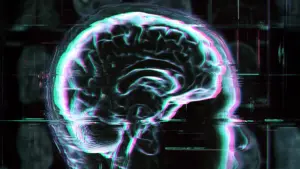
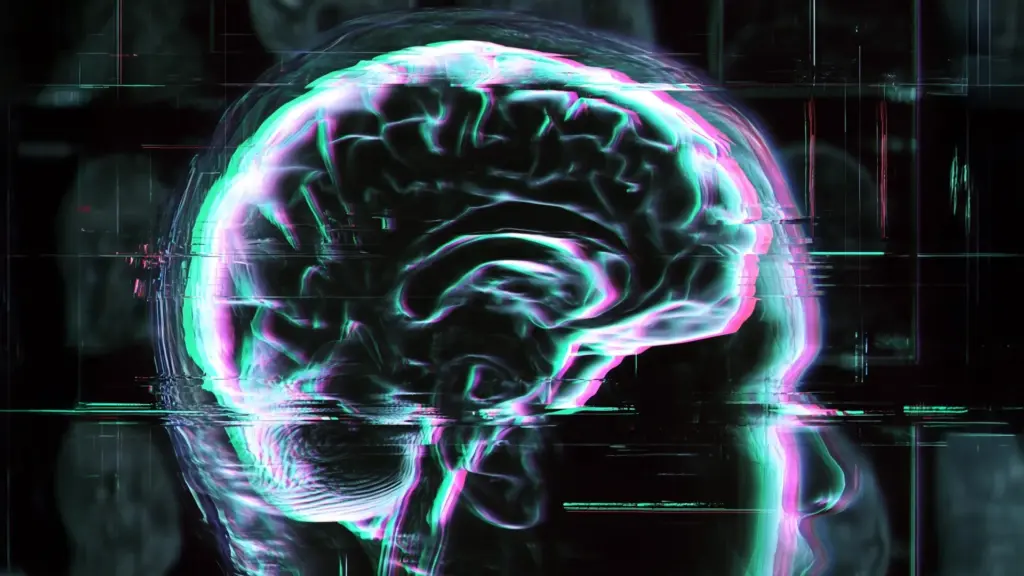
To quantify how these conditions influence brain health, researchers utilize a metric known as the "predictive age difference" (PAD). This diagnostic tool allows clinicians and researchers to estimate a person’s "brain age" by analyzing structural magnetic resonance imaging (MRI) data. By comparing this estimate with the person’s actual chronological age, scientists can calculate a PAD score.
A positive PAD score indicates that a brain appears structurally older than would be expected for a healthy individual of that same age, serving as a proxy for accelerated biological aging. Conversely, a negative score might suggest a brain that retains structural integrity beyond typical expectations. For this study, the research team examined structural MRI data from a massive cohort of 45,900 healthy control subjects, drawing from several established brain imaging databases to create a robust baseline for normal brain aging.
Against this vast control group, the researchers compared data from 2,698 individuals diagnosed with a wide array of conditions. The study population was diverse, including those living with Alzheimer’s disease (AD), mild cognitive impairment (MCI), schizophrenia, bipolar disorder, major depressive disorder, and alcohol or tobacco addiction. Additionally, the study included participants with attention-deficit/hyperactivity disorder (ADHD) and autism spectrum disorder (ASD) to determine if these neurodevelopmental differences also manifested as accelerated brain aging.
Alzheimer’s and MCI Show the Strongest Associations
The results of the analysis were striking, particularly regarding neurodegenerative disorders. Among all the conditions examined, Alzheimer’s disease and mild cognitive impairment were most strongly associated with high positive PAD values. This confirms the long-held understanding that these conditions are fundamentally linked to the physical deterioration of brain tissue. The data suggests that for these patients, the "brain aging clock" is significantly advanced, reflecting the severe structural loss that characterizes these conditions.
However, the study also revealed that accelerated aging is not exclusive to neurodegenerative diseases. Individuals struggling with alcohol and tobacco addiction, as well as those diagnosed with various psychiatric conditions, also demonstrated increased PAD values compared to the control group.
Interestingly, the study found no significant overall differences in PAD between the control subjects and those diagnosed with ADHD or ASD. This suggests that while ADHD and ASD represent significant neurodevelopmental variations, they do not necessarily manifest as the same type of accelerated structural decay seen in neurodegenerative or severe psychiatric conditions. This nuance is crucial, as it helps researchers differentiate between developmental differences and the process of accelerated biological aging.
Distinct Disorders Affect Specific Brain Regions
One of the most compelling aspects of the study was the team’s decision to look beyond global brain age and examine PAD across individual brain regions. By mapping where the aging occurs, the researchers discovered that different conditions target different neural architectures, often mirroring the specific symptoms associated with those disorders.
The prefrontal cortex emerged as a primary site of interest, showing elevated PAD across a wide variety of brain disorders. This region is critical for executive functions, including decision-making, impulse control, and personality expression—faculties often compromised in the conditions studied.
When researchers narrowed their focus to psychiatric disorders, they found elevated PAD specifically within the frontal and temporal lobes. In contrast, dementia patients exhibited higher PAD in the frontal and occipital cortex. The pattern for addiction was markedly different again, with higher PAD identified in the default mode network—a system of brain regions active when a person is not focused on the outside world—as well as the salience network, the putamen, and the thalamus. These regions are heavily involved in reward processing, habit formation, and the regulation of autonomic functions, all of which are frequently impacted by substance use disorders.
Furthermore, the researchers explored the relationship between these structural findings and patterns of gene expression. They identified specific differences in gene transcription associated with particular conditions. This suggests that the accelerated brain aging observed is not merely a byproduct of secondary damage but is linked to distinct, underlying biological and molecular processes. These genetic signatures provide a roadmap for future investigations into the causal mechanisms of these brain conditions.
A Potential Source of Future Biomarkers
While the findings are compelling, the research team emphasized that the study is correlational. It does not definitively prove that these conditions are the direct cause of accelerated brain aging, though the statistical association is strong. The complexity of human health means that causal relationships are often bidirectional; for example, while a disorder might accelerate brain aging, an already aging or vulnerable brain might be more susceptible to the development of certain psychiatric conditions.
Additionally, the researchers noted that many of the conditions studied, particularly psychiatric disorders and addictions, frequently co-occur. This comorbidity makes it challenging to isolate the independent effect of any single condition on the brain. A person living with both depression and a substance use disorder, for instance, presents a complex diagnostic picture where it is difficult to determine which condition—or whether the combination—is the primary driver of observed structural changes.
Despite these limitations, the study offers a promising path forward. The authors suggest that refining the measurement and understanding of PAD could eventually help scientists identify reliable biomarkers for common brain disorders. By providing a "brain aging signature," clinicians might one day be able to better track the progression of a condition, evaluate the effectiveness of interventions, or even identify individuals at risk before significant clinical symptoms appear.
"Different neurological disorders appear to leave different signatures on the brain aging clock," the authors stated, noting that these signatures may help researchers better understand the intricate neural and biological pathways involved in these complex conditions. By viewing these disorders through the lens of structural aging, the medical community may gain new insights into the biology of the brain, moving closer to more precise, personalized approaches to diagnosis and treatment.
This work was supported by the Key Research and Development Plan of Jiangsu Province, China (BE2023668) to S.Q., and the National Natural Science Foundation of China (62376124) to S.Q. The funding organizations had no involvement in the study design, data collection, the analysis of results, the decision to publish, or the preparation of the manuscript. As research continues, the integration of structural imaging and genetic data will remain a critical frontier in unraveling how our brains age and why they sometimes age faster than the rest of our bodies.