



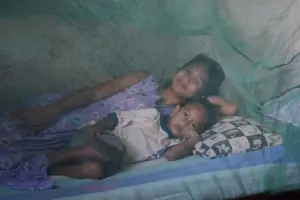
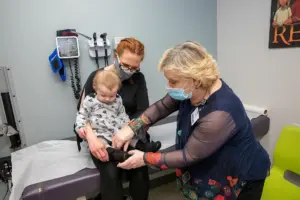


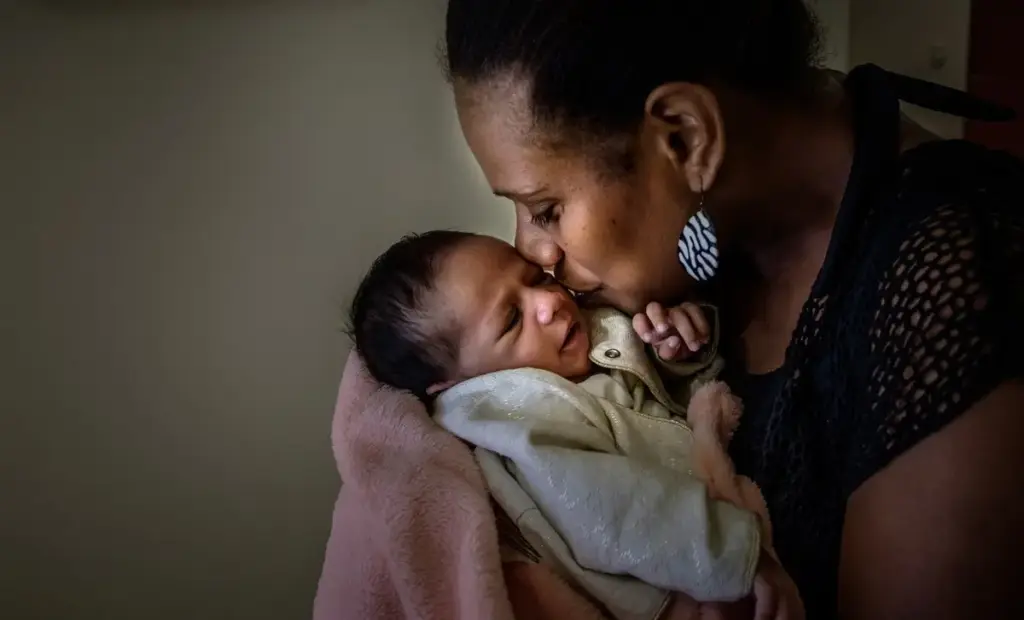
Marking its 77th anniversary with an urgent global mobilization, the World Health Organization (WHO) and its international partners have launched a widespread series of public advocacy actions for World Health Day 2025. Centered around the theme "Healthier beginnings, hopeful futures," the landmark initiative has galvanized more than 100 WHO global offices to take action in collaboration with Member States, local communities, health workers, donor agencies, and civil society organizations.
This unprecedented international response comes at a critical juncture for global public health. The campaign serves as a powerful platform to defend essential maternal and newborn health care services, which face growing jeopardy from severe funding constraints and financial cuts affecting the global health sector. By drawing attention to these mounting financial pressures, the WHO and its allies aim to protect fragile gains achieved over decades and prevent a devastating reversal in maternal and child survival rates worldwide.
The focal point of these coordinated international actions is to amplify a collective warning issued by United Nations agencies on World Health Day. UN experts have raised serious alarms that ongoing aid cuts and resource shortages threaten to unravel hard-won progress in ending preventable maternal deaths. In response, WHO offices across various regions have initiated dialogues, community engagements, and public awareness campaigns to ensure that the health of mothers and newborns remains a top priority on political and financial agendas.
A prominent example of this grassroots and institutional engagement took place in South America, where WHO/PAHO Chile Country Representative Giovanni Escalante Guzmán joined Mapuche leader Juana Cheuquepan for a high-level discussion. Held on April 7, 2025, the dialogue focused centrally on "mother and newborn health as the basis for healthy families and communities." This event underscored the vital importance of integrating culturally sensitive, community-based approaches into national health strategies, ensuring that indigenous and vulnerable populations are not left behind in the broader push for universal health coverage and improved reproductive care.
The events in Chile reflect a broader pattern of localized mobilization occurring across the WHO’s various operational regions. From urban centers to remote communities, offices spanning the African Region, the Region of the Americas and the Pan American Health Organization, the Eastern Mediterranean Region, the European Region, the South-East Asia Region, and the Western Pacific Region have tailored their World Health Day activities to address regional challenges while uniting under the common banner of protecting mothers and newborns.
These worldwide actions generate a robust, unified response to the global call issued by UN agencies, directly confronting the growing threat of major backsliding in maternal and newborn health metrics. For decades, international cooperation and sustained funding have driven down maternal mortality rates and improved neonatal outcomes in many parts of the world. However, shifting donor priorities, economic downturns, and competing global crises have placed immense strain on health systems, leaving vital maternal care programs underfunded and understaffed.
World Health Day 2025 not only highlights these immediate financial and operational vulnerabilities but also officially kicks off a comprehensive, year-long campaign dedicated entirely to maternal and newborn health. As the WHO enters its 78th year of operation, the organization is issuing a clear directive to governments, policymakers, and the global health community: the international community must urgently ramp up efforts to eliminate preventable maternal and newborn deaths.
Beyond immediate survival, the year-long campaign emphasizes the necessity of prioritizing women’s longer-term health and well-being. Advocates argue that maternal care cannot be viewed merely as an isolated intervention surrounding childbirth, but must instead form the cornerstone of resilient health systems that support women throughout their lives. By fostering healthier beginnings for infants and securing hopeful futures for families and communities, the WHO’s 2025 initiative seeks to re-energize global commitment and secure the necessary resources to safeguard the health of future generations.