










In a legal development that civil rights advocates are calling a profound betrayal, the federal government has agreed to a settlement that will eliminate regulatory requirements mandating that individuals with disabilities be served in community settings. The decision, approved by a federal judge late last week, brings an end to a protracted legal battle and marks what experts describe as a dramatic reversal of decades of settled federal policy regarding the rights of disabled Americans.
U.S. District Judge James W. Hendrix signed off on the agreement between federal health officials and a coalition of five states—Texas, Alaska, Florida, Louisiana, and Montana. Under the terms of the settlement, references to the "most integrated setting" will be officially removed from a 2024 update to the Department of Health and Human Services regulations concerning Section 504 of the Rehabilitation Act.
The move cements a striking shift in the federal government’s stance on the rights of people with disabilities to live, work, and receive support within their own neighborhoods rather than being segregated in institutional facilities. For advocates, the court order represents an alarming retreat by the agency tasked with defending civil rights.

"The court’s order accepting the parties’ agreement is inconsistent with 50 years of law," said Shira Wakschlag, senior executive officer for legal advocacy and general counsel at The Arc of the United States. "The federal government is abandoning its duty to enforce the right of people with disabilities to live in their own homes and communities."
A Complex Multistate Legal Battle Comes to a Close
The judge’s action formally concludes a lawsuit known as Texas v. Kennedy, which was first launched roughly two years ago. Initially filed by Texas alongside 16 other states, the litigation underwent numerous twists, turns, and adjustments over its lifespan.
When the lawsuit began, the state plaintiffs sought primarily to ensure that gender dysphoria would not qualify as a protected disability under the updated 2024 Section 504 regulations. Going further, the initial complaint asked the court to strike down Section 504 in its entirety. Although the states later backed off that sweeping demand, they continued mounting aggressive challenges to the regulations.
As the litigation progressed, intense pressure from disability rights advocates prompted all but three of the original state plaintiffs to drop out of the case. However, the legal landscape shifted again when Louisiana and Montana opted to rejoin the active litigation, keeping the challenge alive alongside Texas, Alaska, and Florida.
The most decisive pivot occurred in recent weeks when the federal government abruptly switched sides in the case. The administration’s sudden reversal cited a June memorandum issued by the Justice Department’s Office of Legal Counsel. That memo asserted that neither the landmark Americans with Disabilities Act nor Section 504 of the Rehabilitation Act "require states to treat mentally disabled patients in the most integrated setting appropriate to their needs."
With the federal defendants effectively aligning with the state plaintiffs, the path was cleared for the newly approved settlement agreement.
Specific Regulatory Cuts Under the Settlement
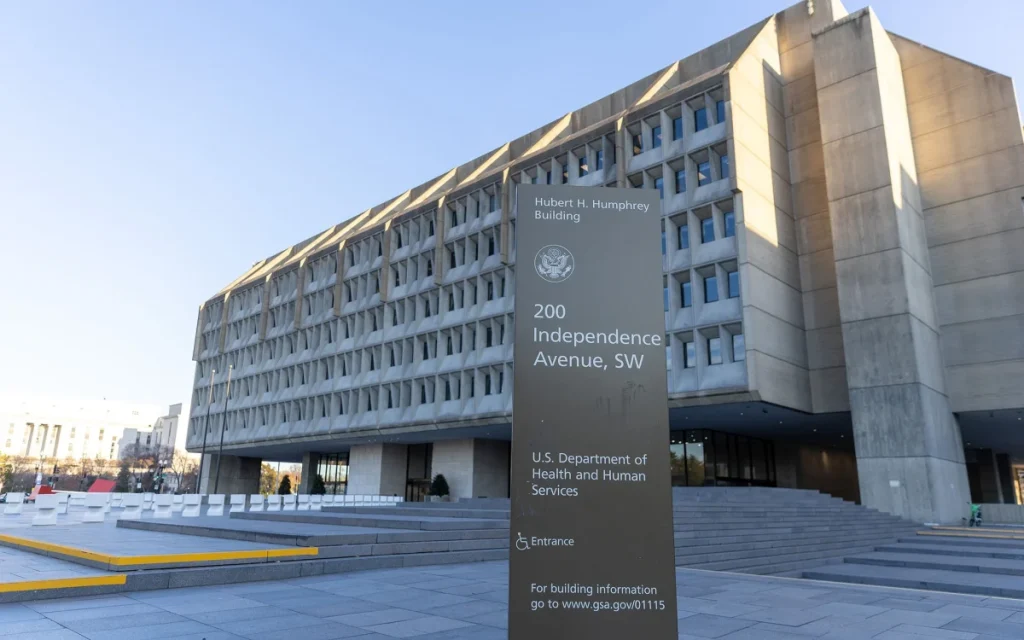
Under the terms of the agreement brokered with Robert F. Kennedy Jr. in his official capacity as secretary of health and human services, the overarching Section 504 regulations will remain on the books, but key provisions will be excised.
The deletions include the specific regulatory definition of the "most integrated setting." Furthermore, the settlement strikes multiple provisions stating that when public entities choose among available methods for meeting statutory requirements, they must give priority to methods offering programs and activities to qualified individuals with disabilities in the most integrated setting appropriate to their needs.
Despite these deletions, disability advocates emphasize that the core legal framework protecting community integration remains intact. Because the alterations were enacted through a settlement agreement rather than a judicial ruling on the merits, the court did not make independent legal findings or issue a precedent-setting opinion on the underlying statutes.
"The integration mandate doesn’t depend on this regulation. It comes from Section 504 itself, from the ADA, and from the Supreme Court’s decision in Olmstead v. Lois Curtis. All of those are still in place," said Michelle Uzeta, executive director at the Disability Rights Education & Defense Fund.
Uzeta expressed deep dismay over the federal government’s tactical choices throughout the proceedings. "The most frustrating thing is that this was not a legal loss. It was a surrender. HHS didn’t defend these rights and protections. It joined the states that sued and asked the judge to strike them."
Fallout and Expected Confusion for States and Providers
While legal experts point out that the underlying statutes and Supreme Court precedents remain legally binding, they warn that the settlement carries severe practical consequences. The decision sends a powerful, troubling signal that could spark widespread confusion among state governments, healthcare providers, and community organizations regarding their legal obligations.
Eve Hill, a prominent civil rights attorney who served as deputy assistant attorney general for civil rights during the Obama administration, noted that the psychological and administrative impact of the settlement cannot be understated.
"It demonstrates that the five state plaintiffs believe they are free to put people with disabilities into institutions," Hill said. "Unfortunately, because the court has amended the regulations to delete the community integration requirements, some states and other covered entities—health care providers, etc.—will believe they can institutionalize people with disabilities."
Hill added that this regulatory vacuum will place an undue burden on vulnerable populations. "This will imperil the lives of people with disabilities, who will be forced to fight unnecessary institutionalization on their own."