








As a founding member of the World Health Organization (WHO), the United States of America has historically stood as a pillar of global health infrastructure. For decades, the partnership between the U.S. and the WHO has been instrumental in some of the most significant public health triumphs of the modern era. From the monumental achievement of eradicating smallpox to sustained, collaborative progress against polio, HIV, Ebola, influenza, and tuberculosis, the American contribution to global health security has been both profound and measurable. This long-standing alliance has also tackled complex challenges such as malaria, neglected tropical diseases, the growing crisis of antimicrobial resistance, and the enforcement of international food safety standards.
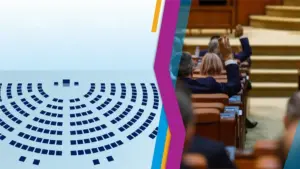
Given this history of cooperation, the World Health Organization has expressed deep regret regarding the notification of the United States’ intention to withdraw from the organization. In an official statement, the WHO characterized this decision as one that diminishes the safety of both the United States and the broader international community. The notification of withdrawal, which has sent shockwaves through the global health architecture, raises a series of complex procedural and political issues that are slated for formal consideration. The WHO Executive Board is expected to address the implications of this move at its regular meeting beginning on February 2, followed by further deliberations at the annual World Health Assembly scheduled for May 2026.
The tensions precipitating this move center on sharp disagreements regarding the WHO’s performance and independence. The WHO has taken note of statements from the U.S. government alleging that the organization has been "trashed and tarnished," insulted, and ultimately compromised in its independence. The WHO has firmly rejected these characterizations, asserting that the reverse is true. Emphasizing its commitment to neutral, science-based governance, the organization maintains that it has always sought to engage with the United States in good faith, ensuring full respect for American sovereignty, just as it does with all 194 of its Member States.
A primary pillar of the U.S. argument for withdrawal rests on the assertion of "WHO failures during the COVID-19 pandemic." Specifically, the United States has accused the organization of "obstructing the timely and accurate sharing of critical information" and of actively concealing those failures. The WHO, however, stands by its response to what it describes as an unprecedented global health crisis. While the organization acknowledges that no government or entity navigated the pandemic without error, it maintains that its actions were rooted in speed, transparency, and the best available evidence.
Throughout the duration of the pandemic, the WHO provided technical guidance based on evolving data. It recommended the use of masks, vaccines, and physical distancing as effective public health tools. However, the organization is quick to point out that it never, at any stage, issued mandates for masks, vaccines, or national lockdowns. Instead, the WHO characterizes its role as a supportive partner, providing the evidence-based framework for sovereign governments to make decisions they deemed to be in the best interests of their own populations. In this view, the ultimate authority for policy implementation remained firmly with national governments.
The timeline of the WHO’s early response is a central component of its defense against the charges of negligence. Immediately upon receiving the first reports of a cluster of cases involving "pneumonia of unknown cause" in Wuhan, China, on December 31, 2019, the WHO took decisive action. It requested further information from Chinese authorities and activated its emergency incident management system to coordinate a global response. By January 11, 2020—the date of the first reported death in China—the WHO had already utilized formal channels, public statements, and social media to alert the world. It had also convened global experts and published comprehensive technical guidance for countries to fortify their health systems and protect their citizens.
On January 30, 2020, the WHO Director-General declared COVID-19 a Public Health Emergency of International Concern (PHEIC) under the International Health Regulations. This declaration, which represents the highest level of alarm under international health law, was issued at a time when there were fewer than 100 reported cases and zero reported deaths outside of China. Throughout the initial months of the outbreak, the Director-General repeatedly urged nations to take immediate, proactive steps. His rhetoric underscored the gravity of the situation, warning that "the window of opportunity is closing," declaring "this is not a drill," and identifying COVID-19 as "public enemy number one."
In the wake of the pandemic, several independent reviews were conducted to evaluate the WHO’s performance. In response to these findings, the organization has undertaken institutional reforms to strengthen its internal processes and to bolster the pandemic preparedness and response capacities of its Member States. The systems managed by the WHO, which operate on a 24/7 basis, were essential in coordinating a global response that aimed to keep all countries safe, including the United States.
The United States has also contended that the WHO has "pursued a politicized, bureaucratic agenda driven by nations hostile to American interests." The organization has categorically dismissed this claim as untrue. As a specialized agency of the United Nations governed by 194 Member States, the WHO maintains that it remains impartial and dedicated to serving the interests of all nations. It insists that its operations are conducted without fear or favor, always respecting the sovereignty of its members.
Despite the current friction, the WHO continues to emphasize the importance of collective action. The organization reports that it continues to appreciate the support and engagement of the vast majority of its Member States, which remain committed to working within the established framework to confront the world’s most pressing health threats. One of the most significant recent developments in this collaborative effort was the adoption of the WHO Pandemic Agreement. Once ratified, this landmark instrument of international law is designed to create a more resilient global architecture to prevent and respond to future pandemics.
Furthermore, Member States are currently engaged in negotiations regarding an annex to the Pandemic Agreement known as the Pathogen Access and Benefit Sharing system. If adopted, this system would represent a major step forward in promoting the rapid detection and sharing of pathogens with pandemic potential, while simultaneously ensuring equitable and timely access to essential medical countermeasures, such as vaccines, therapeutics, and diagnostics.
While the current trajectory of U.S.-WHO relations remains strained, the organization maintains a door open for future cooperation. The WHO has expressed its hope that the United States will eventually return to active participation within the body. In the interim, the organization remains steadfastly committed to its core mission and constitutional mandate: the pursuit of the highest attainable standard of health as a fundamental right for all people, regardless of geography or political affiliation. By continuing its work with nations across the globe, the WHO seeks to ensure that the international community is better equipped to handle the next inevitable public health challenge, underscoring the belief that global security is inextricably linked to global health cooperation.