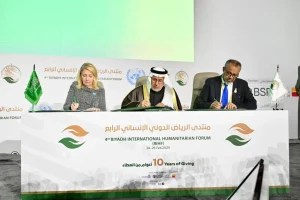


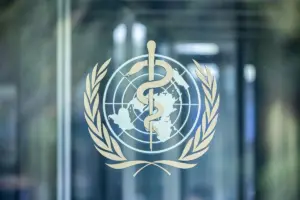


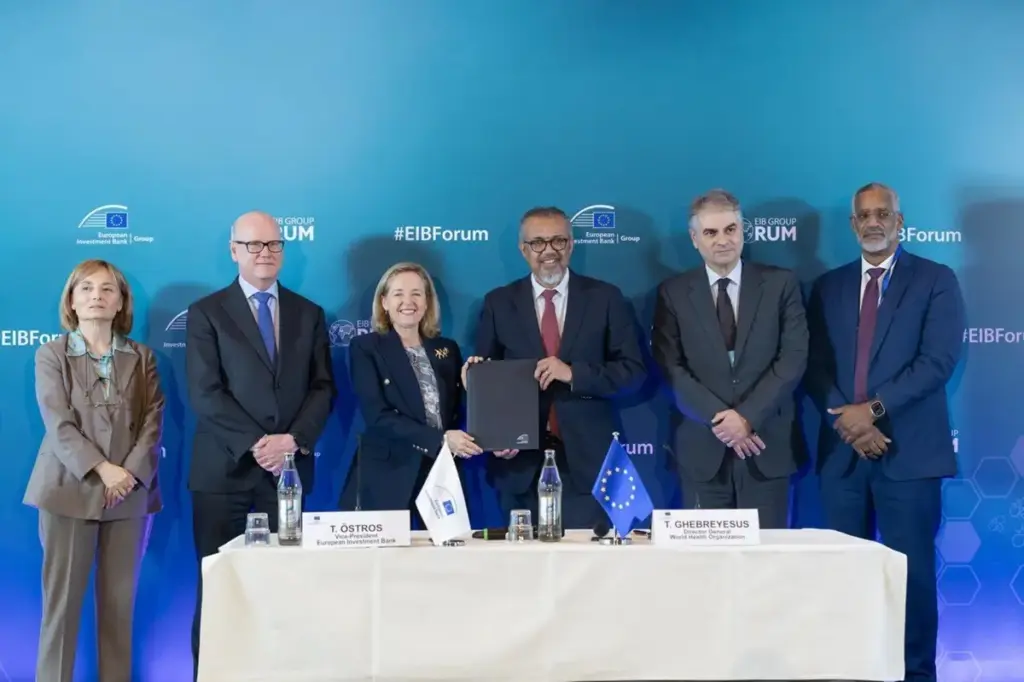
In a significant move to fortify Lebanon’s strained public health system, the World Health Organization (WHO) and the European Investment Bank (EIB) have formalized a new strategic partnership. On 6 March 2025, during the prestigious EIB Group Forum held in Luxembourg, WHO Director-General Dr. Tedros Adhanom Ghebreyesus and EIB Vice-President Thomas Östros signed a landmark agreement. The pact entails a €10 million grant aimed at providing critical support to the Lebanese population, addressing both the immediate need for essential medications and the long-term requirement for robust public health infrastructure.
This collaboration marks a pivotal moment for Lebanon, a nation that has been navigating a complex and protracted socioeconomic crisis for several years. The healthcare sector, once considered a cornerstone of the country’s regional standing, has faced immense pressure due to currency devaluation, supply chain disruptions, and a significant exodus of medical professionals. The injection of €10 million is designed to act as a stabilizing force, targeting specific vulnerabilities that have left thousands of residents without adequate care.
Central to the initiative is the ambitious goal of re-establishing Lebanon’s Central Public Health Laboratory. As the technical heart of any national health system, a central laboratory is essential for disease surveillance, diagnostic accuracy, and the monitoring of health threats. In the wake of recent years’ instability, the functionality of such critical infrastructure has been severely hampered. By prioritizing the restoration of this facility, the WHO and EIB Global are investing in the country’s long-term ability to detect and manage health crises independently, shifting the focus from purely emergency response to sustainable systemic recovery.
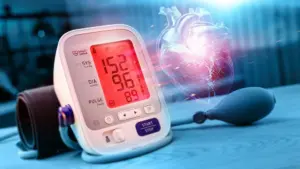
Beyond the brick-and-mortar restoration of laboratory facilities, the partnership addresses the urgent humanitarian aspect of the crisis: the availability of life-saving medicine. The initiative is set to provide direct healthcare support to over 50,000 people currently suffering from chronic illnesses. In a landscape where the cost of medication has soared beyond the reach of many households, this intervention is intended to ensure that patients diagnosed with diabetes, cardiovascular diseases, and cancer maintain continuity of care.
For a patient living with a chronic condition like diabetes or a cardiovascular disorder, the interruption of daily medication is not merely an inconvenience; it is a life-threatening scenario. The strain on Lebanon’s healthcare system has made it increasingly difficult for hospitals and pharmacies to stock the necessary treatments, leaving the most vulnerable populations in a state of high uncertainty. By facilitating the provision of these medications, the WHO-EIB project serves as a crucial lifeline, mitigating the risk of acute health complications that could further overwhelm an already stretched medical system.
The collaboration between the WHO and EIB Global reflects a broader recognition of the interconnectedness of international development and public health. EIB Global, the development arm of the European Investment Bank, has increasingly focused its efforts on strengthening social infrastructure in countries facing profound challenges. By aligning its financial expertise with the technical guidance of the WHO, the EIB is ensuring that the €10 million grant is utilized in a way that maximizes impact on the ground. This synergy allows for a more comprehensive approach to health security, acknowledging that financial resources are most effective when paired with clinical and epidemiological expertise.
The geopolitical and economic context of Lebanon remains highly volatile, making the timing of this announcement particularly significant. The country’s public health landscape has been profoundly impacted by the wider economic downturn, which has rendered basic health services increasingly inaccessible. The World Health Organization has been working tirelessly to coordinate international efforts to prevent the collapse of Lebanon’s health services. This latest injection of funding from the EIB is a testament to the ongoing commitment of international organizations to prevent a full-scale health catastrophe within the country.
Dr. Tedros Adhanom Ghebreyesus has frequently highlighted the necessity of investing in primary healthcare and resilient health systems as the best defense against future emergencies. The focus on chronic diseases in this agreement is indicative of a shift toward managing the "silent" health crisis that often accompanies economic instability—the rise of non-communicable diseases that require consistent, long-term monitoring and pharmacological intervention. By ensuring that 50,000 individuals receive regular access to treatment, the project aims to reduce the long-term burden on the country’s hospital network, allowing medical centers to focus on surgical and emergency care while the primary health system manages routine chronic health needs.
The restoration of the Central Public Health Laboratory is perhaps the most strategic component of the agreement. A laboratory that can accurately analyze pathogens and environmental health risks is the primary tool for public health decision-making. When a country loses its laboratory capacity, it loses its ability to react effectively to outbreaks or monitor the health status of its population. The rehabilitation of this facility will serve as a foundational step toward restoring public trust in the national health system. It signals a move toward self-sufficiency, ensuring that when future health challenges arise, Lebanon will have the diagnostic infrastructure required to respond with speed and scientific accuracy.
The EIB Group Forum in Luxembourg provided an ideal backdrop for this announcement, as it brings together leaders, investors, and policymakers to discuss the challenges of sustainable development. The decision to highlight this specific initiative at such a high-level forum underscores the importance that the European Investment Bank places on social sustainability. It sends a clear message to the international community that health infrastructure is a primary pillar of economic development and that the protection of human capital is essential for any nation’s path toward recovery.
For the people of Lebanon, the success of this initiative will be measured in tangible outcomes: the shelves of clinics stocked with insulin and blood pressure medication, the resumption of routine laboratory testing, and the improved quality of life for tens of thousands of citizens living with chronic conditions. The coordination between the WHO and EIB Global ensures that the funding is not just a temporary patch but a structured effort to build back critical capacity.
As the implementation phase of the project begins, both organizations will be working closely with local health authorities to ensure that the resources reach those in the most urgent need. The partnership serves as a model for how international financial institutions and global health bodies can effectively pool their strengths to address complex, multi-layered crises. By focusing on both the immediate humanitarian requirements and the long-term structural needs of the Lebanese health sector, the WHO and EIB Global are contributing to a more stable and resilient future for the country.
This development follows a period of intense advocacy by the WHO, which has continuously called for sustained support for Lebanon’s health sector to prevent a complete reversal of decades of progress in public health. With this €10 million grant, the path toward stabilizing and eventually revitalizing the national health system becomes clearer, offering a measure of hope to patients, families, and healthcare workers who have remained on the front lines of the crisis. The agreement serves as a reminder that even in the most challenging of times, coordinated international support can provide the essential tools required to protect public health and maintain the dignity of the individuals who rely on it.