








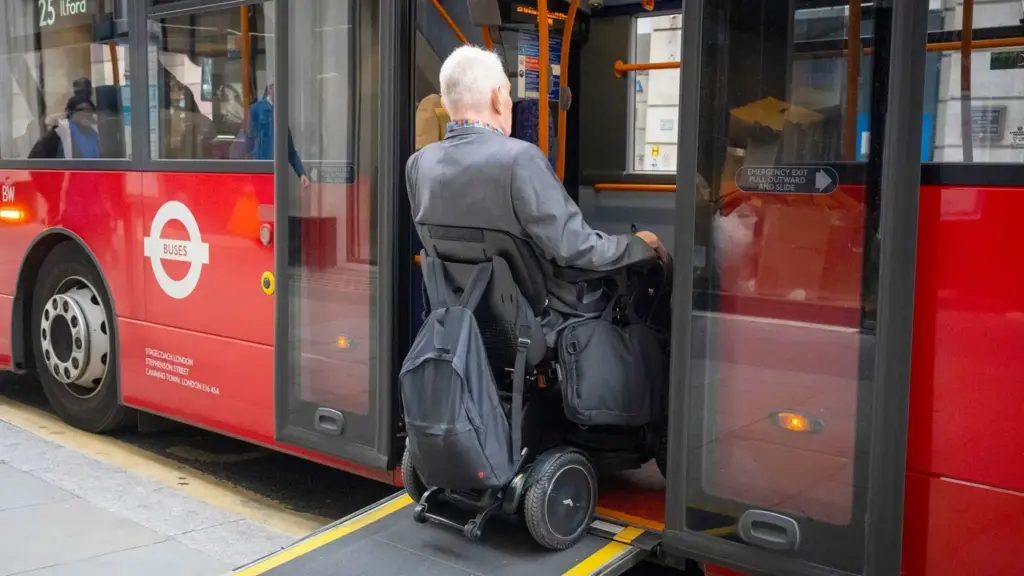
Starting April 1, disabled people across England will be able to travel by bus for free at any time of day, marking a monumental shift in the nation’s public transportation policy. Previously, free bus passes were restricted to off-peak hours on weekdays—specifically between 09:30 and 23:00. This long-standing limitation created significant barriers for pass holders attempting to commute to standard morning jobs, secure early educational placements, or attend late-night social and cultural events. The removal of these time limits will benefit an estimated one million people nationwide, effectively transforming bus travel from a restricted midday convenience into a true full-time lifeline for disabled citizens seeking full participation in public and economic life.
The sweeping policy reform follows a highly successful trial conducted within Greater Manchester’s integrated "Bee Network." It also serves as a direct response to years of dedicated campaigning by prominent disability rights organizations, including Scope and Transport for All. Advocates have widely celebrated the move for eliminating an unfair "postcode lottery," a fragmented system where pass validity, operating hours, and localized rules depended entirely on municipal boundaries and regional council discretion. However, while disability advocacy organizations have praised the national rollout as a historic victory, they emphasize that this reform is only a single step forward. They note that eligibility requirements and administrative processes across various regions still require broader standardization to ensure true equity for all disabled travelers regardless of where they live.
To make the program permanent and nationwide, the £60 million scheme is being jointly funded through the Department for Transport and the Department for Work and Pensions. Government officials are framing the reform as an essential workforce and cost-of-living initiative. This investment integrates seamlessly with existing transit measures, such as the nationwide £2 single-fare cap, and brings England into alignment with similar 24/7 concessionary transit programs that have been successfully operating in Scotland and Wales for years. By removing the morning restriction, the government hopes to unlock employment opportunities and reduce financial strain for thousands of disabled individuals who previously faced prohibitive commuting costs during peak hours.

Global Takeaways: How Other Countries Can Make Accessible Commuting Possible
Making daily commuting accessible and affordable for disabled citizens requires a careful combination of progressive policy design, reliable digital systems, and targeted public investment. Examining how national and regional governments implement these measures provides valuable lessons for transit authorities worldwide seeking to build more inclusive societies.
Why Was the UK Able to Do It?
The ability of the United Kingdom to enact this sweeping nationwide reform stems from a combination of centralized funding structures, robust legislative frameworks, and intense, sustained advocacy from civil society. By pooling resources from both the Department for Transport and the Department for Work and Pensions, the government demonstrated that national transit equity requires direct fiscal commitment from the highest levels of state administration. Furthermore, years of pressure from organizations like Scope and Transport for All kept the issue at the forefront of the political agenda, proving that coordinated public pressure can effectively dismantle archaic regulatory barriers. The prior success of localized trials, such as the Bee Network in Greater Manchester, also provided policymakers with a concrete operational blueprint, demonstrating that expanding concessionary hours is both financially viable and logistically manageable within a modern transit ecosystem.
Does It Depend on Existing Infrastructure?
Yes, heavily. Free transit passes only work if the public transport network is physically and technologically accessible to begin with. Concessionary fare policies, no matter how generous, lose their practical value if the underlying infrastructure prevents disabled passengers from boarding, navigating, or exiting the system safely.
Physical accessibility relies on universal design principles integrated into every facet of the transit network. This includes step-free access at stations and bus stops, functioning ramps and kneeling capabilities on all buses, clearly marked priority seating, and tactile paving for visually impaired commuters. Without these physical accommodations, a free pass remains a theoretical benefit rather than a practical tool for daily mobility.
Technological accessibility is equally vital for modern transit systems. Real-time arrival information must be available in multiple formats, including audio announcements, large-print visual displays, and screen-reader-compatible mobile applications. Furthermore, digital ticketing systems, smart card readers, and validation gates must be designed with ergonomics and accessibility in mind, ensuring that pass holders can navigate fare collection without facing physical or procedural hurdles.
What Is Needed to Make Commuting Affordable for People with Disabilities?
Ensuring that public transportation remains genuinely affordable and accessible for disabled citizens involves several fundamental components built into the core of transport policy.
First, structural financial support must be permanent and universally applied. Temporary trials and localized subsidies, while useful for testing purposes, create uncertainty and perpetuate regional inequalities. A reliable national framework ensures that financial relief is guaranteed regardless of economic fluctuations or changes in local government leadership.
Second, eligibility criteria must be transparent, streamlined, and standardized. A system plagued by bureaucratic hurdles, excessive paperwork, or conflicting regional definitions creates unnecessary stress for applicants and deters eligible individuals from claiming their rights. Clear, unified national standards ensure that moving from one region to another does not jeopardize a citizen’s access to essential transit services.
Third, public transport authorities must maintain continuous engagement with disability advocacy groups and the communities they serve. Policies formulated in isolation often overlook practical day-to-day challenges faced by commuters. By integrating user feedback directly into service planning, maintenance schedules, and infrastructure upgrades, transit agencies can ensure that financial investments translate into meaningful, long-term improvements in everyday mobility.