







The "profound autism" label has gained significant traction in recent years as a descriptive term for individuals on the more severe end of the spectrum, but a concerted effort is now underway to clarify exactly who qualifies for the designation. As the debate over categorization continues to shape clinical work, federal policy, and advocacy efforts, the medical and scientific communities are working toward a unified standard to ensure that those with the highest support needs are accurately identified and served.
The label first came to widespread prominence with a landmark 2021 proposal put forth by an international commission of autism researchers, service providers, self-advocates, and parents, which was published in the influential medical journal The Lancet. The commission sought to establish a distinct category within the broader autism spectrum to highlight the unique medical, educational, and lifelong support requirements of individuals with severe developmental and cognitive impairments.
Since that initial publication, however, researchers have utilized inconsistent criteria when attempting to study this specific population. Without a standardized definition, tracking trends, evaluating interventions, and designing effective support programs has proven challenging for scientists and policymakers alike.

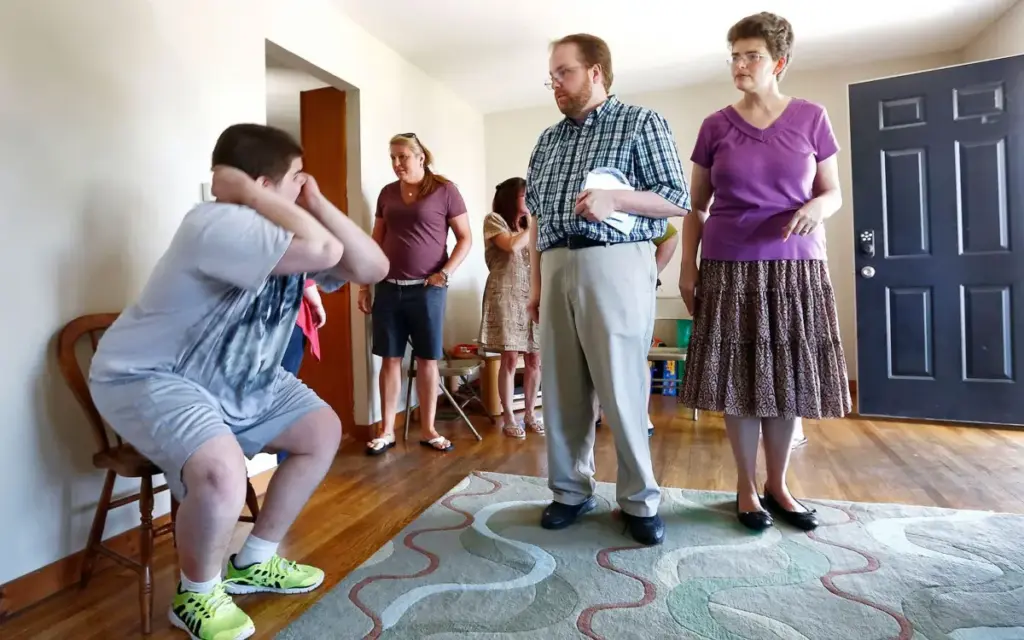
To address these discrepancies, a new proposal put forth this summer in the journal Molecular Autism seeks to establish a definitive consensus definition for profound autism. Under this proposed framework, the designation would apply to individuals who are at least eight years old with an autism diagnosis, who display adaptive functioning that is considered "well below age level," and who require ongoing adult supervision to ensure their daily health, safety, and overall wellbeing. Additionally, qualifying individuals must demonstrate severe cognitive impairment—defined clinically as an IQ score below 50—or lack verbal communication skills beyond the use of single words or fixed phrases.
The development of this consensus framework involved extensive input from more than 70 researchers, caregivers, individuals living with autism, and clinical professionals. When polled on the proposed criteria, 76 percent of the participants voted in favor of the framework, signaling a broad, if not universal, agreement among key stakeholders within the community.
Establishing a broadly accepted set of criteria is essential for the future of research and care, according to Judith Ursitti, cofounder and president of the Profound Autism Alliance. Ursitti explained that her organization, alongside the Autism Science Foundation, funded the study to establish a clear standard after the 2024 International Society of Autism Research annual meeting brought heightened attention to profound autism and high support needs. During these discussions, Ursitti observed that researchers were utilizing a wide variety of conflicting definitions in their work.
"These inconsistencies would not build the body of research needed to provide much needed progress for the population initially identified by The Lancet," Ursitti said. She emphasized that achieving clarity will ultimately help identify best practices and deliver individualized supports and services effectively across the entire spectrum.
In the wake of the study’s publication, Ursitti and her colleagues have been actively working to spread awareness of the consensus definition within the broader research community. Furthermore, the organization is engaging with lawmakers to encourage the adoption of these standardized criteria within federally funded research initiatives, ensuring that government-backed studies accurately reflect and target this specific demographic.
The push for a standardized definition aligns with growing recognition of how prevalent high-support needs are within the broader autistic population. A comprehensive study published in 2023 by the Centers for Disease Control and Prevention found that approximately 26.7 percent of children on the autism spectrum met criteria that would classify them as having profound autism.
More recently, the Interagency Autism Coordinating Committee, or IACC—a federal advisory panel charged with advising the secretary of health and human services and coordinating federal activities related to developmental disabilities—recommended that the federal government adopt a standardized functional research and policy designation for profound autism. The panel suggested that the term be utilized for research, federal policy, reporting, training, technical assistance, and program-planning purposes.
Despite these legislative and scientific pushes, not everyone within the broader autism community is on board with establishing or adopting the profound autism label. Critics raise significant concerns regarding potential negative consequences for individuals on the spectrum. A recent resource toolkit published by the Autistic Self Advocacy Network argues that the term "profound autism" ultimately harms autistic people by making it easier for institutions and policymakers to diminish or take away their rights. The advocacy group also contends that the label can make it harder for individuals to get their specific daily needs met while encouraging public pity rather than genuine inclusion and accommodation.
As discussions continue among researchers, policymakers, clinicians, and self-advocates, the debate over how to categorize, study, and support individuals with the highest level of need remains a central and evolving issue within the field of developmental disabilities.