







The term "profound autism" has gained significant traction in recent years as a descriptive label for individuals on the more severe end of the autism spectrum. However, despite its growing usage in clinical, academic, and policy discussions, researchers have often relied on varying criteria when attempting to study this specific population, prompting a fresh effort to clarify exactly who qualifies.
The label first rose to prominence following a landmark 2021 proposal put forth by an international commission comprising autism researchers, clinical service providers, self-advocates, and parents, which was published in the medical journal The Lancet. While the proposal successfully drew much-needed attention to the unique challenges faced by individuals with high support needs, the lack of a universally accepted operational definition led to fragmented research efforts. Different academic studies and clinical programs began applying their own unique standards to identify the cohort, complicating efforts to track outcomes, allocate resources, and measure progress.
To address these growing discrepancies, a new proposal published this summer in the journal Molecular Autism seeks to establish a firm, consensus-based definition that can be adopted uniformly across the scientific community.

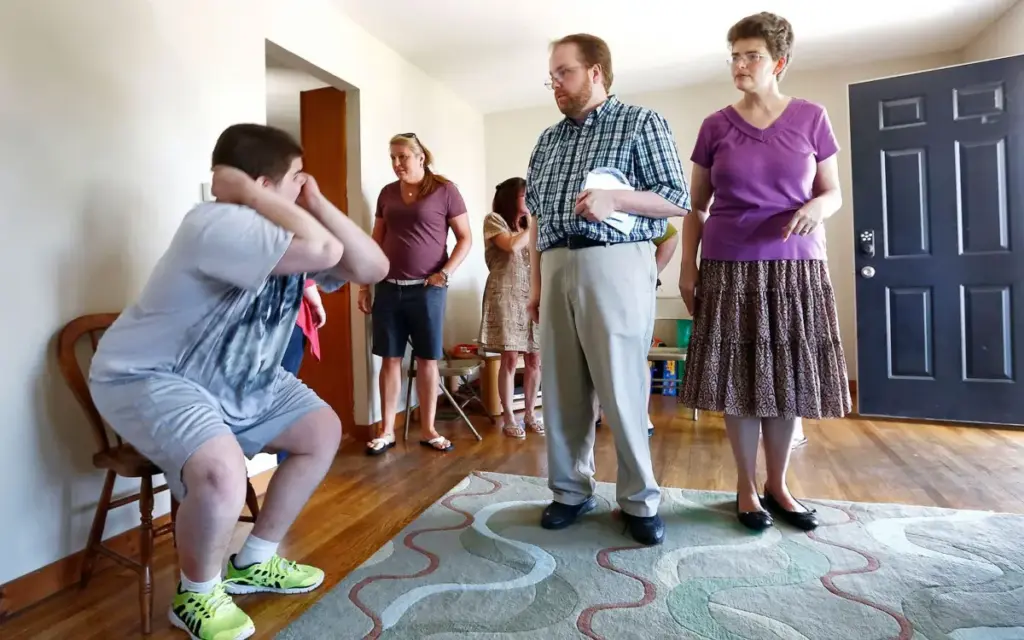
Under the newly outlined plan, the designation of "profound autism" would apply specifically to individuals who are at least 8 years old, possess a formal autism diagnosis, and demonstrate adaptive functioning that is considered "well below age level." Furthermore, qualifying individuals must require continuous adult supervision to ensure their daily health, safety, and overall wellbeing. In addition to these adaptive functioning criteria, candidates must present with severe cognitive impairment—traditionally marked by an IQ score below 50—or exhibit a complete lack of verbal communication beyond the use of single words or fixed, repetitive phrases.
The development of this consensus definition involved extensive collaboration. More than 70 international researchers, caregivers, individuals with autism, and clinical professionals weighed in on the framework, with an overwhelming 76% voting in favor of the proposal during the evaluation process.
Establishing a broadly accepted and standardized set of criteria is an essential step forward, according to Judith Ursitti, co-founder and president of the Profound Autism Alliance. Ursitti explained that her organization, alongside the Autism Science Foundation, directly funded the recent study to establish a reliable standard. The initiative was launched after the 2024 annual meeting of the International Society for Autism Research heavily spotlighted profound autism and high support needs, prompting Ursitti and her colleagues to notice that researchers were still utilizing a wide variety of disparate definitions.
These ongoing inconsistencies threaten to undermine the long-term validity of scientific literature in the field, Ursitti noted. She emphasized that such fragmentation ultimately hinders the accumulation of the robust body of research required to drive meaningful progress for the specific population initially brought to light by The Lancet commission. Clarity, she added, will ultimately help identify best practices and ensure that appropriate, individualized supports and services are delivered across the entire breadth of the autism spectrum.
As part of their ongoing advocacy efforts, Ursitti stated that her group is actively working to spread awareness of the consensus definition within the broader research community. Additionally, the alliance is engaging with lawmakers to encourage the adoption of these standardized criteria within federally funded research initiatives and public programs.
The push for a standardized definition coincides with growing institutional focus on the scale of severe autism within the general population. A prominent 2023 study conducted by the Centers for Disease Control and Prevention revealed that approximately 26.7% of children identified on the autism spectrum met the criteria for profound autism.
More recently, the Interagency Autism Coordinating Committee, a federal panel tasked with advising the secretary of health and human services and coordinating government activities related to developmental disabilities, formally recommended that the federal government adopt a standardized functional research and policy designation for profound autism. The panel suggested that the official label be utilized across various sectors, including federal research, public policy, statistical reporting, professional training, technical assistance, and long-term program-planning initiatives.
Despite the growing momentum among researchers, federal advisory panels, and advocacy groups, the effort to formalize the profound autism label is not without controversy, and not everyone within the broader disability community is on board with the initiative.
A recent informational toolkit released by the Autistic Self Advocacy Network raises significant concerns regarding the push for the label. The organization argues that the adoption of the term "profound autism" ultimately harms autistic people by creating systemic vulnerabilities. According to the advocacy group, specialized labels can make it easier for institutions to infringe upon individual rights, potentially make it more difficult for certain people to secure necessary services and accommodations, and inadvertently foster a culture of public pity rather than empowerment and inclusion.