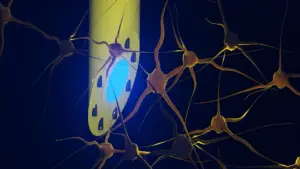
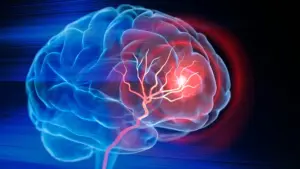








In a significant development for neurological medicine, researchers at the University of Birmingham have unveiled a potential new strategy to curb harmful neuroinflammation—a condition that underpins some of the most challenging brain disorders in modern medicine. By targeting a specific receptor known as P2X7, which is already the subject of existing pharmaceutical research, the team has demonstrated a way to significantly dampen inflammatory responses in human brain tissue. This discovery, recently published in the journal Brain, offers a promising pathway for repurposing established therapeutic agents to treat conditions ranging from Alzheimer’s disease and Parkinson’s to traumatic brain injury (TBI) and various psychiatric illnesses.
Led by Professor Nicholas Barnes, the research team focused on the P2X7 receptor, a protein that plays a critical role in the signaling pathways that trigger inflammation. While inflammation is a natural biological response to injury or infection, chronic or uncontrolled neuroinflammation is increasingly recognized as a primary driver of neurodegeneration and psychiatric decline. The ability to modulate this receptor represents a major shift in how clinicians might soon approach the management of brain health, moving toward treatments that address the underlying inflammatory cascade at its source.
Blocking a Key Driver of Brain Inflammation
To understand the mechanics of the P2X7 receptor, the Birmingham team employed a multi-faceted approach, utilizing both live cultures of human brain cells and actual slices of human brain tissue obtained during neurosurgical procedures. This methodology allowed the researchers to observe the receptor in a clinical context rather than relying solely on animal models, which often fail to replicate the complexity of the human central nervous system.
The researchers identified that P2X7 receptors are instrumental in promoting the release of cytokines. Cytokines are small, specialized proteins that function as signaling molecules, regulating the body’s inflammatory responses. In the context of the brain, the overproduction of these proteins can lead to a sustained, damaging inflammatory state. When the research team introduced a specific antagonist—a substance designed to block the activity of the receptor—they observed a significant reduction in the inflammatory response within the human brain tissue samples.
Professor Nicholas Barnes, who serves as a lead researcher at the University of Birmingham’s College of Medicine and Health, emphasized the strategic importance of this discovery. "This exciting discovery marks a major step toward repurposing existing therapeutics to combat neuroinflammation at its source," Barnes noted. "The identification of this receptor could have far-reaching implications for some of the most debilitating and widespread brain disorders such as Alzheimer’s Disease, Parkinson’s and Multiple Sclerosis, or inflammation-linked psychiatric conditions like schizophrenia and depression."
By focusing on a receptor that is already well-understood and pharmacologically targetable, the research team is effectively fast-tracking the potential for clinical application. The prospect of utilizing existing drugs to address these conditions could drastically reduce the time and cost typically associated with drug development, potentially bringing new hope to patients who currently lack effective pharmacological options.
Studying the Brain’s Immune Cells
Central to this research is the role of microglia—the brain’s resident immune cells. Microglia act as the primary defense mechanism within the central nervous system, constantly monitoring the environment for signs of damage, infection, or cellular distress. When they detect a threat, they coordinate a response that includes the release of signaling molecules intended to protect the brain. However, in many chronic conditions, these cells become hyper-activated, contributing to the very damage they are meant to prevent.
One of the most persistent hurdles in neuroscience has been the difficulty of studying these cells in a laboratory setting. Once microglia are removed from the native environment of the brain, they typically lose their unique functional characteristics, likely because they are deprived of the critical regulatory signals present within the living brain. To overcome this, Professor Barnes and his colleagues developed a sophisticated method for converting peripheral human monocytes—a type of white blood cell—into microglia-like cells.
This innovative technique mirrors a cellular transformation process that has recently been observed to occur naturally in the human brain as it ages. By starting with human peripheral monocytes collected from standard blood samples, the researchers were able to create a scalable and highly precise platform for examining human microglial biology.
"Studying human microglia has long been a major challenge," Professor Barnes explained. "Our approach involved the use of monocyte-derived microglia which provide a powerful, scalable, and virtually unlimited platform for studying human microglial biology with unprecedented precision."
By using these lab-grown cells, the team was able to witness the inflammatory signaling pathway in real-time. Specifically, they applied the P2X7 receptor antagonist to the microglia-like cells and observed how it interfered with the signals released by the cells as they underwent damage and subsequent death. This successful intervention provided the evidence needed to confirm that the P2X7 receptor is not merely a bystander, but a primary engine of the inflammatory process.
From Lab Models to Human Brain Tissue
The journey from a laboratory model to a viable clinical treatment is often where promising research stalls. However, the University of Birmingham team took the critical step of validating their findings using human brain tissue. This transition was essential for confirming that the mechanisms observed in the monocyte-derived microglia were representative of the biological reality in the human brain.
By testing the P2X7 receptor antagonist on actual brain tissue obtained during neurosurgical procedures, the researchers were able to bridge the gap between controlled cellular experiments and the complex reality of human neurobiology. The successful replication of their results in these tissue samples has provided the necessary impetus to advance the research toward the next, most critical phase: clinical trials.
The implications for clinical medicine are vast, particularly for conditions where neuroinflammation is a major component but no effective treatment currently exists. For instance, in cases of traumatic brain injury, the initial trauma is often followed by a secondary inflammatory response that causes further, long-term damage to brain tissue. By inhibiting the P2X7 receptor shortly after injury, clinicians may be able to limit this secondary cascade, potentially improving outcomes for patients who have suffered brain trauma.
Similarly, for patients suffering from neurodegenerative diseases like Alzheimer’s and Parkinson’s, where chronic inflammation is a known contributor to disease progression, the ability to modulate the P2X7 receptor could offer a way to slow the rate of cognitive and physical decline. The team is now looking toward developing clinical trials that will test these existing drugs in human patients, marking a transition from fundamental scientific discovery to practical, life-changing medicine.
"Having identified the response in the human monocyte-derived microglia, this provided the impetus to translate these findings with human brain obtained following neurosurgical procedures," Professor Barnes stated. "This successful translation means the next stage for this research is the development of clinical trials in patients with neurodegenerative conditions and patients with TBI where there are no effective pharmacological treatments to reduce the neuroinflammation and arising damage."
As the research moves toward these clinical milestones, the scientific community is keeping a close watch on the P2X7 receptor. By leveraging existing drugs and combining them with a deeper understanding of how the brain’s own immune system responds to injury, the University of Birmingham team has opened a door to a new era of neuro-immunology. While the road to widespread clinical application remains ahead, the identification of a clear, targetable mechanism for reducing brain inflammation provides a tangible path forward for patients suffering from some of the most difficult-to-treat conditions in neurology and psychiatry.