










WASHINGTON, DC — ZERO TO THREE, the nation’s leading early childhood development nonprofit dedicated to ensuring that all infants and toddlers have a strong and healthy start in life, has expressed strong encouragement regarding President Biden’s proposed fiscal year 2025 budget. The organization noted that the federal spending blueprint includes essential and much-needed funding for public programs that lay a vital foundation for young children and their families across the United States.
According to advocacy leaders at the nonprofit, the federal proposals demonstrate a meaningful commitment to addressing the multifaceted needs of infants, toddlers, and the adults who care for them. The organization has long maintained that public policy must actively prioritize the earliest years of human development, arguing that investments made during infancy yield profound, lifelong benefits for individuals and society as a whole.
A Vision for Empowered Families
Miriam Calderón, Chief Policy Officer at ZERO TO THREE, highlighted the potential impact of the newly released fiscal blueprint during a statement responding to the federal policy announcement.

“If implemented, President Biden’s budget released today will make our nation a better and fairer nation to have and raise a baby,” said Calderón. “ZERO TO THREE has urged Congress and the Administration to prioritize the needs of babies and their families in five key areas: maternal health, infant and early childhood mental health, child care, housing, and economic security.”
Calderón pointed out that the new federal budget directly builds upon themes previously underscored by the administration, pointing specifically to the recent State of the Union address delivered by the President. During that address, the administration laid out a broader strategic path toward a future where working families feel fully empowered and are given genuine choices regarding their children’s upbringing and future well-being.
“The President laid out a path toward a future where families are empowered and have choices about their baby’s future,” Calderón added. “This proposed budget expands on this vision with proposals that address all facets of young children’s development.”
Core Priorities for Early Childhood Development
The endorsement by ZERO TO THREE centers on how the federal spending plan addresses the interconnected challenges facing modern American families. Child development experts and public health advocates have consistently emphasized that a baby’s well-being cannot be separated from the health, economic stability, and security of their primary caregivers and communities.
The administration’s budget proposal incorporates specific federal investments designed to bolster family stability, expand access to critical health services, and ensure that infants grow up in safe, nurturing environments. By targeting key structural components of early childhood support—ranging from maternal health outcomes to stable housing and high-quality child care—the budget reflects a comprehensive approach to supporting the nation’s youngest population.

For years, research in neuroscience and early childhood education has established that a child’s brain develops at an astonishing rate during the first three years of life. Experiences, relationships, and environments during this crucial window shape neural pathways that influence learning, behavior, and physical and mental health for decades to come. Advocates like ZERO TO THREE view federal fiscal policy not merely as an accounting exercise, but as a direct reflection of national priorities concerning the future health and prosperity of the workforce and society.
The Path Forward in Congress
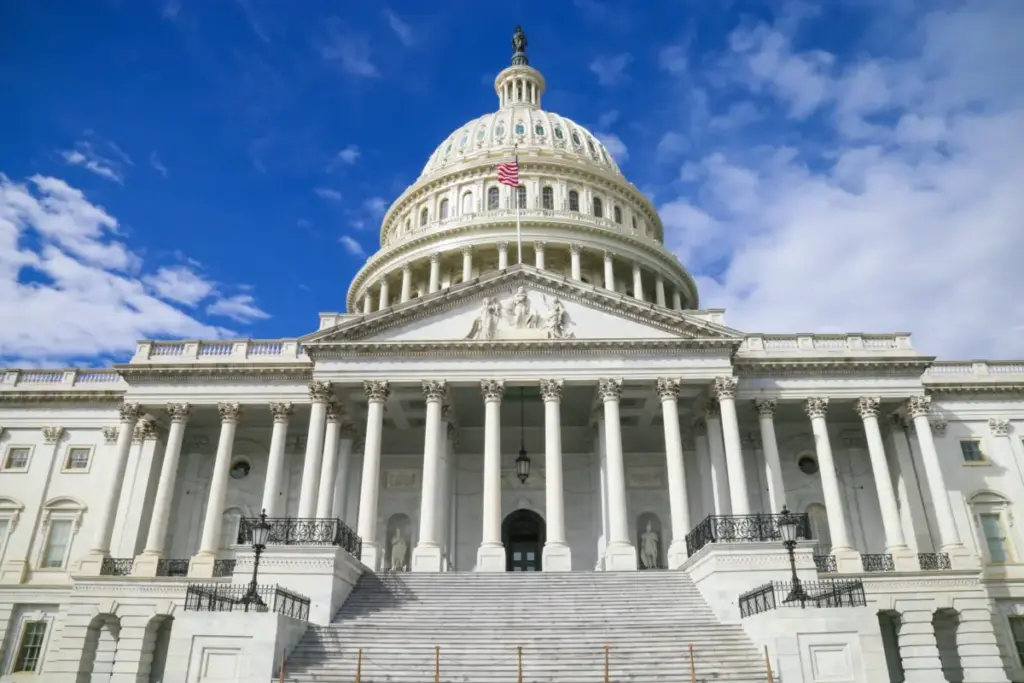
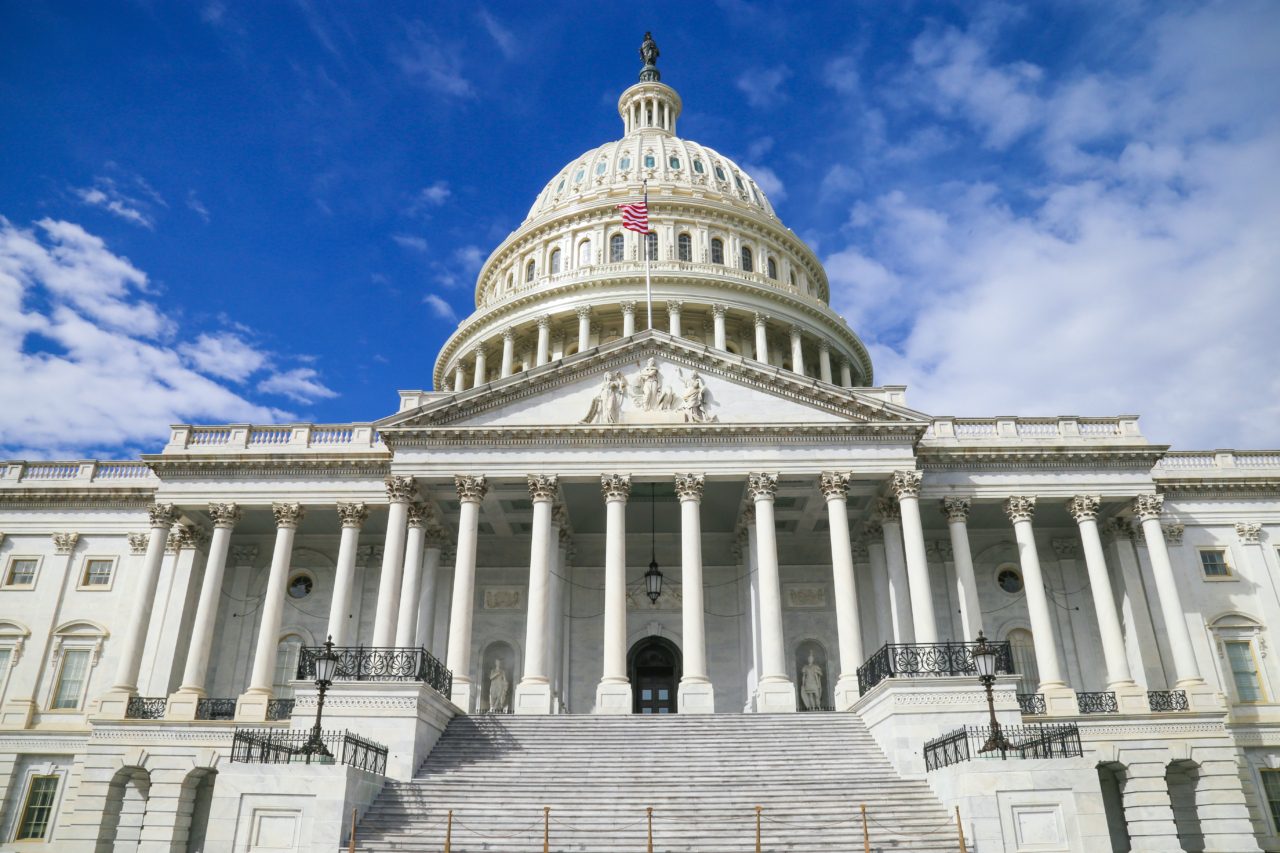
With the release of the President’s fiscal year 2025 budget proposal, the focus now shifts entirely to Capitol Hill, where lawmakers must review, negotiate, and ultimately pass federal appropriations bills. The budget serves as the opening salvo in a complex legislative process that requires cooperation and consensus between the executive branch and bipartisan members of Congress.
Emphasizing the urgency of the legislative road ahead, Calderón called on federal lawmakers to seize the opportunity to enact meaningful change for the country’s youngest citizens.
“Now, Congress must work with the Administration to deliver for families and babies,” Calderón said. “We look forward to working with Congressional appropriators and our baby champions on the Hill to make these bold proposals a reality.”

As the appropriations process moves forward in the coming months, child advocacy organizations, community leaders, and policy experts will continue to monitor legislative developments closely. They aim to ensure that funding levels for foundational early childhood programs remain protected and prioritized amidst broader federal budget negotiations.