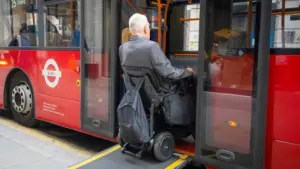







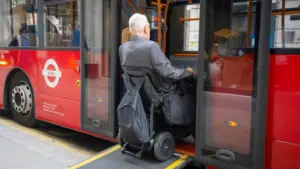


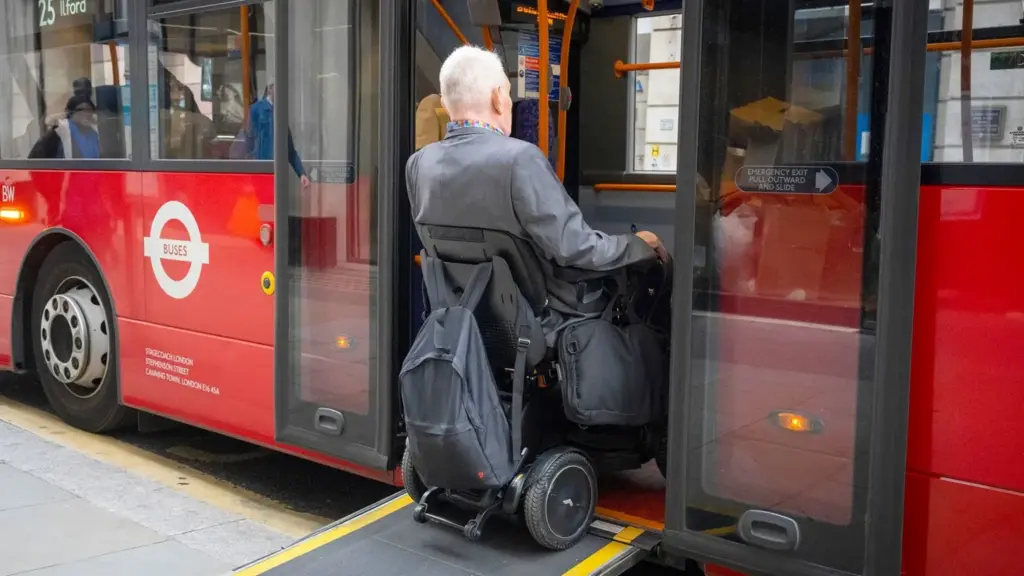
Starting April 1, disabled people across England will be able to travel by bus for free at any time of day, marking a major milestone for public transit accessibility and equity. Previously, free bus passes were restricted to off-peak hours on weekdays, specifically limited between 09:30 and 23:00. These legacy restrictions frequently created severe logistical barriers, making it difficult for pass holders to commute to standard morning jobs, attend early professional commitments, or participate in late-night events and social activities.
The removal of these time limits will benefit an estimated one million people nationwide, transforming local bus networks from a limited concession into a true full-time lifeline. By removing the clock restrictions, the policy acknowledges that the modern workforce, social schedules, and daily responsibilities of disabled citizens do not operate on off-peak timetables.
The nationwide reform follows a highly successful trial period in Greater Manchester’s integrated public transport system, known locally as the "Bee Network." The positive outcomes observed during this regional pilot provided policymakers with the empirical backing needed to roll the initiative out across the entire country. Furthermore, the decision responds directly to years of persistent campaigning by prominent disability rights organizations, including Scope and Transport for All.

Advocates have enthusiastically celebrated the move for eliminating what many described as an unfair "postcode lottery," where the validity, timing, and extent of concessionary passes previously depended heavily on localized municipal rules and regional funding budgets. Under the new national standard, the rules will apply uniformly, ensuring that a pass holder traveling in one part of England enjoys the same operational rights as someone traveling in another.
However, while disability organizations have praised the government for dismantling the time barriers, they emphasize that this reform is only one crucial step forward. Advocates note that eligibility requirements across different local authorities still require broader standardization to ensure complete fairness and transparency for all applicants nationwide.
To make the program permanent and sustainable, the £60 million scheme is being jointly funded through the Department for Transport and the Department for Work and Pensions. Government officials have framed the reform as an essential workforce participation and cost-of-living initiative. This policy joins existing transit measures, such as the nationwide £2 single-fare cap, and successfully brings England into alignment with similar 24/7 concessionary transit programs that have been operating successfully in Scotland and Wales for years.
Global Takeaways: How Other Countries Can Make Accessible Commuting Possible
Making daily commuting accessible and affordable for disabled citizens requires a comprehensive combination of thoughtful policy design, integrated digital systems, and targeted public investment. The transition in England offers clear lessons on how coordinated governmental action can dismantle structural barriers in public transportation networks.
Why Was the UK Able to Do It?
The ability of the United Kingdom to enact this nationwide reform stems from a combination of centralized funding mechanisms, regional pilot programs, and relentless advocacy from civil society groups. By leveraging insights from Greater Manchester’s "Bee Network" trial, policymakers were able to demonstrate the practical viability of 24/7 concessionary travel. Furthermore, the commitment of joint funding from both the Department for Transport and the Department for Work and Pensions demonstrated that accessible public transit is deeply intertwined with broader economic goals, such as workforce participation and poverty reduction. Aligning English policy with existing frameworks in Scotland and Wales also created a political precedent that made nationwide implementation both logical and politically achievable.
Does It Depend on Existing Infrastructure?
Yes, heavily. Free transit passes only work if the public transport network is physically and technologically accessible to begin with. Concessionary fare policies are fundamentally limited if the underlying infrastructure cannot support disabled travelers. This means transit systems must feature physical accessibility improvements such as low-floor buses, functional wheelchair ramps, audible and visual next-stop announcements, and step-free boarding access at major transit hubs. Additionally, modern ticketing technology, digital passenger information systems, and reliable real-time tracking are critical components that ensure pass holders can plan, navigate, and execute their journeys independently and with confidence. Without these foundational infrastructure elements, free travel policies risk remaining theoretical for many of the citizens who need them most.
What Is Needed to Make Commuting Affordable for People with Disabilities?
Achieving true affordability and accessibility in public transportation requires a multi-layered approach that goes beyond simply eliminating fares during specific hours. First, governments must establish universal funding models that remove financial burdens from local municipalities, thereby ending regional disparities and postcode lotteries. Second, transit authorities must standardize eligibility criteria across all jurisdictions to ensure that citizens do not lose their benefits simply by crossing regional borders. Third, continuous capital investment must be directed toward upgrading vehicle fleets and station infrastructure to meet modern disability standards. Finally, policymakers must maintain an ongoing dialogue with disability advocacy groups and transit users to identify emerging operational bottlenecks, adapt to changing workforce demands, and ensure that public transit systems remain genuinely inclusive, affordable, and reliable for every member of society.