
WASHINGTON, DC — ZERO TO THREE, the nation’s leading early childhood development nonprofit dedicated to ensuring that all infants and toddlers are given a strong and equitable start in life, has expressed strong encouragement regarding President Biden’s proposed fiscal year 2025 budget. The organization highlighted that the newly released federal spending plan incorporates essential and long-overdue investments designed to build a solid foundation for young children, working families, and communities across the United States.
According to advocacy leaders, the financial blueprint laid out by the administration directly addresses the critical needs of America’s youngest population by targeting areas that have historically been underfunded or overlooked in federal policy debates. By centering infants and toddlers in the national conversation, the proposed budget signals a growing recognition that the earliest years of human development are foundational to long-term societal and economic well-being.
The announcement comes on the heels of the administration’s broader policy outlines, including themes emphasized during recent national addresses that highlighted the importance of supporting families from the very beginning of a child’s life. ZERO TO THREE and other child advocacy organizations have consistently pushed for federal lawmakers to take comprehensive action to alleviate the pressures facing parents and caregivers in modern society.

“If implemented, President Biden’s budget released today will make our nation a better and fairer place to have and raise a baby,” said Miriam Calderón, Chief Policy Officer at ZERO TO THREE.
Calderón pointed out that the organization has long urged both Congress and the administration to center the needs of babies and their families around five essential pillars of early childhood policy: maternal health, infant and early childhood mental health, high-quality child care, stable housing, and broad economic security. These five areas form the core of the organization’s ongoing initiative to track and improve outcomes for young children across the country, as detailed in their ongoing national and state-level analyses.
“In last week’s State of the Union address, the President laid out a path toward a future where families are empowered and have choices about their baby’s future,” Calderón continued, noting that the vision articulated by the administration connects directly to tangible policy mechanisms found within the detailed budget documents. “This proposed budget expands on this vision with proposals that address all facets of young children’s development, ensuring that our public investments match our stated values when it comes to supporting the next generation.”
The proposed federal budget outlines a series of targeted investments aimed at bolstering family support systems, improving health outcomes for mothers and infants, and expanding access to vital early childhood infrastructure. These provisions are designed to work in tandem, creating a safety net and a springboard for families navigating the often challenging transition into parenthood and the critical first thousand days of a child’s life.
Child development experts have repeatedly emphasized that interventions during infancy and toddlerhood yield the highest return on investment for society, influencing everything from educational attainment and emotional resilience to lifelong physical health and economic productivity. The inclusion of dedicated funding streams for infant and early childhood mental health, for instance, represents a crucial acknowledgment that emotional and psychological well-being begins long before a child enters kindergarten.
Furthermore, the emphasis on maternal health within the budget proposal addresses a pressing national crisis. The United States continues to face disproportionately high rates of maternal mortality and morbidity compared to other developed nations, with severe disparities impacting women of color and low-income families. By proposing increased resources for maternal health initiatives, the budget seeks to curb preventable complications and ensure that mothers receive comprehensive care before, during, and after childbirth, which in turn directly benefits their infants.

Economic security and housing stability, two additional pillars highlighted by ZERO TO THREE, are equally vital components of the administration’s spending plan. Financial stress and housing instability are known toxic stressors that can disrupt early brain development and impair family functioning. Programs that provide economic relief and secure housing to families with young children help mitigate these risks, creating a more stable environment in which infants and toddlers can grow, learn, and thrive.
Child care infrastructure also remains a cornerstone of the national debate surrounding family support. With the cost of care skyrocketing and availability shrinking into child care deserts across many parts of the country, working parents frequently struggle to maintain employment while providing safe, nurturing environments for their children. The budget’s focus on expanding access to affordable, high-quality child care is viewed by advocates as an essential step toward stabilizing the workforce and supporting early learning simultaneously.
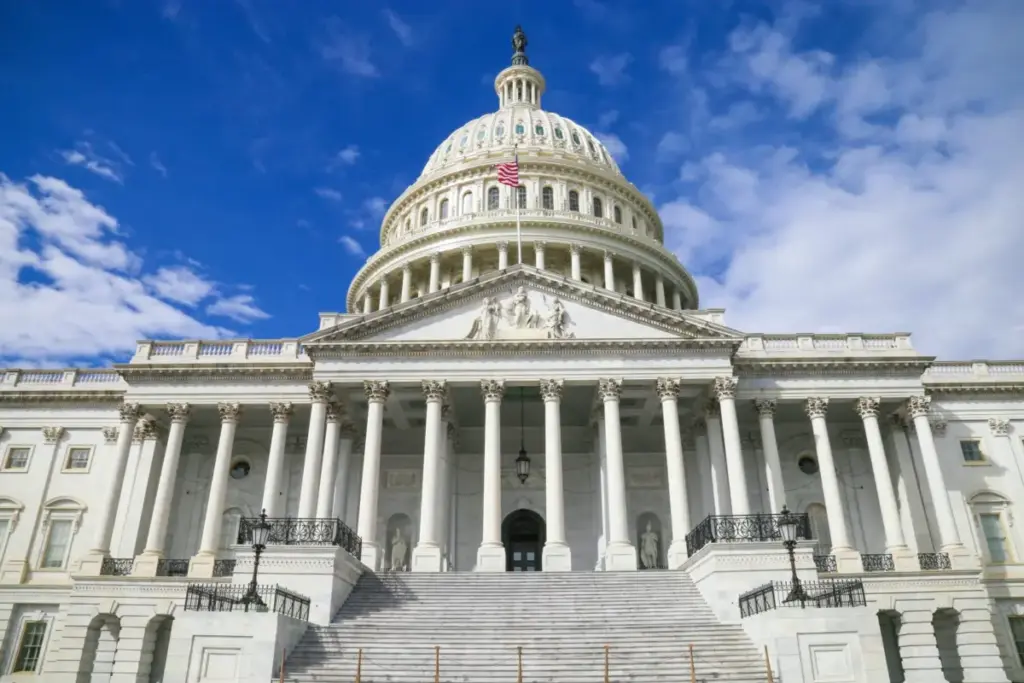
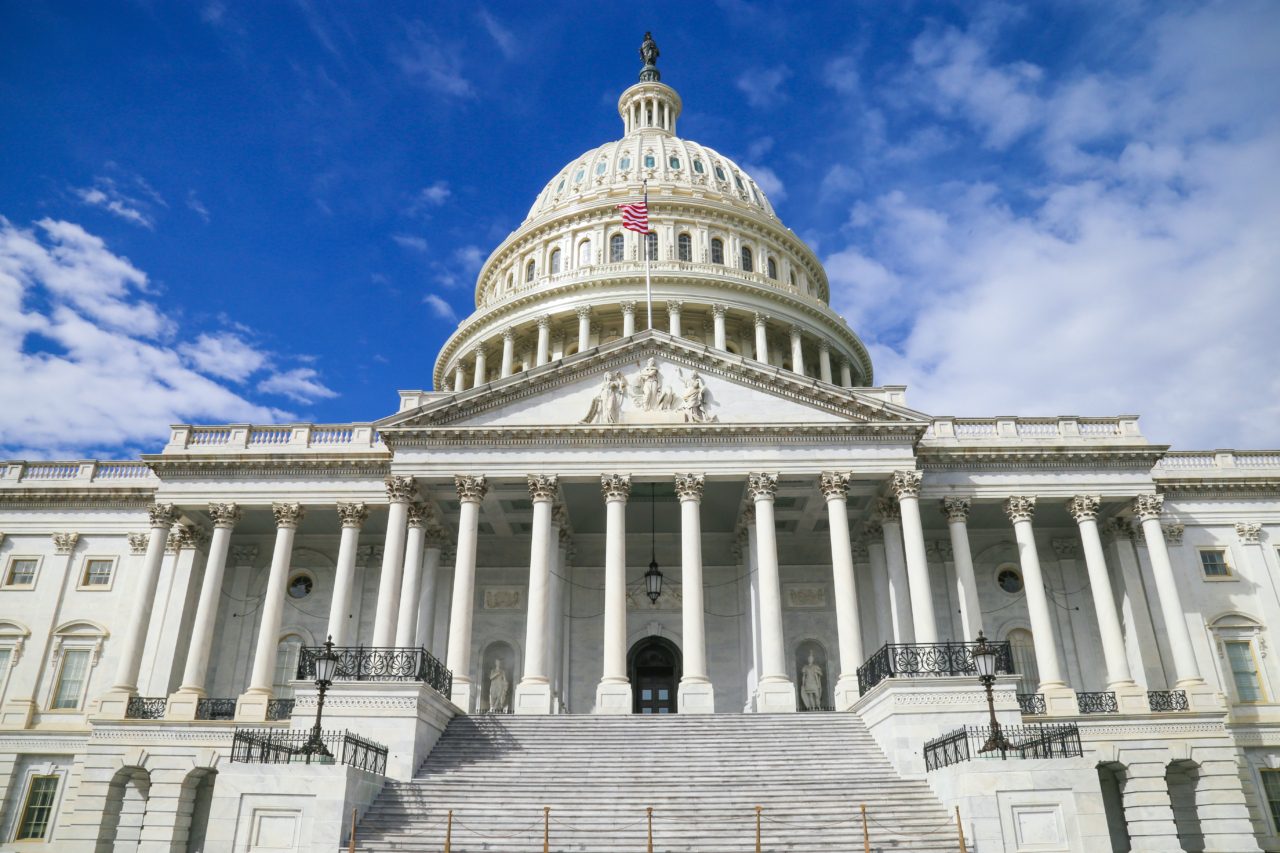
As the federal budget process moves forward, the focus shifts decisively to Capitol Hill, where lawmakers will debate, modify, and ultimately vote on the spending measures required to fund the federal government for the upcoming fiscal year. While the administration’s proposal sets a clear policy agenda, the realization of these goals depends entirely on the willingness of Congress to prioritize these investments in the final appropriations bills.
ZERO TO THREE has made it clear that its nationwide network of advocates, professionals, and families will be actively engaged in urging legislators to support the child-focused provisions within the budget. The organization views the upcoming months as a critical window of opportunity to secure bipartisan backing for policies that protect and nurture young children.
“Now, Congress must work with the Administration to deliver for families and babies,” Calderón emphasized as she outlined the next steps for the advocacy community. “We look forward to working with Congressional appropriators and our baby champions on the Hill to make these bold proposals a reality.”

The path ahead involves rigorous negotiations among lawmakers representing diverse geographic regions and political viewpoints. However, advocates remain hopeful that the universal appeal of supporting babies and strengthening families can bridge political divides, leading to meaningful legislative outcomes that reflect the needs of the nation’s youngest citizens.
As the discussions unfold in Washington, organizations like ZERO TO THREE will continue to provide research, expert testimony, and grassroots mobilization to ensure that the voices of infants, toddlers, and their parents remain front and center in the national legislative agenda. The ultimate fate of the fiscal year 2025 budget will serve as a significant indicator of the nation’s collective commitment to the future well-being of its children.