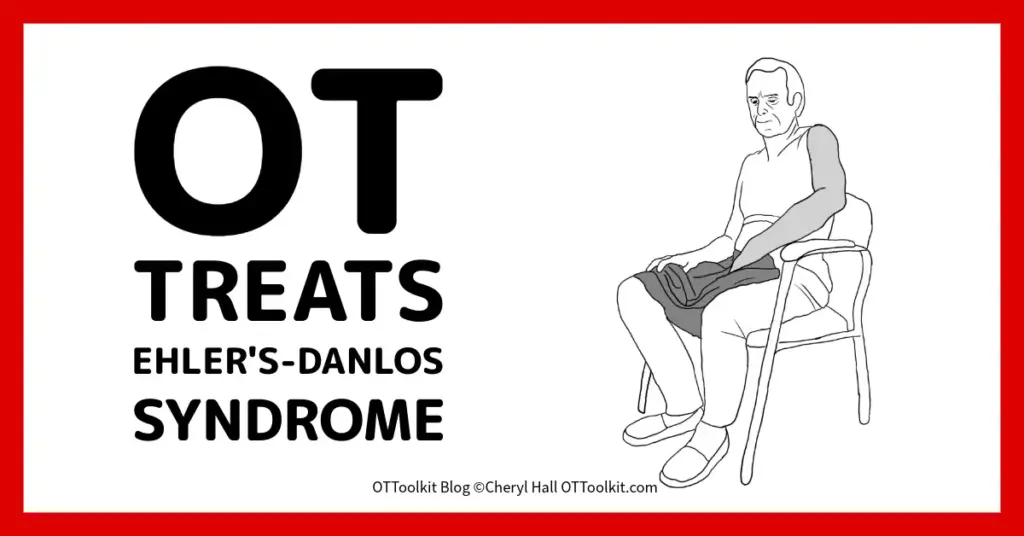
The Occupational Therapy Toolkit, a widely utilized resource for clinicians, is set to expand its scope of clinical guidance following a recent request from the professional community. Cheryl, the creator of the Toolkit, recently shared her plans to develop a dedicated treatment guide for Ehlers-Danlos Syndrome (EDS) in the next edition of her resource manual. The decision follows an insightful email from an occupational therapist practicing in Tennessee, who highlighted the need for specialized materials to support patients navigating the complex, multisystem challenges associated with this connective tissue disorder.
While Ehlers-Danlos Syndrome is classified as a rare condition—one that Cheryl noted she did not personally encounter during her own time in active clinical practice—the rising awareness of the disorder and the vital role occupational therapy plays in its management made the inclusion of a specific treatment guide a priority. Because the 8th edition of the Occupational Therapy Toolkit was released in 2024, the comprehensive guide for EDS will be a primary focus for future updates. In the interim, this discussion serves to bridge that gap, offering an overview of how occupational therapists can effectively intervene to ease symptoms, foster independence, and significantly improve the quality of life for patients living with the condition.
Understanding the Clinical Scope of Ehlers-Danlos Syndrome
Ehlers-Danlos Syndrome is a complex group of connective tissue disorders characterized by a dysfunction in how the body produces and utilizes collagen, which serves as the fundamental structural protein in the human body. Because collagen is ubiquitous—providing strength and elasticity to skin, joints, blood vessels, and internal organs—the effects of EDS are inherently systemic. Currently, medical science has identified 13 distinct types of the syndrome, each linked to specific genetic causes.

For the occupational therapist, the clinical presentation of an EDS patient can be remarkably diverse. However, several hallmark symptoms are frequently encountered. Joint hypermobility, coupled with chronic joint instability and pain, is perhaps the most common challenge. This is often accompanied by skin that is highly fragile, prone to tearing, bruising, or stretching. Beyond the musculoskeletal impact, patients frequently report systemic issues that can drastically impair their daily function, including debilitating fatigue, dizziness upon standing—often associated with autonomic dysfunction—and a variety of complex digestive concerns. Recognizing these symptoms is the first step in creating a tailored therapeutic environment that addresses both the physical and physiological barriers to daily living.
Key Occupational Therapy Interventions for EDS Patients
Occupational therapy is uniquely positioned to address the multifaceted nature of EDS. By focusing on function, safety, and energy management, therapists can provide patients with the tools necessary to navigate their environments more successfully.
One of the foundational pillars of treatment is joint protection. Because EDS patients often experience painful hyperextension and chronic joint pain due to laxity, therapists can play a transformative role by modifying daily tasks to reduce unnecessary stress on joints. This includes instructing patients in safe techniques for movement and the design or fitting of specialized splints that provide the external stability the body’s internal connective tissues cannot.
Energy conservation is another critical area of focus. The fatigue experienced by those with EDS is often chronic and overwhelming. Occupational therapists work closely with patients to implement pacing and planning strategies, ensuring that the demands of the day do not exceed the patient’s capacity. By breaking down complex tasks into manageable components and modifying how those tasks are performed, therapists help patients maintain a higher level of independence without triggering systemic exhaustion.

In addition to these direct interventions, adaptive equipment plays a vital role. Whether it is assisting with mobility to prevent falls or modifying home and work environments to reduce physical strain, the right equipment can provide a safety net that allows for greater community engagement. Ergonomics is equally important; therapists evaluate the patient’s school, work, and home settings to ensure an optimal setup. This involves making specific recommendations for software or hardware that minimizes repetitive movements, which can be particularly damaging to hypermobile joints.
Furthermore, proprioception—the body’s ability to sense its position, movement, and location in space—is frequently compromised in individuals with EDS. When the joints are overly flexible, the brain receives inaccurate feedback about where limbs are located, which can lead to clumsiness or injury. Occupational therapists use targeted, gentle exercises to improve proprioceptive awareness, helping to protect joint health and improve coordination in a way that is safe for the patient’s unique physiology.
Managing Co-occurring Symptoms and Multidisciplinary Care
The care of a patient with EDS rarely stops at the musculoskeletal system. The condition is often accompanied by a host of co-occurring symptoms, including sleep disturbances, significant mental health challenges, chronic migraines, and various autoimmune or gastrointestinal issues. Occupational therapists are well-equipped to provide strategies to manage these complications. By offering interventions that address the intersection of mental health and physical pain, or by suggesting environmental modifications to manage sleep quality, OTs provide a holistic layer of support that complements the care provided by other medical specialists.
While the current version of the Occupational Therapy Toolkit does not yet house a dedicated EDS treatment guide, the resource remains a robust, valuable tool for clinicians treating these patients. Its existing collection of therapeutic exercise handouts, ADL (Activities of Daily Living) and mobility aids, and broad educational materials provide a strong foundation upon which therapists can build a comprehensive treatment plan.
For professionals seeking deeper knowledge, the Ehlers-Danlos Society stands as a primary resource. Their platform offers extensive information for healthcare professionals, including continuing education modules, the latest clinical research, and a directory of medical experts specializing in the syndrome. Engaging with these resources, combined with the practical, functional approach of occupational therapy, ensures that patients with EDS receive the nuanced, empathetic, and evidence-based care they require.
The initiative to include EDS in the next edition of the Toolkit highlights the importance of the feedback loop between the author and the practicing community. Cheryl continues to encourage OTs to reach out with suggestions, ideas, and observations from the field. By maintaining an open channel of communication, the Occupational Therapy Toolkit ensures that its resources remain relevant, evolving alongside the needs of the clinicians who use them and the patients they serve. Whether it is through a direct email or a request for new handouts, every suggestion helps shape a more inclusive and effective future for the profession.