









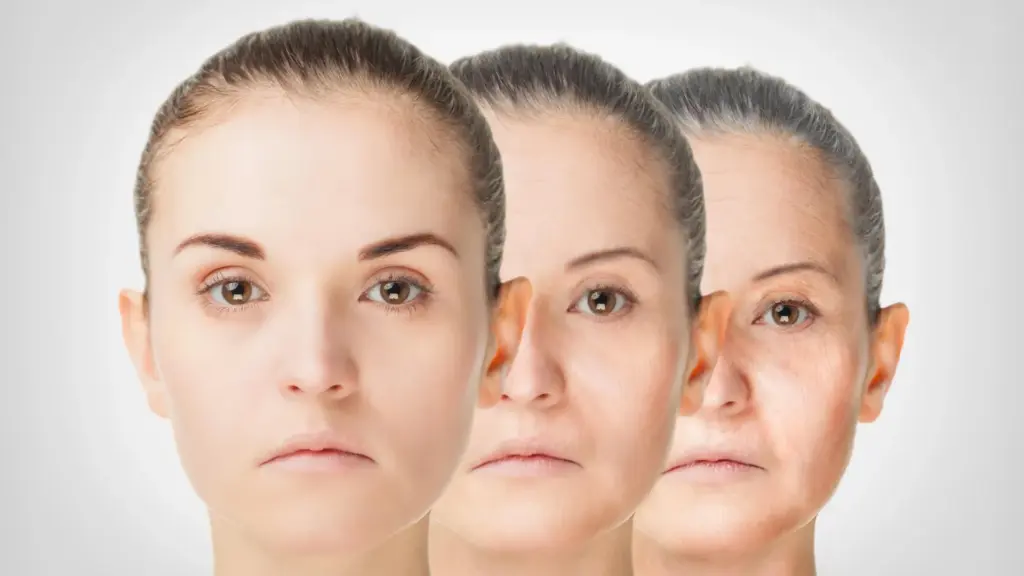
What if the systemic decline we associate with getting older—the fading memory, the loss of muscle and bone mass, and the thinning of our skin—isn’t just the result of time wearing down our cells, but the consequence of a single protein disappearing from a hidden control center in the brain? This provocative question has shifted the landscape of aging research, as scientists uncover evidence that the brain acts as a command center for the aging process throughout the entire body.
In a landmark study published in PLOS Biology in March 2023, a research team led by Lige Leng of Xiamen University in China identified a critical protein called Menin. When they restored this protein in the brains of older mice, the animals experienced a remarkable transformation. Within just 30 days, these mice showed improvements in memory, balance, bone density, and even skin thickness. Perhaps even more surprising, the researchers found that supplementing the animals with a specific, naturally occurring amino acid could sharpen their cognitive abilities in as little as three weeks. These findings have opened a new window into the biology of aging, suggesting that some of its most debilitating effects might be reversible by targeting specific neurological pathways.
The Hypothalamus: The Body’s Aging Command Center
To understand why a protein in the brain can affect everything from bone mass to skin health, one must look at the hypothalamus. Located near the base of the brain, this small but mighty region serves as the body’s primary regulator. It is responsible for maintaining the delicate balance of essential functions, including body temperature, metabolic rate, hunger, sleep cycles, and the intricate production of hormones. Because the hypothalamus exerts influence over nearly every organ system, even subtle shifts in its function can have profound, cascading effects on the rest of the body.
In recent years, the scientific community has increasingly identified the hypothalamus as a vital player in the aging process. A primary culprit in this decline is neuroinflammation—the brain’s inflammatory response. While inflammation is a necessary defense mechanism against infection and injury, chronic, low-grade inflammation in the brain can disrupt normal cellular signaling and contribute to the gradual deterioration we recognize as aging.
Earlier investigations by Leng and his colleagues highlighted that Menin plays a protective role by restraining this inflammation within the hypothalamus. Beyond acting as a gatekeeper against inflammatory damage, Menin is also involved in regulating gene activity, allowing it to influence a wide array of biological pathways. When the researchers began to track what happens when this protective protein naturally fades with age, they uncovered a direct correlation between the loss of Menin and the progression of age-related physical and cognitive decline.
The Consequence of Losing Menin
As the research progressed, the team observed that Menin levels gradually dwindled in specific hypothalamic neurons as mice aged. Interestingly, this decline was not universal; it did not occur in astrocytes or microglia, the other brain cells that typically support neurons and manage immune responses. To determine if this specific loss was a cause of aging or merely a symptom, the researchers created genetically modified mice in which Menin production could be selectively disabled.
The results were stark. Mice with diminished Menin activity suffered from heightened hypothalamic inflammation, experienced accelerated thinning of the skin, saw a reduction in bone mass, and exhibited significant declines in cognitive performance. Perhaps most telling, these mice also had shorter lifespans. This suggested that the loss of Menin was not just an incidental feature of aging; it was a driving force behind the deterioration of the body.
Reversing the Clock: The 30-Day Experiment
Building on these findings, the researchers moved to a more ambitious phase: Could they reverse the damage by artificially restoring Menin? Using a gene delivery technique, they increased Menin production specifically within the ventromedial hypothalamus—a region crucial for coordinating energy balance and metabolism—of 20-month-old mice.
The results were swift and dramatic. Only 30 days after the intervention, the older mice displayed signs of "rejuvenation." Their skin regained thickness, bone mass reached healthier levels, and they performed significantly better on tests designed to measure memory, learning, and physical balance. Furthermore, the treatment reduced inflammation and improved metabolic markers that had been impaired by age. In survival analyses, the treated mice lived longer than their untreated counterparts, reinforcing the theory that by restoring specific protein activity in the brain, it is possible to partially reverse the biological markers of old age.
The Role of D-Serine in Cognitive Health
During their analysis, the team discovered a secondary clue: when Menin levels dropped, concentrations of D-serine—an amino acid essential for brain signaling—also plummeted. While amino acids are famously known as the building blocks of proteins, D-serine serves a specialized role as a regulator of NMDA receptors, which are critical for communication between neurons, the formation of new memories, and the learning process.
The researchers found that Menin helps regulate the production of an enzyme called PHGDH, which is essential for generating serine. When Menin activity decreased, this biochemical pathway slowed, leading to a deficiency of D-serine in the hippocampus, the area of the brain primarily responsible for memory.
To test the significance of this, the researchers provided older mice with D-serine in their drinking water. After three weeks, the mice showed improved cognitive performance, effectively sharpening their learning and memory without the need for the more complex Menin restoration. However, there was a key limitation: while Menin restoration improved both the mind and the body, D-serine supplementation was primarily limited to cognitive improvements. It did not resolve the physical degradation of bone or skin, suggesting that Menin governs multiple, distinct pathways of aging.
A New Era of Aging Research
Since the publication of the 2023 study, the scientific community has produced a flurry of research supporting the notion that the hypothalamus is a master regulator of systemic aging. In 2024, researchers at the Washington University School of Medicine identified a separate neural circuit in the hypothalamus that communicates directly with fat tissue. By stimulating this pathway, they were able to improve metabolic function and extend the lifespan of mice, further proving that signals from the brain can dictate the health of the entire body.
Other studies have continued to build on the Menin discovery. Research in the Journal of Physiology and Biochemistry showed that Menin protects hippocampal cells from inflammation and programmed cell death. In early 2025, a massive analysis of 1.2 million mouse brain cells published in Nature identified that cells near the third ventricle of the hypothalamus are uniquely sensitive to aging, exhibiting high levels of inflammatory gene activity. This further cements the hypothalamus as a "center of vulnerability" in the aging brain.
By 2026, the research had expanded even further. Studies published in Cell and Cell Metabolism have identified that strengthening biological rhythms and restoring proteins like Mimecan—which facilitates communication between muscles, fat, and the hypothalamus—can also extend lifespan and reduce biological markers of age. These findings suggest that aging is not controlled by a single "master switch" but by a complex, integrated network of neural circuits and hormonal signals.
The Challenges of Human Translation
While the potential to improve memory and vitality is alluring, the path toward human application is fraught with complexity. A small 2016 clinical trial of D-serine in healthy older adults showed some improvement in spatial learning, but the results were not consistent across all cognitive assessments. Moreover, newer research suggests that the role of D-serine is highly dependent on context. An April 2025 study in Cellular and Molecular Life Sciences found that in mice modeling Alzheimer’s disease, an increase in D-serine actually accompanied signaling disruptions, and removing the enzyme that produces it was beneficial.
These findings serve as a reminder that the brain’s chemistry is delicate. What acts as a tonic in a healthy, aging brain may behave differently in a brain affected by disease. Furthermore, the long-term safety of D-serine in humans remains unproven, with concerns regarding its effect on kidney health in high doses.
As it stands, D-serine remains an experimental interest rather than a clinical remedy. Scientists are still working to understand exactly why Menin declines with age, whether the benefits of restoring it can be sustained, and what unexpected side effects might arise from manipulating these central neural pathways.
Nonetheless, the discovery that the brain may actively coordinate the systemic aging of the body represents a profound shift in perspective. If aging is not an inevitable, uniform decay of all parts, but rather a series of regulated processes that can be influenced by the brain, then the future of medicine may lie in the hypothalamus. While we are years, perhaps decades, away from translating these findings into human therapies, the work of researchers like Leng has transformed our understanding of the aging process, moving it from an unavoidable fate to a biological puzzle that, with enough study, may eventually be solved.