By Michelle Diament | October 16, 2026
Riding horses or simply spending structured time around them can make a profound and measurable difference for children with autism, helping to significantly reduce hyperactivity while simultaneously boosting essential social skills, according to newly published research.
In a comprehensive study tracking 236 children diagnosed with autism and co-occurring psychiatric conditions, researchers discovered that participating in either an active therapeutic horseback riding program or structured barn activities brought about meaningful developmental and behavioral benefits. The findings offer fresh insights into how animal-assisted interventions can complement traditional clinical therapies for youth navigating complex developmental and behavioral challenges.

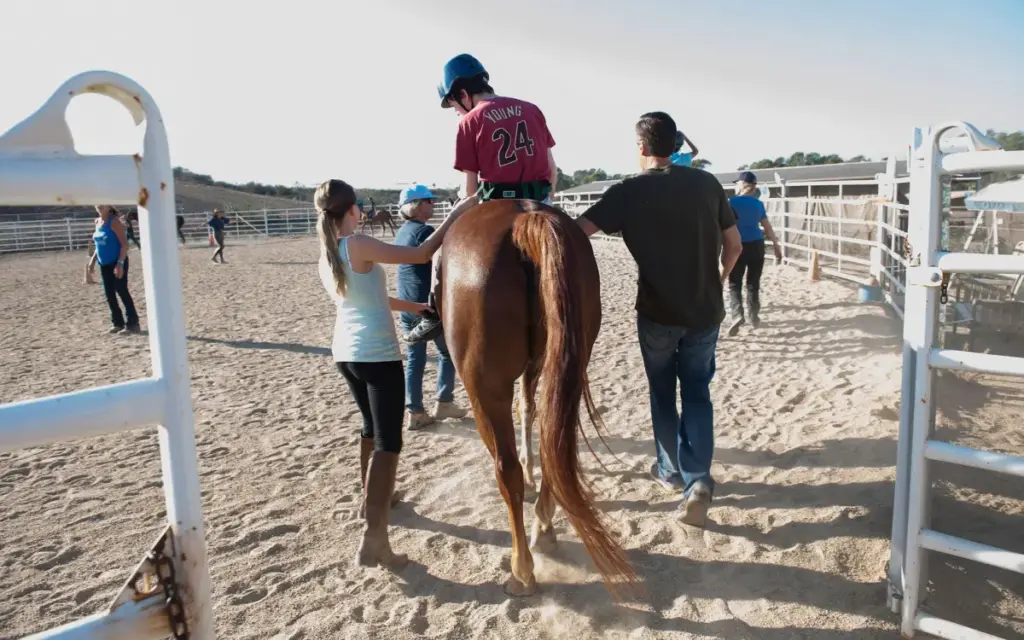
The study, which focused on children ranging in age from 6 to 16, utilized a carefully controlled design to evaluate the distinct impacts of interacting with horses versus merely being in their presence. Participants were divided into different groups for the duration of the investigation. Some children were assigned to receive therapeutic horseback riding lessons once a week for a period of 10 weeks. Others took part in a designated barn activity group where they observed and interacted with the environment around the horses, but did not directly ride them.
A third group served as a comparison cohort, experiencing a brief waiting period before transitioning into the barn activity for five weeks, followed by five weeks of hands-on riding lessons. By comparing the behavioral shifts across these different groups, the research team was able to isolate the specific effects of the equine environment and the physical act of riding.
According to the findings, which were published this month in the prestigious journal Pediatrics, both the active riding program and the non-riding barn activities led to significant, observable drops in irritability and hyperactivity among the participants. Beyond these reductions in challenging behaviors, the children also demonstrated noticeable improvements in emotional regulation and everyday social behaviors.
However, a deeper analysis of the data revealed a distinct advantage for the children who actually mounted and rode the animals. The greatest and most profound impact on hyperactivity specifically was observed among the children in the riding group, highlighting the unique therapeutic value of the physical experience.
"There is something about riding a horse that is particularly helpful for kids with hyperactivity," said Robin Gabriels, a professor of psychiatry at the University of Colorado who led the comprehensive research study.
The rhythmic, repetitive movement of a horse walking provides continuous sensory input that can help regulate the nervous system of a child struggling with self-regulation. At the same time, managing a large animal requires intense focus, balance, and coordination, pulling the child’s attention outward into a shared, purposeful activity rather than internal stressors or stimuli.
While the researchers emphasized that horseback riding is not necessarily a universal fix or the right fit for every single child with autism, their findings strongly suggest that equine-assisted programs serve as an excellent, highly engaging way to supplement existing therapeutic interventions. Traditional clinical environments, such as office-based speech, occupational, or behavioral therapy rooms, can sometimes feel sterile, restrictive, or overly clinical for children who learn best through movement and experiential interaction.
"Working with horses gives these kids a chance to do something active, social, and engaging," Gabriels explained, pointing to the dynamic nature of farm and stable settings. "For some children, that may be a particularly effective way to help them develop skills that can be difficult to teach in a traditional clinical environment."
In a stable setting, children must learn to read non-verbal cues from the animal, listen carefully to instructors, follow multi-step safety directions, and cooperate with peers who are sharing the space. These real-world dynamics naturally encourage communication, patience, and empathy—core social domains that children on the autism spectrum frequently find challenging to master in standard classroom or clinical settings.
The publication of these findings adds robust empirical backing to a practice that has long been championed by parents, special educators, and specialized recreational therapists across the country. Therapeutic riding centers, such as the facility operating in Huntington Beach, California, have spent decades offering equine programs based largely on anecdotal success stories from families who witnessed firsthand transformations in their children’s focus, confidence, and calmness. This new study from the University of Colorado research team provides the rigorous, peer-reviewed data necessary to validate those widespread observations within the broader medical and therapeutic communities.
As healthcare providers, educators, and families continue to look for diverse, holistic approaches to supporting youth with developmental disabilities, studies like this one underscore the value of looking beyond conventional office settings. By integrating nature, animals, and physical movement into structured therapeutic frameworks, specialists may unlock new pathways for children with autism to navigate their symptoms, build resilience, and thrive in their daily lives.