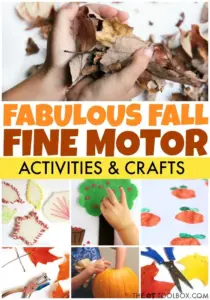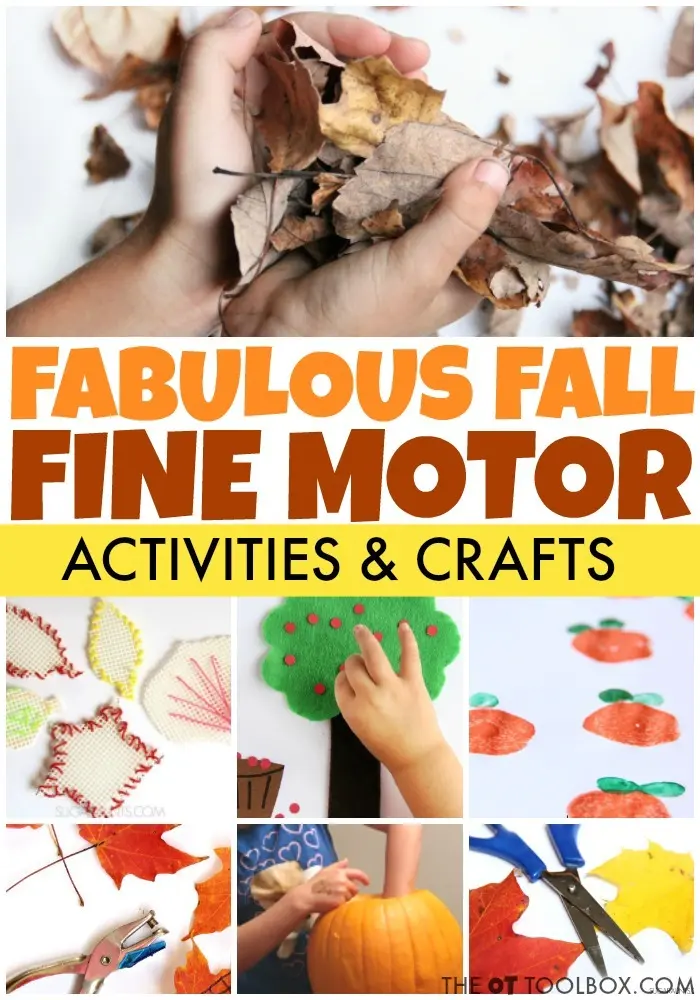
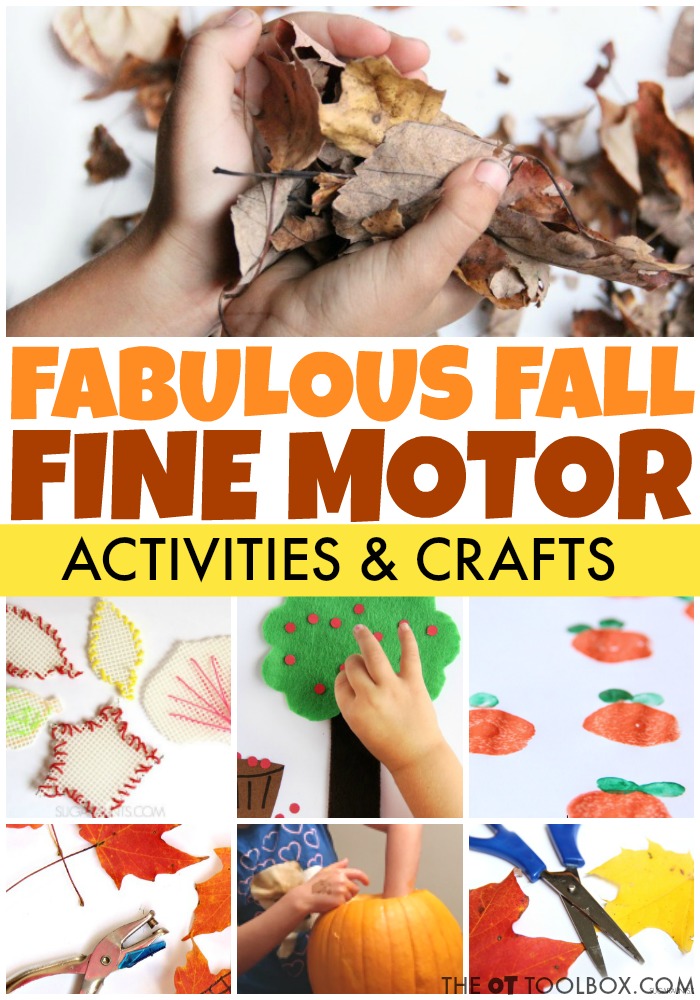
As the crisp autumn air arrives and leaves begin to shift into vibrant shades of amber and gold, occupational therapists, educators, and parents are turning to seasonal themes to engage children in developmental play. Rather than selecting fall activities purely for their festive appeal, professionals are increasingly utilizing autumn-inspired materials—ranging from apples and pumpkins to acorns and crisp leaves—to strategically target specific fine motor needs in pediatric development.
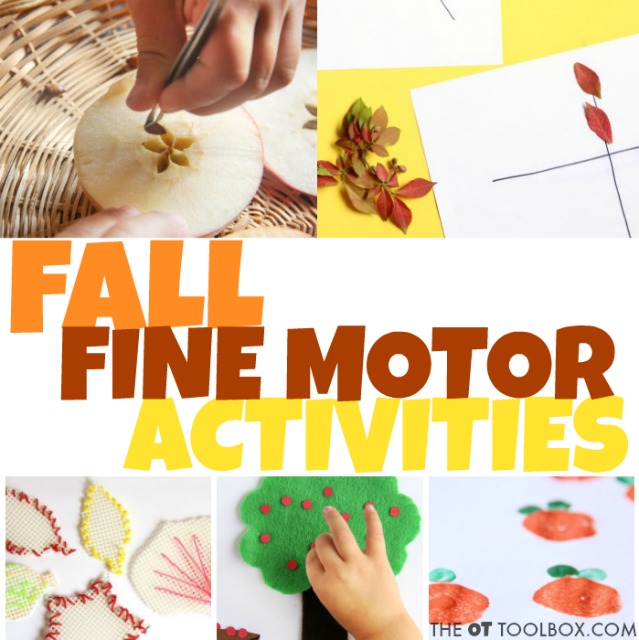
A comprehensive new resource framework highlights how seasonal play can be systematically aligned with clinical and educational objectives. Designed to support fundamental abilities such as hand strength, finger dexterity, scissor proficiency, visual-motor integration, and handwriting, these activities provide targeted interventions disguised as seasonal fun. Many of these exercises address multiple developmental domains simultaneously, allowing therapists and educators to adapt tasks flexibly based on individual student requirements.
The transition into autumn offers a natural backdrop for incorporating these strategies into therapy toolboxes and everyday learning environments. From toddlers experimenting with sensory materials to preschoolers refining their tripod grasps, seasonal elements provide both tactile engagement and functional resistance. To further support these efforts, complementary resources such as specialized sensory booklets are being utilized to encourage broad motor planning alongside fine motor development through family-friendly autumn experiences.
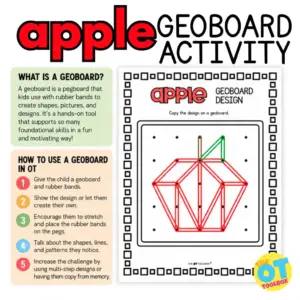
A primary focus within pediatric occupational therapy is hand and finger strengthening, which forms the physical foundation for tasks like writing, cutting, and manipulating clothing fasteners. Clinical interventions often leverage resistive materials to build endurance in the small intrinsic muscles of the hands. For example, apple-themed geoboards require children to stretch rubber bands across pegs, introducing controlled resistance while simultaneously demanding visual-motor precision and motor planning. Therapists frequently modify the challenge by adjusting the thickness of the bands or simplifying visual patterns to match a child’s current capability.
Similarly, play dough remains a staple in developmental settings, offering proprioceptive sensory feedback alongside muscle engagement. Activities that involve rolling, squeezing, pinching, and pressing help develop wrist stability, arch formation, and pincer grasps. Therapists often enhance these exercises by hiding small seasonal items—such as miniature leaves, autumnal erasers, or colored beads—inside the dough to encourage active searching and manipulation. Hole-punching activities using apple- or leaf-shaped templates provide another effective method for building sustained hand force while incorporating visual-motor coordination.
Beyond raw strength, manual dexterity requires speed, precision, and the coordinated movement of individual fingers. Fine motor tasks often break down when a child struggles with these integrated components. To address this, educators and therapists utilize small manipulatives like craft pom-poms, seeds, paper clips, and small craft items to transform routine tasks into dexterity exercises.
For instance, geoboard activities featuring seasonal templates require children to use their fingertips rather than their whole hands to grasp, stretch, position, and release rubber bands with control. Paper-clip-counting tasks ask students to attach specific quantities of clips to themed cards, promoting bilateral hand coordination as one hand stabilizes the card while the other executes precise fingertip movements. Similarly, transferring fall-colored pom-poms using tongs or tweezers into partitioned trays allows professionals to grade the precision required by altering the size of the tools and objects.
Scissor skills represent another critical area of development that benefits from seasonal motifs. Cutting tasks require bilateral integration, where the dominant hand opens and closes the scissors while the non-dominant helper hand stabilizes and rotates the paper. Apple-cutting practice pages and leaf-snipping activities allow children to follow visual paths and cut along specific lines. Therapists carefully observe how children approach these tasks, noting hand positioning, compensatory movements, and cutting smoothness. Cut-and-paste crafts further expand these demands by incorporating executive functioning, spatial orientation, direction-following, and sequential assembly.
Visual-motor integration frequently intersects with fine motor tasks. Even when a child possesses adequate hand strength and dexterity, they may encounter difficulties when a task requires them to copy a design, follow a line, or coordinate visual input with hand movement. Fall-directed drawing exercises address this by asking children to reproduce shapes like acorns, pumpkins, and leaves, requiring them to analyze spatial relationships and manage pencil control. Pattern-block designs and seek-and-find I Spy activities further reinforce visual discrimination, spatial awareness, and sustained visual attention, with therapists occasionally utilizing cutout frames to manage visual clutter and focus the child’s attention.
Handwriting development also finds a natural home in autumn-themed curricula. Rather than practicing isolated letter formations, educators often use seasonal writing prompts to encourage meaningful written expression. These prompts can be scaled across different developmental levels, allowing emerging writers to produce a single fall-related word, beginning writers to compose a full sentence, developing writers to respond to a short prompt, and older students to plan and draft entire paragraphs. This flexibility enables professionals to address specific handwriting components—such as line awareness, spacing, letter size, and endurance—within a single set of materials.
No-prep and nature-based activities further expand the accessibility of these developmental interventions. Simple interactions with the environment, such as tearing, crumpling, punching, or stringing fallen leaves, provide rich sensory and motor experiences. Sorting acorns with tongs, pressing play dough into seasonal shapes, attaching clothespins to cardboard trees, and manipulating plastic bread ties all offer practical ways to strengthen fine motor skills without requiring elaborate preparation.
As professionals plan their seasonal schedules, a wide array of structured resources remains available to support pediatric development through the autumn months. By integrating these targeted strategies into daily routines, educators and therapists continue to help children build the foundational skills necessary for academic and daily living success.