






As Colorado heads toward a high-stakes election cycle, a fierce debate has ignited over the future of human-wildlife relations and the ethical boundaries of outdoor recreation in the state. At the center of the controversy is Amendment 83, a ballot measure set to go before voters that seeks to establish a constitutional right to hunt and trap.
The measure has drawn sharp criticism from political leaders, conservationists, and animal behavior experts alike. Among its most prominent opponents is Colorado Governor Jared Polis, who has publicly urged residents to vote against the measure. Weighing in on the broader implications of the ballot initiative, Polis emphasized the importance of balanced, sustainable outdoor policies rather than constitutional mandates that favor specific interests.
"Colorado’s outdoors are extraordinary precisely because so many of us enjoy them in different ways," Governor Polis stated. "We should keep expanding outdoor recreation opportunities in a sustainable way, protecting wildlife, and finding compromises that work for everyone—not picking constitutional favorites. I urge Coloradans who hunt, fish, hike, bike or simply love our wildlife to vote ‘no’ on Amendment 83."

The battle over Amendment 83 reflects deeper, long-standing tensions surrounding anthrozoology—the scientific study of human-animal relationships—and how communities choose to coexist with their wild neighbors. In Colorado, these relationships range from earnest attempts at peaceful coexistence to destructive practices aimed at harming wildlife. Because similar legislative and cultural battles are playing out in various states and countries around the world, the debate in Colorado serves as a crucial case study in the global complexities of animal welfare.
When voters head to the polls, they will be deciding on a constitutional amendment that explicitly protects trapping and hunting. While proponents frame the measure as a protection of heritage and outdoor traditions, critics argue that the inclusion of trapping is often downplayed despite being a core component of the initiative. A simple digital search regarding the amendment reveals a deeply polarized public, with supporters offering unconditional backing and opponents expressing profound alarm over the revival of controversial methods.
The Importance of Animal Sentience and the Emotional Lives of Animals
A critical element that critics argue is missing from the mainstream debate surrounding Amendment 83—particularly from those advocating for its passage—is a serious consideration of animal sentience, suffering, and the emotional lives of the nonhuman victims. Sentience refers simply to the capacity to feel. Observers point out that if the wild animals targeted by the amendment could cast a ballot, their vote would be a unanimous and resounding rejection of the policy.
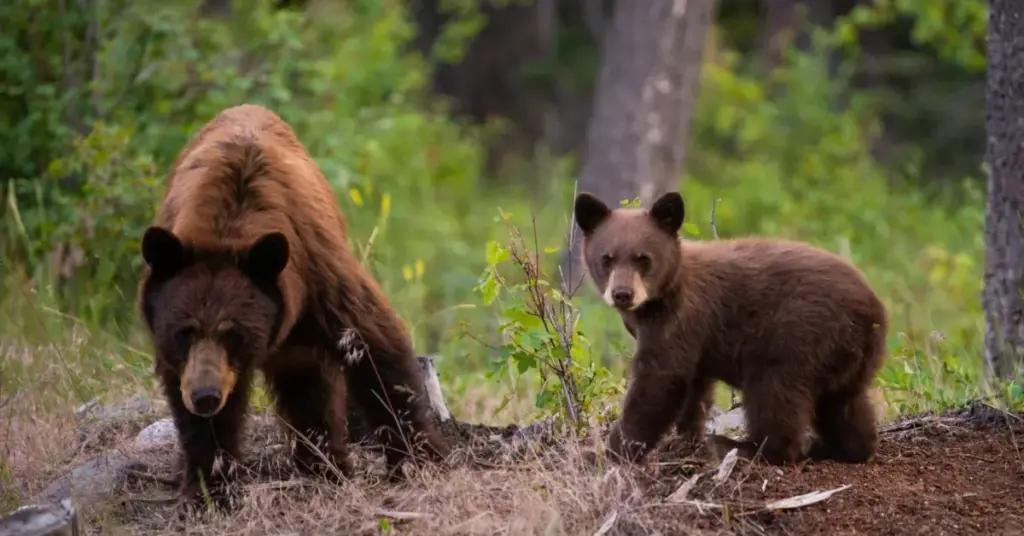
Critics contend that Amendment 83 effectively establishes a constitutional right to inflict intentional physical and psychological suffering. Many of the practices protected or enabled by the measure rely on "traditional methods" that were explicitly restricted by Colorado voters decades ago due to the immense pain they inflict. These methods include the use of steel-jaw traps, wire snares, poisons, hounding—where packs of dogs are used to chase down targeted wildlife—and baiting animals to make them easy targets. Furthermore, the measure would permit the hunting of bears in and around their dens, a practice that puts pregnant females at risk.
Opponents emphasize that there is nothing fair about these practices. Applying terminology like "fair chase" to such activities is seen by critics as an obvious oxymoron. Historical precedent in Colorado underscores these concerns. In 1992, a generation ago, the state banned spring bear hunting because it consistently resulted in the orphaned deaths of dependent cubs whose mothers were killed while lactating. Similarly, in 1996, voters restricted the deployment of steel-jawed traps, snares, and poisons to curb severe and indiscriminate animal suffering.
To understand the gravity of these practices, animal behavior experts often point to species that share our domestic spaces, such as dogs. Dogs are universally recognized as highly sentient beings capable of experiencing a wide spectrum of emotions, ranging from joy and affection to profound fear, anxiety, and grief. However, scientific observation confirms that wild animals—including wolves, cougars, black bears, beavers, and many others—possess emotional capacities and suffer just as deeply as domestic canines when subjected to injury and fear.
Asking how a household pet would respond to being hunted, trapped, snared, or poisoned brings the harsh reality of these traditional practices into sharp focus, particularly given that many individuals who engage in trapping or hunting also live with canine companions. While wild animals do not suffer any less than domestic ones, focusing on canine sentience can serve as a "gateway species" concept—bridging the empathy gap to help humans extend compassion to wildlife and foster peaceful coexistence.
Language also plays a significant role in how these activities are perceived and discussed. Proponents of hunting and trapping frequently sanitize their actions by using terms like "harvesting," "culling," or "dispatching." Critics argue that these sanitized euphemisms disguise the reality of killing sentient creatures. Animals are not inanimate objects to be gathered; framing them as such obscures the physical and psychological toll of the hunts. Observers note that if one wouldn’t apply such terminology or treatment to a family dog, extending it to other sentient wildlife highlights a profound ethical double standard.
Working for Compassionate Coexistence
Integrating animal sentience into modern wildlife management policies is not viewed by advocates as a radical proposal, but rather as a scientifically grounded and humane approach to recognizing the intrinsic value of these animals. Because modern science firmly acknowledges the emotional lives of animals, conservationists argue that any policy claiming to follow the science must account for animal sentience and emotion.
As communities across Colorado and beyond evaluate their relationship with the natural world, proponents of coexistence maintain that public policy should strive to protect the well-being and quality of life of local wildlife. Emphasizing a broader perspective, researchers and public health experts note that efforts to protect and respect nonhuman species also yield positive psychological and environmental benefits for human populations, creating a mutually beneficial framework for all involved.