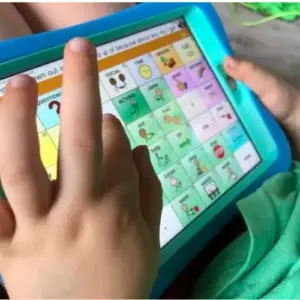








In the evolving field of pediatric speech-language pathology, the use of Augmentative and Alternative Communication (AAC) has emerged as a cornerstone for supporting children and teens who are non-speaking or have complex communication needs. As clinicians and caregivers look for more accessible, evidence-based methods to facilitate language development, new resources are being introduced to help demystify the process of teaching core communication skills. Among the most recent developments is a suite of specialized training materials and curriculum tools designed to remove the guesswork from AAC implementation, starting with foundational vocabulary like the word “Help.”
The Importance of Core Vocabulary in AAC
At the heart of any effective AAC intervention is the concept of core vocabulary—a small set of high-frequency words that make up the majority of what we say in daily life. For many children, the transition to using a speech-generating device or a symbol-based communication system can feel overwhelming. By focusing on essential, functional words, therapists and parents can create immediate opportunities for success.
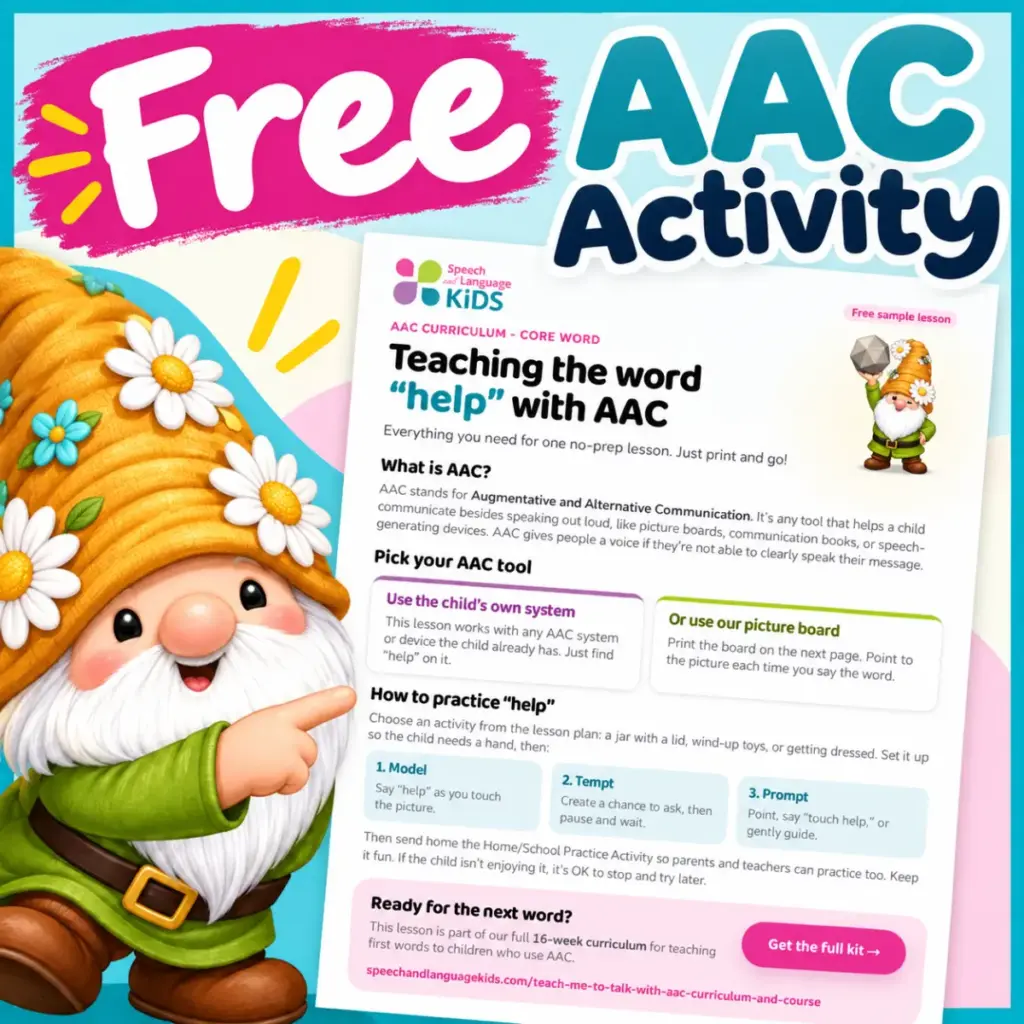
The word “Help,” for instance, serves as a vital entry point for many learners. It is a powerful, self-advocacy tool that gives a child agency over their environment. When a child learns to request assistance using an AAC device, they are not only learning a word; they are learning that their communication has power and that they can influence the world around them. This shift from passive observation to active engagement is a critical milestone in the development of functional communication.
New instructional materials, such as the “Cheerful Gnome” activity, are being highlighted as practical ways to introduce these concepts in a low-pressure, engaging environment. By integrating these lessons into play-based activities, educators and speech-language pathologists can reduce the anxiety often associated with learning a new communication system, making the process feel more natural and intuitive for the child.
Structured Approaches to Speech Therapy Sessions
Successfully running an AAC session for a non-speaking child requires more than just access to technology. It requires a thoughtful, structured approach that balances clinical goals with the child’s individual interests. Professional guidance emphasizes that the environment must be conducive to interaction, which often involves setting up scenarios where the child is naturally motivated to communicate.

In a typical, well-structured session, the emphasis is placed on modeling—a technique where the adult uses the child’s AAC system to communicate while speaking. This provides the child with a visual representation of how their system works in real-time. By observing a clinician or caregiver navigate the device, the child begins to map the symbols to the words they hear in their environment.
However, many professionals report that the biggest barrier to consistent AAC use is the lack of a clear, actionable plan. Without a cohesive framework, sessions can become disjointed, leading to missed opportunities for language expansion. This is where standardized curricula are playing an increasingly important role. By providing a clear roadmap for what to teach, when to teach it, and how to measure progress, these programs allow therapists to move away from trial-and-error methods and toward a more data-driven, systematic approach.
Bridging the Gap with Comprehensive Curricula
The demand for professional-grade AAC resources has grown as more schools and private practices integrate assistive technology into their daily operations. To address this need, comprehensive AAC curricula have been developed to support both clinicians and families. These programs are designed to cover the entire journey of communication development, from the initial evaluation and device selection to long-term language growth.
The philosophy behind these modern curricula is to minimize the technical and administrative burden on the user. By providing pre-planned activities, visual aids, and lesson modules, these resources allow the clinician to focus entirely on the interaction with the child rather than spending hours preparing materials. This transition toward a "done-for-you" model is proving to be a game-changer for speech-language pathologists managing large caseloads, as well as for parents who are navigating the complexities of their child’s communication journey at home.
Beyond simple word-learning, these curricula often incorporate mini-courses that cover the nuances of AAC, such as how to prompt a child without becoming over-directive, and how to create communication opportunities throughout the day—not just during formal therapy sessions. This holistic approach ensures that communication is not confined to a specific time or place but becomes a constant, integrated part of the child’s life.

The Future of AAC Training
As technology continues to advance, the devices themselves are becoming more intuitive and affordable. However, the success of these tools ultimately rests on the quality of the instruction provided to the child. The focus on structured, accessible training for the adults supporting the child is perhaps the most significant shift in the field.
By providing clear, actionable steps for teaching core vocabulary and facilitating sessions, the professional community is working to ensure that every non-speaking child has the opportunity to find their voice. The integration of high-quality educational materials into the therapeutic process serves as a vital bridge, connecting the potential of assistive technology with the practical reality of daily communication.
For many families and practitioners, the availability of these resources represents more than just a convenience; it represents a commitment to inclusivity and the belief that every individual deserves the right to express their needs, thoughts, and emotions. Whether it is through a simple activity centered on the word “Help” or a comprehensive curriculum designed to build complex language skills, the ongoing focus remains the same: empowering the child to communicate effectively, independently, and with confidence. As these tools continue to evolve, the goal remains to ensure that no child is left without the means to participate fully in their own life.