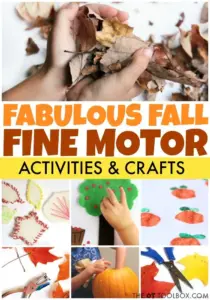




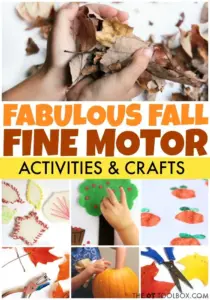



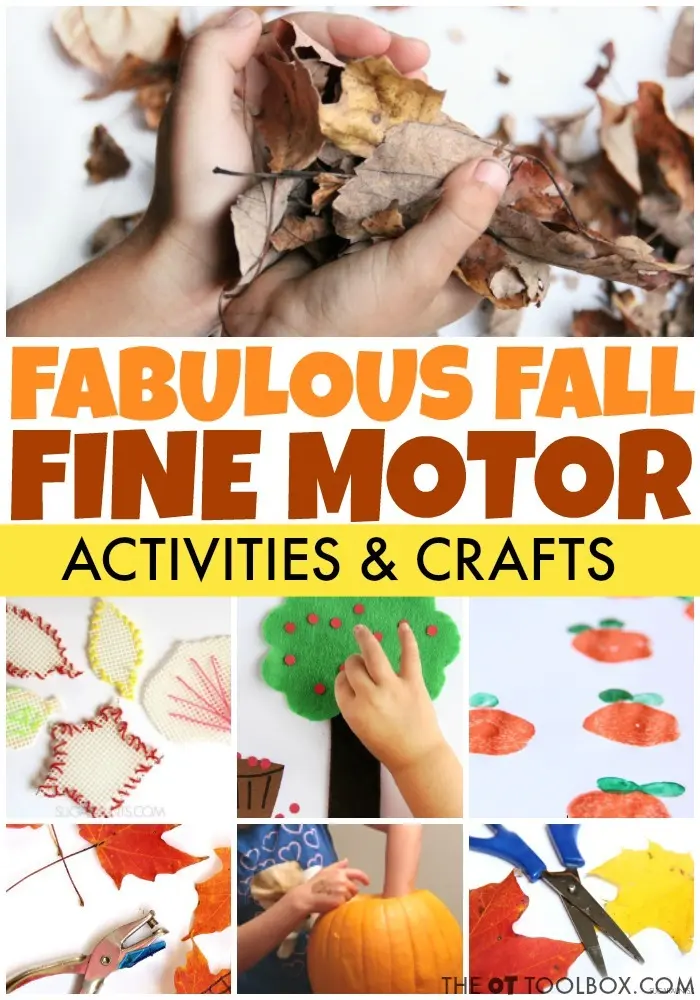
As the crisp autumn air arrives and the changing foliage transforms the landscape, educators, occupational therapists, and parents are increasingly leaning into seasonal themes to support children’s developmental milestones. While pumpkins, apples, leaves, and acorns are staples of fall festivities, professionals are finding that these familiar seasonal elements provide an ideal medium for targeting essential fine motor skills. Rather than choosing autumn-themed crafts strictly for seasonal enjoyment, specialists are utilizing these materials to address specific therapeutic needs, ranging from hand strength and finger dexterity to visual-motor integration and handwriting.
The shift toward autumn-based developmental tools comes at a time when childhood specialists continually seek engaging ways to combat declining manual dexterity and grip strength. Experts note that many seasonal activities naturally incorporate the exact resistance, precision, and coordination required to build hand strength. From manipulating rubber bands on geoboards to operating hole punches on apple-shaped templates, these tasks offer children a playful way to develop the small muscles in their hands without feeling like they are performing clinical exercises.
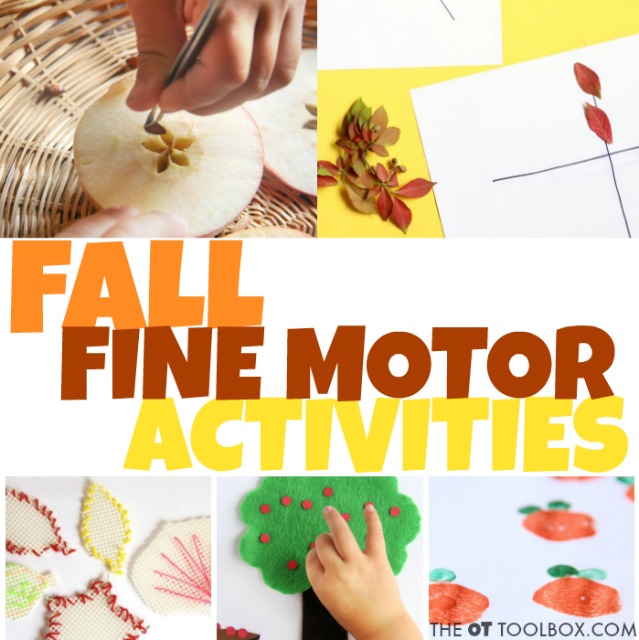
Hand strength forms the foundation of many daily tasks, including writing, buttoning clothes, and opening containers. To build this strength, therapists frequently turn to activities like apple geoboards, where children stretch rubber bands across pegs to recreate specific shapes. This motion provides necessary resistance for the fingers and hands while demanding precision and controlled release. Similarly, traditional play dough activities infused with fall scents and tactile elements like mini leaves or autumn-colored beads allow children to roll, squeeze, pinch, and press. These actions encourage arch development, wrist stability, and a proper pincer or tripod grasp, all while delivering proprioceptive sensory feedback.
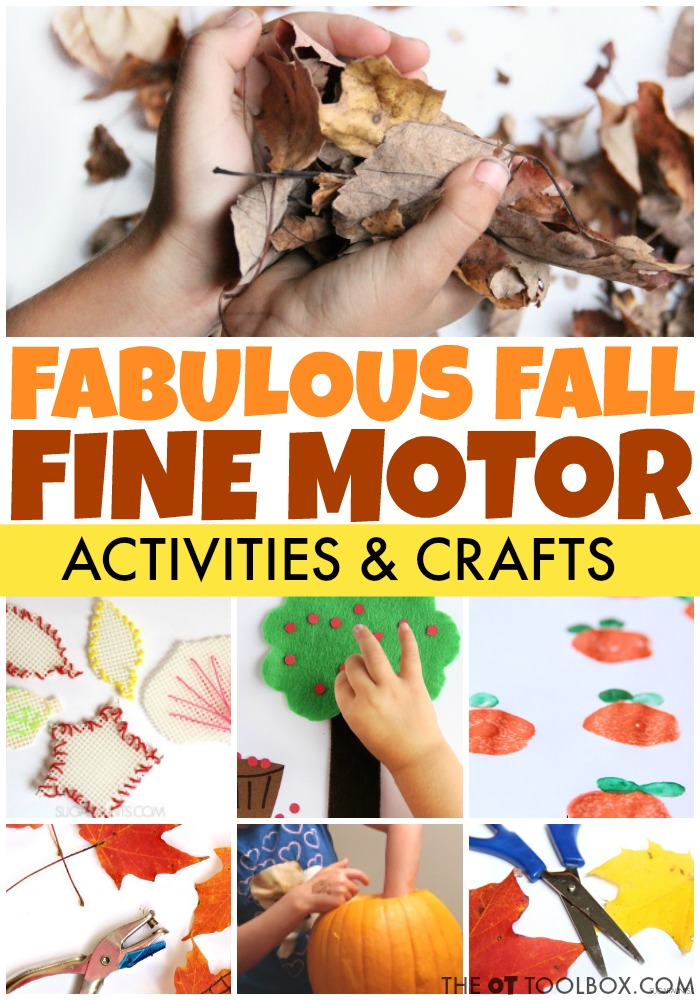
Beyond basic strength, manual dexterity requires speed, precision, and the coordinated movement of individual fingers. Seasonal manipulatives—such as craft pom-poms, seeds, mini erasers, paper clips, and small craft materials—turn routine play into complex dexterity exercises. For instance, using tongs or tweezers to transfer fall-colored pom-poms into ice cube trays challenges a child’s grasp precision and eye-hand coordination. Meanwhile, apple-themed paper clip counting activities encourage bilateral hand use, requiring one hand to stabilize a card while the other precisely opens and positions a paper clip.
Scissor skills represent another critical area of development often integrated into autumn curricula. Educators and therapists utilize apple-cutting practice sheets and leaf-snipping exercises to help children master bilateral coordination. Cutting requires the dominant hand to open and close the scissors while the helper hand stabilizes and rotates the paper. Gathering real autumn leaves to snip into small pieces or cut along drawn lines adds an auditory and tactile dimension to the task, engaging sensory processing systems alongside motor planning. Furthermore, cut-and-paste farm or harvest crafts elevate these demands by requiring children to cut out shapes, visually determine their orientation, follow an assembly sequence, and glue them into precise positions.
Visual-motor integration often bridges the gap between physical capability and academic success. A child may possess adequate hand strength yet struggle when a task requires copying a design, following a line, or coordinating visual input with hand movement. Fall-themed directed drawing, pattern block designs, and seek-and-find I Spy pages address these visual-motor and visual-spatial challenges. By replicating drawings of acorns, pumpkins, and leaves, children practice observing a model, planning where lines begin and end, and reproducing spatial relationships. Seeking out hidden objects on a fall-themed page similarly enhances visual scanning, figure-ground perception, and sustained attention.
Handwriting, a complex task that integrates nearly all fine motor and visual-motor domains, also benefits from seasonal adaptations. Rather than practicing isolated letter formations, educators often use thematic writing prompts that allow students to work on line awareness, spacing, letter size, and writing endurance within a meaningful context. These prompts can be easily scaled to accommodate various developmental stages, allowing emerging writers to pen a single fall word, beginning writers to construct a sentence, and older students to plan and write comprehensive paragraphs.
For practitioners and families looking for accessible options, no-prep activities utilize everyday natural items found in the yard or home. Tearing and crumpling leaves, sorting acorns with tongs, making paper chains, and attaching clothespins to cardboard trees all offer immediate opportunities to reinforce fine motor control. These everyday items support the ongoing development of the intrinsic hand muscles necessary for lifelong tasks, proving that seasonal play can be both engaging and profoundly therapeutic.