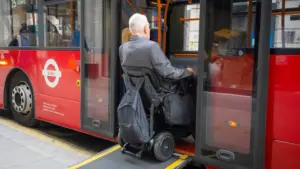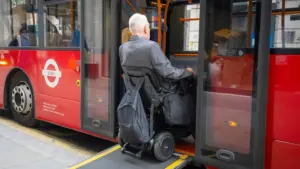








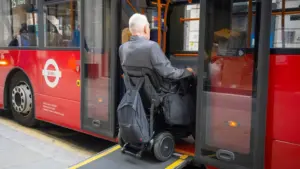
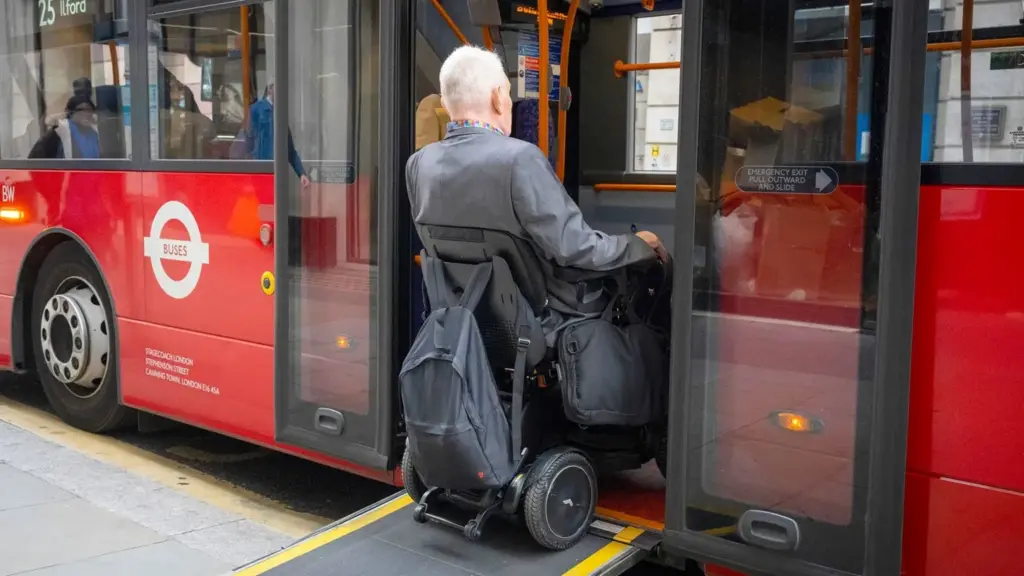
Starting April 1, disabled people across England will be able to travel by bus for free at any time of day, marking a major milestone in public transit accessibility and equity. Previously, free bus passes were restricted to off-peak hours on weekdays, specifically between the hours of 09:30 and 23:00. This historical restriction created significant barriers for pass holders trying to commute to standard morning jobs, participate in early professional commitments, or attend late-night events and social gatherings.
The removal of these time limits will benefit an estimated one million people nationwide, effectively transforming the concessionary bus pass from a limited off-peak perk into a true full-time lifeline. By removing the morning and late-night restrictions, the policy change opens up new economic, social, and educational opportunities for disabled residents who rely heavily on public transportation to navigate their daily lives.
The nationwide policy follows a successful trial period in Greater Manchester’s integrated public transit system, known locally as the “Bee Network.” The positive outcomes observed during this regional pilot provided policymakers with the empirical backing needed to roll out the reform across the rest of England. Furthermore, the nationwide expansion responds directly to years of persistent campaigning by prominent disability rights organizations, including Scope and Transport for All.
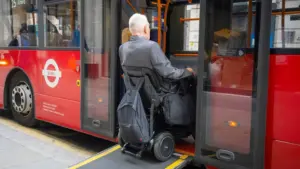
Advocates have enthusiastically celebrated the move for eliminating what many described as an unfair “postcode lottery,” a system where pass validity, operating hours, and local concessions depended heavily on arbitrary municipal borders and local council rules. However, while disability organizations have praised the nationalizing of all-day access, they emphasize that this reform represents only one critical step forward. Campaigners note that eligibility requirements for concessionary passes still vary across different regions and will ultimately require broader standardization to ensure true national equity.
To secure the long-term viability of the program and make the initiative permanent, the £60 million scheme is being funded jointly through a collaborative effort between the Department for Transport and the Department for Work and Pensions. Government officials have framed the reform as an essential workforce and cost-of-living initiative. This investment aligns with existing national transit measures designed to ease financial pressures on the public, such as the nationwide £2 single-fare cap. Moreover, the policy brings England in line with similar 24/7 concessionary transit programs that have been successfully operating in Scotland and Wales for years.
Global Takeaways: How Other Countries Can Make Accessible Commuting Possible
Making daily commuting accessible and affordable for disabled citizens requires a comprehensive combination of thoughtful policy design, reliable digital systems, and targeted public investment. As governments worldwide grapple with how to modernize urban and rural transportation networks, the United Kingdom’s latest reform offers a clear case study in how systemic public policy shifts can remove long-standing barriers to mobility.
Why Was the UK Able to Do It?
The UK’s ability to implement a nationwide, all-day concessionary travel scheme stems from a combination of centralized funding frameworks, coordinated political will, and sustained advocacy from civil society. By pooling financial resources through the Department for Transport and the Department for Work and Pensions, the central government absorbed the initial cost burden that local municipalities previously struggled to shoulder independently. This top-down financial commitment, paired with the empirical success of regional trials like Greater Manchester’s Bee Network, created a viable blueprint for national reform. Furthermore, decades of advocacy by disability rights groups kept the issue on the legislative agenda, ensuring that policymakers treated accessible transportation not as an optional luxury, but as a fundamental component of economic participation and social inclusion.
Does It Depend on Existing Infrastructure?
Yes, heavily. Free transit passes only work if the public transport network is physically and technologically accessible to begin with. Concessionary fares lose their practical value if passengers cannot physically board the vehicle, navigate the station, or access real-time schedule information.
A successful accessible transport ecosystem relies on several foundational infrastructure elements. Physical accessibility requires low-floor buses equipped with functioning wheelchair ramps, audible and visual stop announcements, and designated priority seating areas. Technological integration is equally vital, encompassing smartcard ticketing systems, real-time tracking apps with accessibility features, and standardized digital infrastructure that allows pass holders to seamlessly verify their credentials across different transit operators and regional boundaries. Without these underlying physical and digital investments, expanded fare policies risk leaving behind the very populations they are designed to support.
What Is Needed to Make Commuting Affordable for People with Disabilities?
Achieving true affordability and accessibility in public transit requires a multi-layered approach that goes beyond simply waiving ticket prices.
First, governments must establish consistent eligibility criteria that eliminate regional disparities and bureaucratic red tape, ensuring that a disabled citizen enjoys the same transit rights regardless of where they live.
Second, funding mechanisms must be sustainable and protected against municipal budget cuts, utilizing joint national and local financing models to absorb operational costs.
Third, transit operators must work in tandem with disability organizations to continually audit their services, ensuring that fleet modernization, staff training, and route planning directly reflect the real-world needs of diverse passenger communities.