







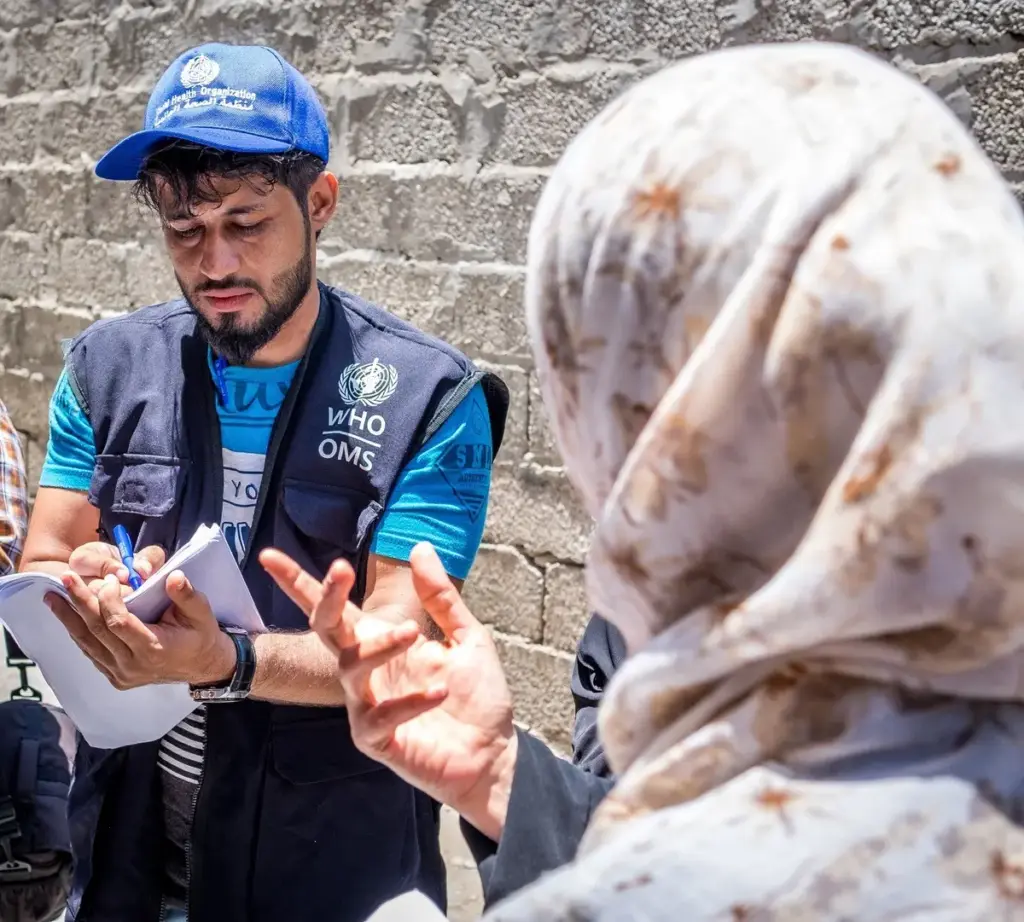
In a significant move to strengthen global health infrastructure, the World Health Organization (WHO) has unveiled the "SCORE for Health Data Technical Package." This initiative represents a comprehensive new approach designed to improve access to life-saving data, an effort that has become increasingly critical as nations grapple with the unprecedented pressures of the COVID-19 pandemic. By providing a standardized, unified framework for health information systems, the WHO aims to empower countries to gather, analyze, and utilize data more effectively, ultimately driving strategic health actions and fostering more resilient healthcare systems.
The COVID-19 pandemic has served as a global wake-up call, laying bare the vulnerabilities in how health information is collected and used. For many nations, the absence of robust infrastructure for routine data collection—coupled with a lack of the necessary analytical capacity to translate raw data into actionable health policy—has hindered emergency responses. As the international community seeks to navigate the complexities of this health crisis, the need for timely, reliable, and validated information has never been more urgent.
"Countries must be able to measure progress to make progress," stated Dr. Tedros Adhanom Ghebreyesus, WHO Director-General. "Particularly during COVID-19, reliable data is the best way to coordinate response efforts and improve health in all areas."

Accurate health data serves as the foundation for modern public health, enabling authorities to identify specific country needs, allocate scarce resources to areas of greatest impact, and monitor the effectiveness of interventions. Without such insights, decision-makers are often forced to operate in a vacuum, which can lead to inefficient resource distribution and delayed responses to outbreaks. The SCORE Technical Package—an acronym for Survey, Count, Optimize, Review, and Enable—is designed to bridge this gap by offering a harmonized set of tools and standards that can be implemented globally to improve the quality and availability of health statistics.
This initiative is the first of its kind to consolidate all essential elements for optimizing health information systems into a single, cohesive package. By setting clear benchmarks and raising standards for healthcare data, the WHO aims to support governments in building a more structured and reliable approach to health monitoring. This, in turn, is expected to facilitate better health outcomes and ensure that policy decisions are grounded in empirical evidence rather than conjecture.
The launch of the SCORE package comes in direct response to the data availability challenges highlighted in the WHO’s World Health Statistics 2020 report. The report underscored the persistent struggle many nations face in maintaining consistent and reliable data streams. To combat this, the SCORE package integrates more than 90 universally accepted tools and standards, providing a comprehensive toolkit for strengthening health information systems at the national level.
Dr. Kelly Henning, Director of Public Health Programs at Bloomberg Philanthropies, emphasized the importance of this collaborative effort. "Using data to inform public health priorities and strategies has never been more important," Dr. Henning said. "The SCORE Technical Package provides country governments around the world with high-quality, essential technical guidance so that countries can strengthen their own data systems."
The development of this resource was made possible through a strategic partnership between the WHO and the Bloomberg Philanthropies Data for Health Initiative. This collaboration represents a shared commitment to providing countries with the necessary support to modernize their health information infrastructure, a prerequisite for meeting the Sustainable Development Goals (SDGs) and the WHO’s ambitious Triple Billion targets.
The urgency of this endeavor was further highlighted by Dr. Samira Asma, WHO Assistant Director-General for Data, Analytics and Delivery for Impact. "We must keep score to save lives," Dr. Asma remarked. "WHO is committed to working with countries and partners to rapidly scale up capacity for data collection and use in order to improve policy and performance. We must act now to invest in statistical systems in countries, respond to this pandemic and meet the SDGs and the Triple Billion targets. Our window of opportunity is closing, and we cannot wait to address data gaps. Data use to address country needs has to be a priority today."
At the core of the SCORE philosophy is the belief that country-owned, disaggregated data is essential for building resilient and sustainable health systems. By breaking down data to reflect the specific realities of different communities, nations can better identify disparities and ensure that health services are reaching those who need them most. The pandemic has served as a stark reminder of the challenges that remain, but it has also provided an opportunity to "build back better" through enhanced solidarity, transparent information-sharing, and international collaboration.
The SCORE framework is designed to be highly practical, actionable, and flexible, allowing it to be adapted to the unique contexts and constraints of different countries. It promotes a common set of tools based on shared global standards, which simplifies the process of data collection and ensures that health statistics are comparable across borders. This cross-country comparability is vital for global health security, as it allows international organizations to track trends, identify emerging threats, and coordinate collective responses to future health emergencies.
The initial release of the SCORE Technical Package provides the foundation for this systematic improvement, but the WHO has indicated that this is only the beginning. Additional components are scheduled for release later this year, including the SCORE Assessment Instrument, as well as a series of global, regional, and country status reports. These upcoming resources will provide a more detailed roadmap for planning and monitoring progress against both national and subnational priorities, as well as overarching global health targets.
As countries continue to grapple with the multifaceted impacts of the COVID-19 pandemic, the ability to rely on high-quality, real-time data will be a defining factor in the success of their public health strategies. The SCORE Technical Package represents a critical step forward in this journey, offering a lifeline to governments striving to modernize their statistical systems and improve the health and well-being of their populations. By fostering a culture of data-driven decision-making, the WHO and its partners are laying the groundwork for a future where public health actions are more precise, efficient, and equitable.
The success of this initiative will ultimately depend on the willingness of countries to engage with the tools provided and the sustained support of the global community to maintain these data systems. As Dr. Asma noted, the window of opportunity is narrow, and the imperative to address data gaps has never been higher. Through the collaborative framework of SCORE, the WHO is signaling that the path to a healthier world begins with the ability to measure, analyze, and act upon the information that matters most.
By prioritizing the strengthening of health information systems today, the international community is investing in a more secure tomorrow. The pandemic has forced a re-evaluation of global health priorities, and it is clear that data is no longer a peripheral concern—it is a central component of effective governance and life-saving health interventions. As the WHO moves forward with the implementation of the SCORE package, the focus will remain on building capacity, fostering innovation, and ensuring that no country is left behind in the effort to achieve better health for all.