







The World Health Organization (WHO) has officially unveiled a comprehensive new initiative designed to fortify health information systems globally, an effort aimed at improving health outcomes and closing critical gaps in data infrastructure. Known as the "SCORE for Health Data Technical Package," the initiative arrives at a pivotal moment, as the ongoing COVID-19 pandemic continues to underscore the vital necessity of timely, accurate, and reliable information in driving strategic public health interventions.
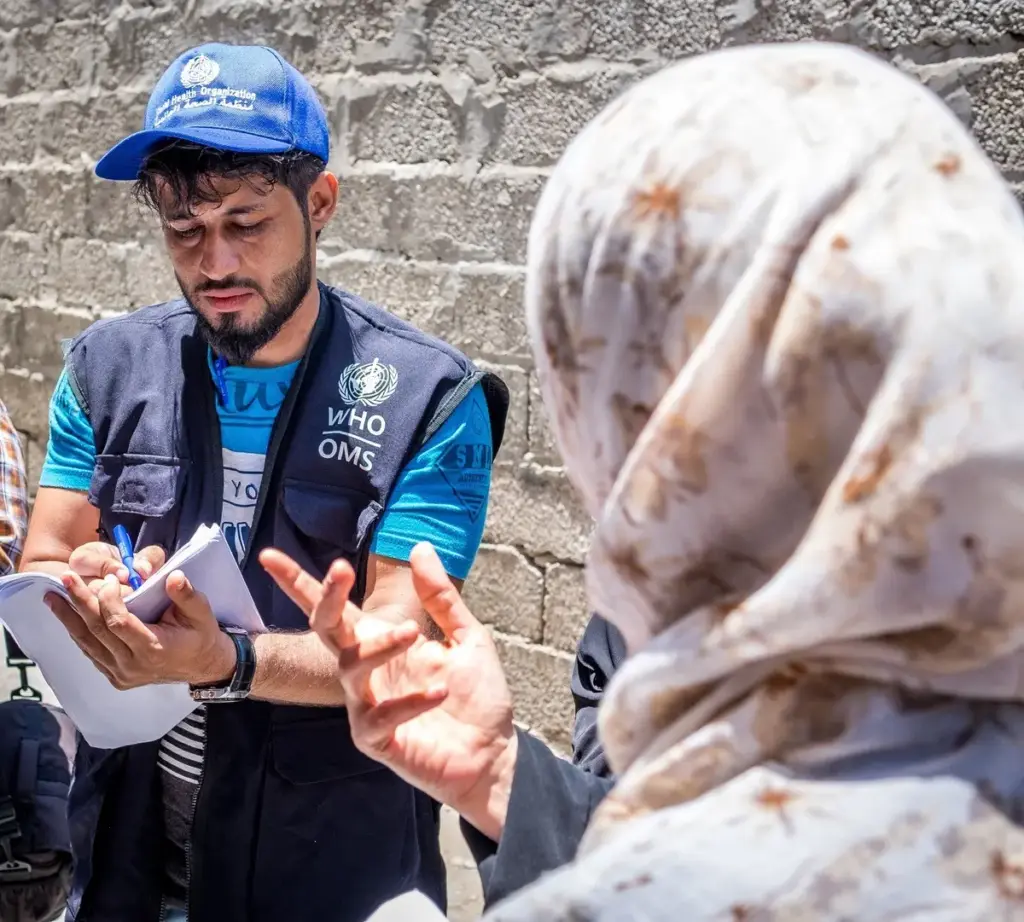
For many nations, the pandemic has acted as a stark wake-up call regarding the fragility of their existing health data systems. Despite the rapid advancements in medical science and digital technology, a significant number of countries still struggle with a lack of fundamental infrastructure required to gather routine health data. Furthermore, many regions suffer from a persistent deficiency in the analytical capacity required to translate raw data into actionable policies, emergency responses, and long-term health planning. By introducing the SCORE package, the WHO aims to provide a unified, standardized framework that can help governments around the world bridge these divides.
Bridging the Data Gap for Better Health Outcomes
At the heart of the new initiative is the understanding that effective health governance is impossible without a clear view of the landscape. As WHO Director-General Dr. Tedros Adhanom Ghebreyesus emphasized during the announcement, the ability to measure progress is inextricably linked to the ability to make it. "Countries must be able to measure progress to make progress," Dr. Tedros stated, highlighting that in the midst of a global health crisis, high-quality data serves as the most effective tool for coordinating response efforts and improving health outcomes across all sectors.
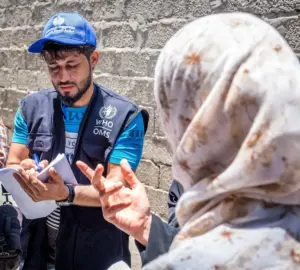
Accurate health data is more than just a matter of record-keeping; it is a critical asset for resource allocation. In an environment where resources are often scarce, data allows governments and health agencies to pinpoint exactly where assistance is needed most, ensuring that life-saving interventions reach the populations that require them. Without a reliable picture of health trends, mortality rates, and disease prevalence, leaders are essentially flying blind, unable to effectively target the very challenges they are tasked with overcoming.
Decoding the SCORE Framework
The acronym SCORE—which stands for Survey, Count, Optimize, Review, and Enable—encapsulates the multi-faceted approach the WHO is taking to improve the availability of reliable, validated, and comparable health data. This is the first time that such a wide array of tools has been consolidated into a single, harmonized package. The initiative represents an effort to synthesize the key elements required for an optimized health information system, providing a clear blueprint that governments can follow to set benchmarks and elevate their national healthcare standards.
The necessity for such a framework was clearly articulated in the WHO World Health Statistics 2020 report, which highlighted systemic issues regarding data availability and quality on a global scale. In response, the SCORE package integrates more than 90 universally accepted tools and standards designed to strengthen health information systems from the ground up. By providing this technical guidance, the WHO aims to empower nations to take ownership of their own statistical systems, moving away from fragmented, ad-hoc data collection toward a more robust, sustainable, and standardized approach.
The project is supported by a partnership between the World Health Organization and the Bloomberg Philanthropies Data for Health Initiative. Dr. Kelly Henning, Director of Public Health Programs at Bloomberg Philanthropies, underscored the importance of this collaboration, noting that the use of data to inform public health priorities has never been more critical. According to Dr. Henning, the SCORE Technical Package provides governments with the essential technical guidance required to build resilient data systems that can withstand the pressures of both everyday health challenges and sudden public health emergencies.
A Call for Urgent Action and Sustainability
The launch of the SCORE package is also an urgent call to prioritize statistical capacity as a fundamental pillar of national development. Dr. Samira Asma, Assistant Director-General for Data, Analytics and Delivery for Impact at the WHO, stressed the imperative nature of this work. "We must keep score to save lives," Dr. Asma noted, explaining that the WHO is committed to working alongside countries and international partners to rapidly scale up the capacity for data collection and utilization.
This urgency is fueled by the need to meet international goals, including the Sustainable Development Goals (SDGs) and the WHO’s own "Triple Billion" targets, which aim to provide universal health coverage, protect populations from health emergencies, and improve the health and well-being of billions of people. Dr. Asma cautioned that the window of opportunity to address these data gaps is closing, and that investing in statistical systems must be a top-tier priority for governments today.
For the future of public health, the development of country-owned, disaggregated data will be essential. This level of detail allows for a more nuanced understanding of health disparities, enabling leaders to craft policies that are tailored to the specific needs of diverse populations. The COVID-19 pandemic, while catastrophic, has provided a clear view of the challenges that remain. However, it has also created a unique opportunity for global cooperation. By prioritizing information-sharing and collaborative innovation, nations can move toward a model of "building back better," where health systems are more resilient and prepared for the challenges of tomorrow.
Future Developments and Implementation
The current release of the SCORE Technical Package serves as the foundation for a broader, ongoing effort. As a practical and flexible resource, it is designed to be adapted to the specific contexts of different countries while maintaining adherence to shared, international standards. The WHO has emphasized that the success of these tools depends on a collective, collaborative effort, as the fight against COVID-19 and other global health threats requires a unified front underpinned by the best available information.
Looking ahead, the WHO plans to expand the package with additional components in the coming months. These upcoming releases will include the SCORE Assessment Instrument, as well as a series of global, regional, and country-specific status reports. Together, these materials will offer a comprehensive framework for planning, monitoring, and evaluating progress against both national and subnational priorities, as well as major global health targets.
By providing a cohesive set of tools, the WHO and its partners hope to transform the way health data is viewed and utilized. Rather than treating data as an administrative burden, the SCORE initiative encourages governments to treat it as a cornerstone of health policy. As nations continue to navigate the complexities of the current pandemic and look toward a more stable future, the ability to collect, analyze, and act upon high-quality data will remain a defining factor in the success of public health efforts worldwide. The launch of the SCORE package marks a significant step forward in this mission, signaling a new era of evidence-based health governance designed to save lives and ensure a healthier, more equitable future for all.