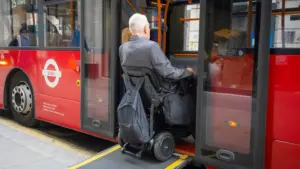








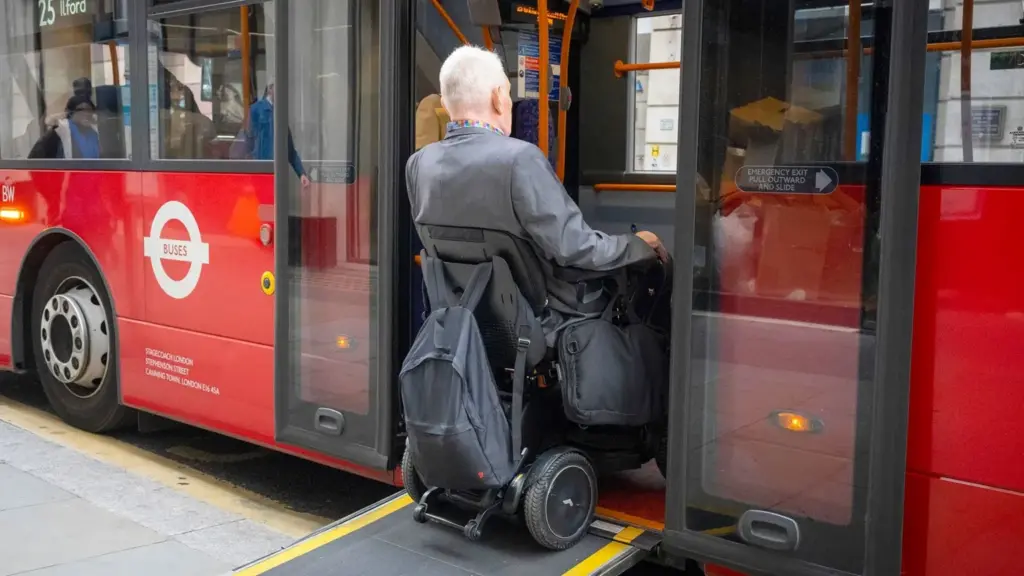
Starting April 1, disabled people across England will be able to travel by bus for free at any time of day, marking a monumental shift in the country’s public transportation accessibility. Previously, the use of free concessionary bus passes was restricted to off-peak hours on weekdays—specifically between 09:30 and 23:00. These legacy time limits frequently created severe barriers for pass holders, making it difficult or impossible to commute to standard morning jobs, arrive early for professional training, or attend late-night social and cultural events.
The removal of these restrictive time limits will benefit an estimated one million people nationwide, fundamentally transforming bus travel from a restricted daytime utility into a true full-time lifeline. By unlocking 24/7 access, the policy aims to remove systemic hurdles that have long hindered the mobility, independence, and employment opportunities of disabled citizens.
The sweeping policy follows a highly successful trial conducted within Greater Manchester’s integrated transport network, known as the “Bee Network.” The regional pilot demonstrated the viability and societal benefits of removing time-based restrictions, paving the way for a national rollout. Furthermore, the reform directly responds to years of persistent campaigning by prominent disability rights organizations, including Scope and Transport for All. Advocates have widely celebrated the government’s decision, praising it for eliminating an unfair "postcode lottery" where the validity of a travel pass often depended entirely on arbitrary local municipal rules and regional boundaries.
However, despite the major victory represented by the nationwide anytime access, disability advocacy organizations emphasize that this reform is only the first step. They note that eligibility requirements and administrative processes across various local regions still require broader standardization to ensure truly equitable access for all disabled residents regardless of where they live.
To secure the long-term future and permanence of the program, the £60 million scheme is being jointly funded through the Department for Transport and the Department for Work and Pensions. Government officials have framed the major policy reform as an essential workforce and cost-of-living initiative. This investment aligns with existing transit measures implemented across the country, such as the nationwide £2 single-fare cap, and successfully brings England into alignment with similar 24/7 concessionary transit programs that have already been operating successfully in Scotland and Wales.
Global Takeaways: How Other Countries Can Make Accessible Commuting Possible
Making daily commuting accessible and affordable for disabled citizens requires a comprehensive combination of thoughtful policy design, robust digital systems, and targeted public investment. As transportation authorities around the world look for models to emulate, the English reform highlights the complex interplay between financial concessions and the underlying transit ecosystem.
Why Was the UK Able to Do It?
The ability to implement a nationwide, anytime concessionary travel scheme stems from a combination of centralized policy frameworks, coordinated departmental funding, and sustained pressure from organized civil society. By pooling resources from both the Department for Transport and the Department for Work and Pensions, the government was able to underwrite the £60 million cost required to make the program permanent. This top-down financial commitment, paired with localized pilot programs like Greater Manchester’s Bee Network, provided the empirical evidence and political momentum needed to turn long-standing advocacy into official national policy. Furthermore, aligning England with the pre-existing models found in Scotland and Wales created a clear precedent, showing that universal 24/7 accessibility is both fiscally manageable and operationally achievable within the British Isles.
Does It Depend on Existing Infrastructure?
Yes, heavily. Free transit passes only work if the public transport network is physically and technologically accessible to begin with. Concessionary fare policies, no matter how generous, lose their practical value if passengers cannot physically board vehicles or navigate transit hubs. True accessibility relies on a foundation of physical and digital infrastructure upgrades, including low-floor buses with functioning ramps, real-time audio-visual passenger information systems, and properly trained staff. Without these integrated elements, lifting time restrictions on paper does not automatically translate into real-world mobility for wheelchair users, visually impaired commuters, or individuals with other physical and cognitive disabilities.
What Is Needed to Make Commuting Affordable for People with Disabilities?
Making public transportation genuinely affordable and usable for disabled individuals requires a multi-layered approach that goes beyond simply issuing free passes. First, governments must eliminate geographic discrepancies, such as local postcode lotteries, to ensure that concessionary rules are uniform nationwide. Second, funding mechanisms must be secured through long-term inter-departmental commitments—linking transit policy with employment, social welfare, and cost-of-living support—to guarantee program longevity. Third, public authorities must continue to invest heavily in modernizing physical fleets and digital infrastructure to ensure that all commuters can safely access vehicles at any hour of the day or night. Finally, policymakers must maintain an open, collaborative dialogue with disability rights organizations to continuously address emerging barriers and standardize regional eligibility criteria.