



The World Health Organization (WHO) has officially launched a comprehensive educational toolkit designed to empower school students aged 13 to 17, providing them with the critical insights necessary to identify and resist the sophisticated tactics employed by the tobacco industry to secure a new generation of nicotine users. This initiative comes at a time when the global battle against tobacco use has reached a critical juncture, with the industry aggressively targeting young people to offset the massive annual loss of 8 million lives attributed to their products.
The scope of this corporate strategy is immense. Every year, the tobacco industry invests more than USD 9 billion into marketing and advertising campaigns. These expenditures are not merely aimed at maintaining market share among existing adult smokers; rather, they represent a calculated investment in human capital—a bid to replace the customers lost to the premature deaths caused by smoking and nicotine addiction. As the tobacco industry faces shrinking populations of long-term smokers due to public health interventions, it has pivoted its focus toward Generation Z, utilizing digital-first marketing and product innovation to hook younger demographics.
This year’s World No Tobacco Day campaign centers on the urgent imperative of protecting children and young people from the systemic exploitation orchestrated by the tobacco and related industries. The newly unveiled toolkit is a multi-faceted resource designed for classroom implementation. It features a range of interactive activities, most notably an exercise that invites students to step into the roles of tobacco industry executives. By adopting the perspective of those who profit from addiction, students are encouraged to analyze the manipulative strategies used to market deadly products as aspirational or essential lifestyle accessories. In addition to these experiential activities, the toolkit provides educators with a curated educational video, a myth-buster quiz designed to dismantle common misconceptions, and structured homework assignments to reinforce the curriculum at home.
The materials provided in the toolkit are designed to pull back the curtain on the industry’s most pervasive marketing tactics. These include the sponsorship of high-profile events such as parties and concerts, which associate tobacco use with glamour and social status. Furthermore, the toolkit highlights the deliberate design of e-cigarette products, noting how companies utilize sweet, youth-friendly flavors like bubble-gum and candy to lower the barrier to entry for nicotine experimentation. The curriculum also addresses the infiltration of educational environments, citing instances where e-cigarette representatives have made presentations in schools, as well as the subtle but powerful use of product placement in popular streaming shows frequently consumed by teenagers.
The persistence of the tobacco industry, even in the face of a global health crisis, has been a significant point of concern for public health officials. Throughout the COVID-19 pandemic, the industry has continued to push products that weaken the body’s defenses, specifically targeting the respiratory system and undermining an individual’s ability to fight off viral infections and recover from disease. Observers have noted that the industry’s response to the pandemic included opportunistic outreach, such as offering free branded masks and home delivery services during periods of government-mandated quarantine. Furthermore, the industry has actively lobbied various national governments to have their goods classified as "essential" products, a designation that would allow them to remain open and accessible even during the most stringent phases of public health lockdowns.
The health implications for young people are profound. Smoking and nicotine consumption suffocate the lungs and other vital organs, effectively starving them of the oxygen necessary for healthy development and long-term functional stability. Ruediger Krech, the Director for Health Promotion at the World Health Organization, emphasized the gravity of this demographic focus, noting that the window for intervention is narrow. "Educating youth is vital because nearly 9 out of 10 smokers start before age 18," Krech stated. "We want to provide young people with the knowledge to speak out against tobacco industry manipulation and recognize that these products are not tools for maturity or social success, but rather mechanisms for long-term health degradation."
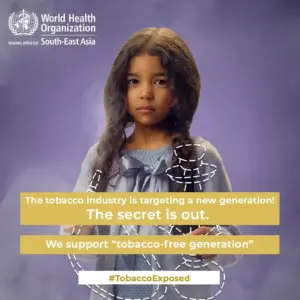
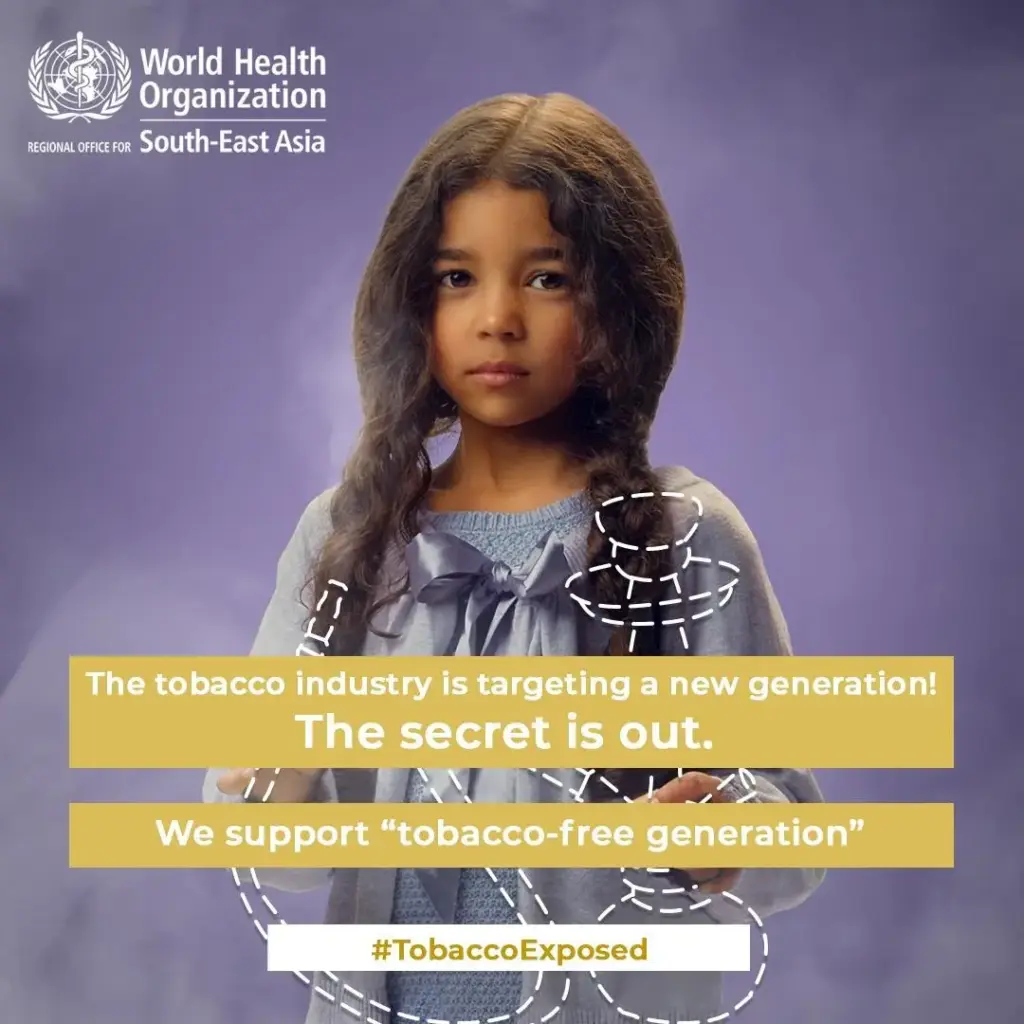
The scale of the crisis is reflected in current statistics: more than 40 million young people aged 13 to 15 have already initiated the use of tobacco products. To reach this digitally native generation, the WHO has moved beyond traditional classroom materials and launched a TikTok challenge under the hashtag #TobaccoExposed. By leveraging the reach of social media platforms, the organization aims to amplify its public health messaging. This effort has been bolstered by partnerships with major social media entities, including Pinterest, Tinder, and YouTube, all of which are collaborating with the WHO to disseminate accurate information and counter the industry-funded narratives that permeate digital spaces.
The World Health Organization is now calling on all sectors of society—including policymakers, educators, parents, and civil society organizations—to unite in efforts to curb the marketing tactics of the tobacco and related industries. The organization maintains that these companies have historically preyed on the vulnerability of children and adolescents, and that a coordinated response is the only way to safeguard the health of future generations.
Central to this effort is the implementation of robust legislative frameworks. The WHO is urging countries to adopt and enforce strict tobacco control laws, specifically those that regulate the sale and promotion of e-cigarettes and other novel nicotine delivery systems. Because these products have already begun to hook a new generation of users, the organization argues that they must be treated with the same regulatory scrutiny as traditional tobacco products. By closing legal loopholes and restricting the industry’s ability to market to minors, governments can effectively dismantle the predatory infrastructure that currently enables the recruitment of millions of young people into lifelong addiction.
The global campaign remains a top priority for the WHO’s communications team, with officials such as Christian Lindmeier and Jaimie Guerra serving as the primary contacts for media inquiries regarding the implementation and impact of this initiative. As the campaign continues, the focus remains on equipping the youth with the autonomy and the information they need to reject the industry’s advances, ultimately aiming to reverse the trajectory of tobacco use among the world’s youngest and most vulnerable populations. The initiative underscores the reality that while the tobacco industry possesses billions of dollars in marketing capital, the power of informed, educated youth represents the most effective barrier against the continued growth of nicotine addiction.