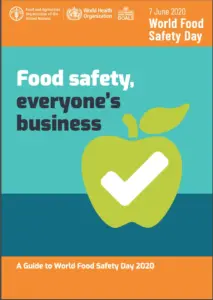







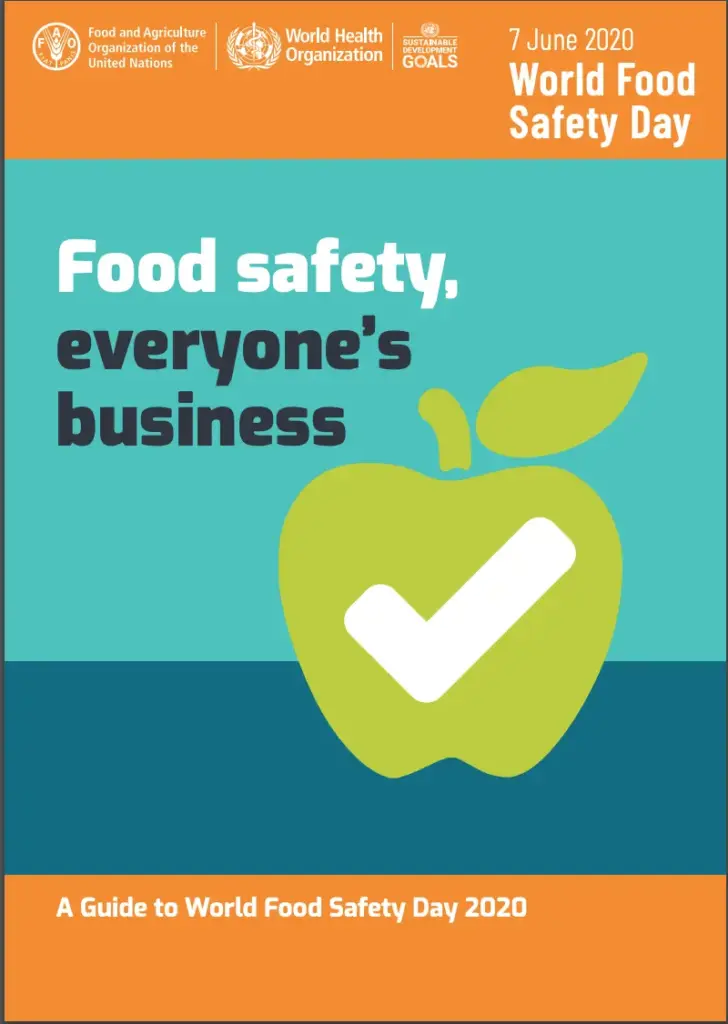
On 7 June 2020, the international community will observe the second annual World Food Safety Day. Spearheaded by two of the United Nations’ primary specialized agencies—the Food and Agriculture Organization (FAO) and the World Health Organization (WHO)—the event serves as a critical reminder of the fundamental importance of food safety in sustaining human health and economic stability. As the world navigates the complexities of a global health crisis, the theme for this year’s commemoration, "Food safety: everyone’s business!", takes on an urgent and heightened significance.
The observance underscores a foundational truth: the safety of the food supply chain is a shared responsibility. From the fields where crops are grown to the processing plants where they are refined, and from the regulatory bodies that set standards to the consumers who prepare meals in their homes, every link in the food chain plays a vital role. By highlighting this interconnectedness, the FAO and WHO aim to foster a culture of vigilance and accountability that transcends borders and industries.
Supporting their member nations in the pursuit of safe, abundant, and nutritious food is a core mandate for both the FAO and the WHO. These organizations work tirelessly to provide the technical expertise, scientific research, and policy frameworks necessary to ensure that people can trust the safety of what they consume. World Food Safety Day serves as a high-profile platform to emphasize these efforts, drawing global attention to the critical role played by those who work in the food sector. Despite the unprecedented disruptions to logistics and supply chains caused by the COVID-19 pandemic, these professionals have remained on the front lines, ensuring that the global population maintains access to safe and healthy diets.
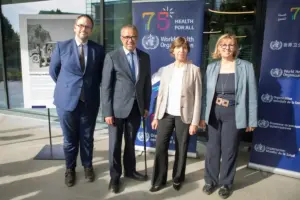
To mark this occasion, the FAO and the WHO have scheduled a series of high-level virtual engagements. On Friday, 5 June, ahead of the official UN observance, the two agencies will host a collaborative virtual celebration. This event is designed to bridge the gap between policy experts and the public, featuring special video addresses from the leaders of both organizations: FAO Director-General QU Dongyu and WHO Director-General Tedros Adhanom Ghebreyesus. Their messages are expected to reflect on the resilience of the global food system and the ongoing necessity of international cooperation in the face of evolving public health challenges.
The virtual program will include an interactive Facebook Live session, offering a direct channel for global experts to engage with an international audience. Participants will delve into the nuances of the "Food safety: everyone’s business!" theme, dissecting the practical roles that governments, manufacturers, vendors, and consumers must play to maintain safety standards. This session aims to translate high-level policy objectives into actionable insights for stakeholders at every level of the supply chain, ensuring that food safety remains a top priority even during periods of significant global instability.
The current global crisis caused by the COVID-19 pandemic has acted as a catalyst, forcing a re-evaluation of food safety systems on a global scale. The pandemic has highlighted, perhaps more starkly than ever before, the vulnerabilities within global supply chains and the immediate need for robust, adaptive monitoring systems. As restrictions on movement and trade have caused disruptions, the importance of maintaining rigorous safety protocols has become paramount. The FAO and WHO have emphasized that the ability to adapt to these disruptions is essential to ensuring that the food supply remains secure and that the risk of foodborne illness is kept to an absolute minimum.
The focus of the 2020 commemoration is, in many ways, a tribute to the essential workers who have kept the world fed during these trying times. From farmers and agricultural laborers to transport workers and grocery store staff, the individuals who have ensured that the crisis did not result in a collapse of food availability are central to this year’s narrative. Their contributions have been instrumental in preventing further health crises that could have arisen from food insecurity or the breakdown of hygiene standards. By dedicating World Food Safety Day to these individuals, the UN agencies are acknowledging the resilience of the human spirit and the strength of the systems that provide our daily sustenance.
The event, which is scheduled to take place on Friday, 5 June 2020, between 15:00 and 15:45 CET, will be hosted on the WHO’s official Facebook page. The program features a robust lineup of speakers who represent the technical and leadership backbone of the organizations. In addition to the aforementioned video messages from the Directors-General of the FAO and WHO, the session will benefit from the expertise of Dr. Francesco Branca, the Director of the WHO’s Department of Nutrition and Food Safety, and Dr. Sarah Cahill, a Senior Food Standards Officer with the Codex Alimentarius.
The Codex Alimentarius, or "Food Code," is a collection of internationally adopted food standards, guidelines, and codes of practice, and Dr. Cahill’s participation highlights the importance of standardized, evidence-based practices in protecting consumer health. These speakers will bring a wealth of knowledge to the Facebook Live session, addressing questions and providing insights into how the global community can better prepare for future challenges while maintaining the safety of the current food supply.
For the FAO and the WHO, the success of this day is not measured merely by the reach of the digital event, but by the extent to which the message of shared responsibility resonates with the public. They advocate for a holistic approach where transparency, data sharing, and international cooperation become the standard, rather than the exception. As the world looks toward the future, the lessons learned from the COVID-19 pandemic will undoubtedly shape the evolution of food safety regulations.
The observance of World Food Safety Day on 7 June acts as an annual focal point for these efforts. It is a day to recognize that the safety of food is a pillar of public health, an essential component of economic development, and a prerequisite for a sustainable future. As the FAO and WHO continue their work, they encourage governments to invest in stronger regulatory infrastructures, call upon businesses to adopt the highest standards of hygiene and quality control, and urge consumers to remain informed and vigilant about their food choices.
In preparation for the upcoming event, the communications teams at both the WHO and the FAO have been active in disseminating information and resources to help the public understand the vital nature of food safety. Pippa Haughton, a Communications Officer at the WHO, and Peter Mayer, representing FAO Media Relations, have been instrumental in facilitating the flow of information regarding the virtual celebration. Their efforts ensure that the message of World Food Safety Day reaches a diverse audience, from policymakers and food industry professionals to concerned citizens worldwide.
As the virtual celebration approaches, the message from the global health and food security community remains clear: the stability of our food systems depends on our collective actions. Whether through the implementation of international standards like those found in the Codex Alimentarius, or through the simple, daily actions of individuals choosing and preparing safe food, the goal remains the same—to create a world where safe food is a guarantee for everyone, regardless of their circumstances. The events of 5 June will serve as a launchpad for these discussions, reinforcing the commitment of the UN and its partners to a future where food safety is universally recognized as a fundamental human necessity. As the world watches, the FAO and WHO stand ready to continue their leadership, ensuring that food safety remains a central pillar of global health policy for years to come.