





The coronavirus disease (COVID-19) pandemic has brought about an unprecedented historical milestone, marking the first time in human history that technology and social media are being utilized on a massive, global scale to keep populations safe, informed, productive, and interconnected during a major health crisis. Digital infrastructure has become the backbone of modern society’s resilience, allowing remote work, virtual education, and immediate updates on the evolving epidemiological situation to reach billions of people within seconds.
However, this same digital ecosystem that society relies upon to stay connected and informed is simultaneously enabling and amplifying a parallel crisis: an "infodemic" that continues to severely undermine the global public health response and jeopardize critical measures designed to control the transmission of the virus.
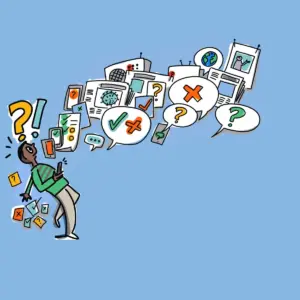
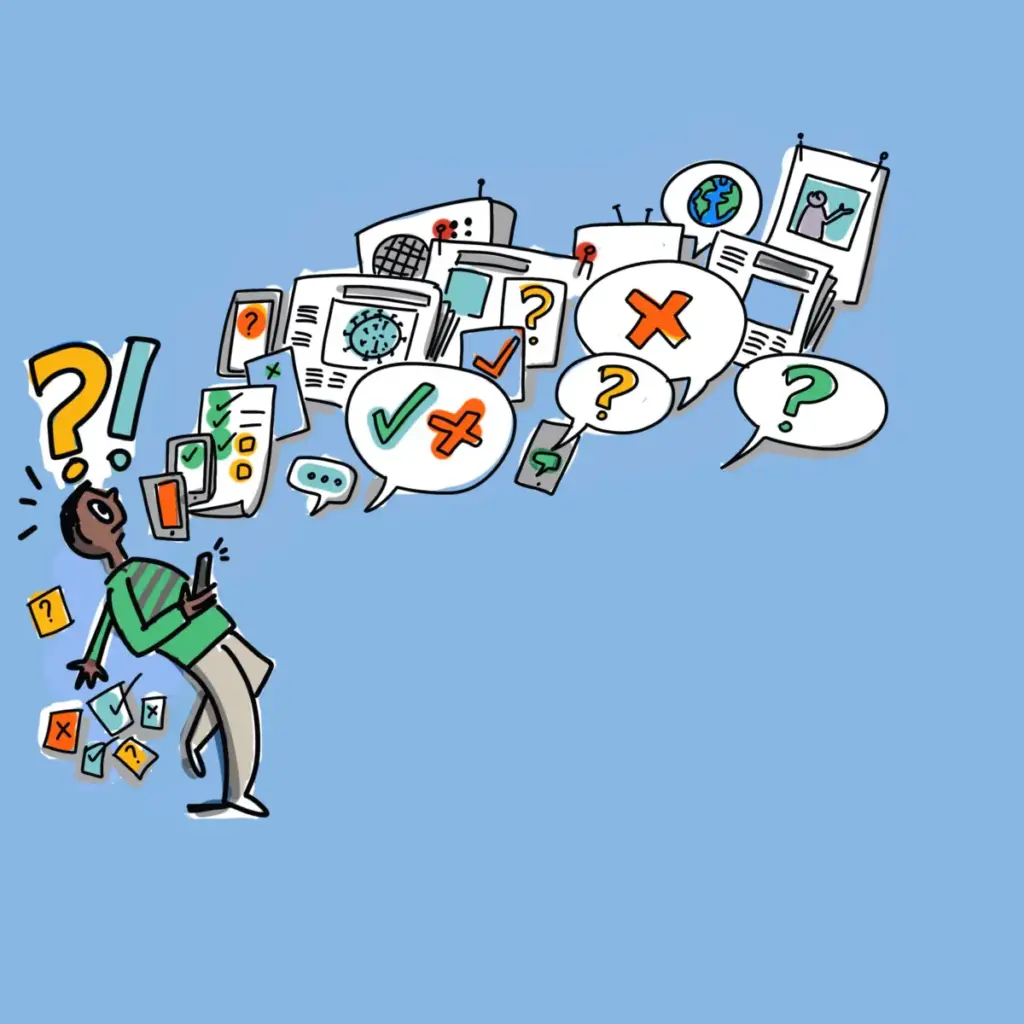
An infodemic is characterized by an overabundance of information, both online and offline, which makes it exceptionally difficult for individuals to identify trustworthy sources and reliable guidance when they need it most. Crucially, this phenomenon includes deliberate, coordinated attempts to disseminate false information specifically tailored to undermine public health authorities, sow public distrust, and advance the alternative political, economic, or social agendas of various groups or individuals.
The proliferation of misinformation and disinformation poses profound dangers to society. It can be deeply harmful to people’s physical and mental health, drive an increase in the stigmatization of affected individuals and vulnerable groups, threaten precious health gains achieved over decades, and lead to poor observance of basic public health measures. When populations lose trust in established science, the effectiveness of interventions diminishes significantly, severely endangering the capacity of countries to suppress the spread of the virus.
Misinformation, at its core, costs lives. Without the appropriate levels of public trust and correct, evidence-based information, essential diagnostic tests go unused out of fear or skepticism. Comprehensive immunization campaigns, including efforts to promote the adoption and distribution of effective vaccines, struggle to meet their targeted coverage thresholds, leaving populations unprotected and allowing the virus to continuously circulate, mutate, and thrive.
Furthermore, the unchecked spread of disinformation is dangerously polarizing public debate on vital topics related to the COVID-19 pandemic. It amplifies hate speech against minority and marginalized groups, heightens the risk of social conflict, sparks localized violence, and precipitates severe human rights violations. Over the long term, these corrosive dynamics threaten the foundational prospects for advancing democracy, protecting human rights, and maintaining fragile social cohesion across diverse societies.
Recognizing the severity of this digital and informational threat, the United Nations Secretary-General took decisive action in April 2020 by launching the United Nations Communications Response initiative. This sweeping effort was designed to actively combat the rapid spread of mis- and disinformation globally by promoting verified, science-based content. Complementing this initiative, the UN subsequently issued a comprehensive Guidance Note on Addressing and Countering COVID-19 related Hate Speech on May 11, 2020, aiming to protect vulnerable populations from targeted hostility exacerbated by pandemic-related anxieties.
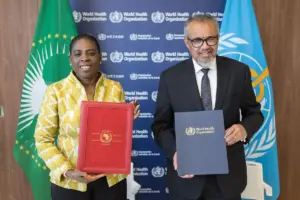
The momentum to address the infodemic also reached the highest levels of global health governance during the World Health Assembly in May 2020. Member States overwhelmingly passed Resolution WHA73.1 concerning the comprehensive COVID-19 response. This landmark resolution explicitly recognizes that actively managing the infodemic is a critical, non-negotiable component of successfully controlling the broader COVID-19 pandemic.
Resolution WHA73.1 calls upon all Member States to proactively provide reliable, accessible COVID-19 content to their populations, implement targeted measures to counter mis- and disinformation, and leverage digital technologies across all facets of the response. Furthermore, the resolution calls on international organizations to address mis- and disinformation within the digital sphere, work diligently to prevent harmful cyber activities that undermine the global health response, and robustly support the continuous provision of science-based data to the general public.
While the United Nations system, specialized agencies, and civil society organizations have continued to pool their collective expertise and knowledge to respond to the infodemic, the persistent uncertainty and anxiety generated by the ongoing pandemic underscore an urgent need for dramatically stronger action. Managing the infodemic effectively requires a deeply coordinated approach among sovereign states, multi-lateral organizations, civil society networks, and all other actors who hold a clear role and responsibility in combatting the tide of false information.
In light of these pressing challenges, international stakeholders are issuing a direct call to action directed at Member States, urging them to develop and implement comprehensive national action plans specifically tailored to manage the infodemic. These plans must focus on promoting the timely dissemination of accurate, transparent information that is firmly rooted in science and empirical evidence. This information must reach all communities equitably, with a particular focus on high-risk groups who may be more vulnerable to manipulation or lack access to reliable news channels. Concurrently, states must work to prevent the spread of, and actively combat, mis- and disinformation while strictly respecting and upholding the fundamental right to freedom of expression.
Furthermore, Member States are strongly urged to actively engage with and listen to their local communities as they design and refine their national action plans. Rather than imposing top-down messaging, authorities must empower communities from the ground up, enabling them to develop grassroots solutions and build enduring resilience against the manipulative tactics of mis- and disinformation campaigns.
The call for collaboration extends broadly to all other key stakeholders in the information ecosystem. This includes the media and major social media platforms—the primary infrastructure through which mis- and disinformation are disseminated globally—as well as academic researchers and technologists who possess the specialized capability to design and build effective strategies and tools to respond to the infodemic. Civil society leaders and influential public figures are likewise called upon to collaborate closely with the UN system, national Member States, and each other, further strengthening their collective actions to disseminate accurate information and proactively prevent the proliferation of false narratives.