







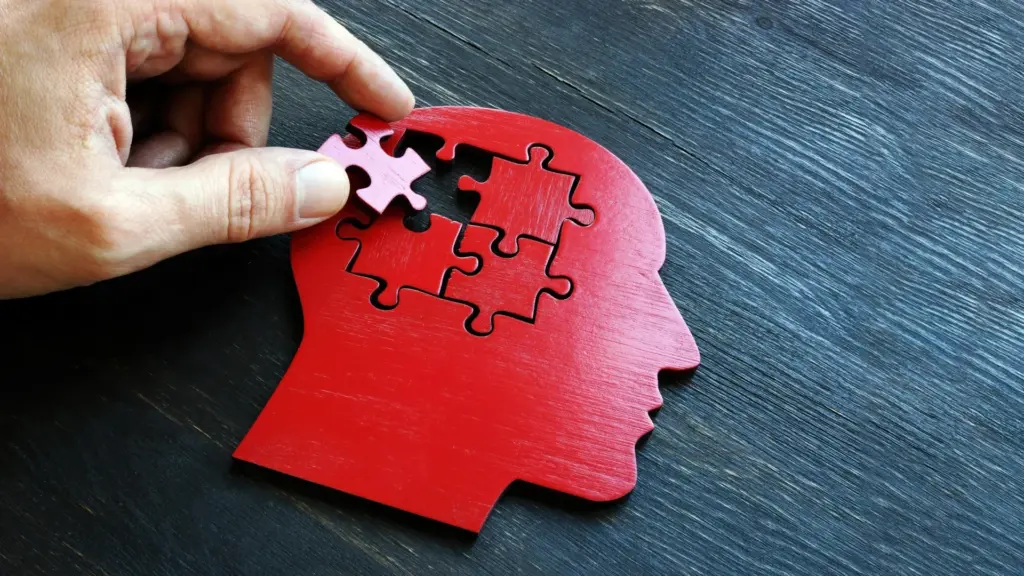
For decades, Alzheimer’s disease has been defined almost exclusively through the lens of cognitive decline. The hallmark symptoms—progressive memory loss, profound confusion, and the gradual erosion of executive function—have led the medical community to focus the vast majority of research and therapeutic development on the brain. However, groundbreaking new research from the University of Central Florida (UCF) suggests that we may have been looking at only half the picture. Scientists have discovered that the genetic mutations associated with Alzheimer’s disease can actively interfere with the nerves controlling muscle movement, even in the absence of the brain or spinal cord.
This discovery, published in Alzheimer’s & Dementia: The Journal of the Alzheimer’s Association, challenges the conventional wisdom that physical symptoms like changes in gait, balance, and coordination are merely secondary consequences of brain damage. Instead, the findings suggest that the peripheral nervous system—the network of nerves outside the brain and spinal cord—may be a direct site of disease activity. This insight could fundamentally shift how we approach early diagnosis and treatment, raising the possibility that movement difficulties are not just a byproduct of the disease, but an early, independent warning sign.
Rethinking the Origins of Alzheimer’s Symptoms
The research team, led by James Hickman, a professor at UCF’s Nanoscience Technology Center, and Research Professor Xiufang "Nadine" Guo, collaborated with scientists at the healthcare technology firm Hesperos to probe this phenomenon. Funded by the National Institutes of Health’s National Institute on Aging, the study utilized advanced "human-on-a-chip" technology to observe how inherited Alzheimer’s mutations influence motor function.
"Motor deficits may be an earlier indication [of Alzheimer’s]," Dr. Guo explains. "If we can detect those changes and intervene earlier, that could help delay the onset of central nervous system symptoms."
For years, clinicians have noted that some patients exhibit subtle physical impairments—such as a change in the way they walk or a loss of balance—years before they show significant cognitive impairment. Historically, these observations were categorized as downstream effects of neurological decay occurring in the brain. However, the UCF team questioned whether these were, in fact, independent issues stemming from the peripheral nervous system. By focusing their study on familial Alzheimer’s—a rare, inherited form of the disease that typically presents between the ages of 40 and 65—the researchers were able to isolate specific genetic markers to see if they could disrupt muscle control without the interference of the central nervous system.
The results were striking. The team found that motor neurons carrying these specific mutations disrupted the connections responsible for controlling muscles, even when the brain and spinal cord were entirely absent from the experimental system. This confirms that these mutations possess the capacity to directly impair the peripheral nervous system, potentially bypassing the brain to cause physical symptoms that emerge independently.
The Role of the Peripheral Nervous System
To understand why this is a breakthrough, one must consider the anatomy of the peripheral nervous system. This vital network acts as the body’s communication highway, carrying electrical signals from the brain and spinal cord to every muscle, organ, and sensory receptor. These motor neurons are the specialized cells responsible for transmitting the "contract" signal that allows us to perform any voluntary action, from walking to maintaining posture.
When these connections are compromised, the result is an impairment in the neuromuscular junction—the precise point where a nerve meets a muscle. Dr. Hickman notes that this discovery has significant implications for future pharmaceutical development. "This is the first time it’s been demonstrated that deficits in the peripheral nervous system can arise directly from these mutations," Hickman says. "It means drugs that target the brain may not fix problems in the rest of the body."
If a therapeutic intervention is designed solely to clear amyloid plaques or tau proteins within the brain, it may fail to address the underlying degradation occurring in the nerves that control the limbs. This could explain why some patients continue to struggle with physical coordination even when cognitive therapies are applied. Furthermore, Dr. Guo emphasizes that preserving physical movement is not just about mobility; it is also a protective factor for the brain itself. Regular physical activity is strongly linked to cognitive health, meaning that by protecting motor function, clinicians might inadvertently be providing a secondary layer of protection for the brain.
Innovating with "Human-on-a-Chip" Technology
The ability to make this discovery hinged on the use of innovative "human-on-a-chip" technology. Conventional laboratory research often relies on isolated cell cultures, which fail to capture the complex, multifaceted interactions of a living body. Conversely, animal models—while useful—often do not accurately reflect the specific nuances of human disease progression.
The miniature laboratory platforms used by the UCF team, manufactured by Hesperos, allow researchers to bring different types of human cells together in a controlled, integrated environment. By recreating the neuromuscular junction—the interface between motor neurons and muscle cells—on a chip, the scientists could observe exactly how the Alzheimer’s-linked mutations altered communication between the two.
In this study, the team used stem cells to create motor neurons that carried the familial Alzheimer’s mutation, then paired them with healthy muscle tissue. By designing this system without a brain or spinal cord, they effectively created a "clean" model to test their hypothesis. They measured the consistency of nerve signals, the strength of muscle contractions, and the fatigue levels of the muscles. The results were consistent: the mutated nerve cells were fundamentally less effective at communicating with the muscles, leading to poorer performance. As Dr. Hickman observes, "You can’t move unless the motor circuit works. When a doctor taps your knee to check your reflex, they’re testing that exact connection." The study proves that the Alzheimer’s mutation fundamentally weakens this essential circuit.
A New Frontier for Early Detection and Treatment
The implications of this research are vast, particularly regarding the timing of diagnosis. If movement disorders are indeed a primary symptom of Alzheimer’s, they could be leveraged as a "biomarker" for the disease long before the patient forgets a name or loses their way in a familiar neighborhood. Physicians could potentially incorporate gait analysis, coordination tests, and neuromuscular functional testing into standard check-ups for individuals with a family history of the disease.
However, the researchers remain cautious. While the study provides evidence that these mutations can produce effects beyond the central nervous system, further research is required to determine the exact timeline of these symptoms in human patients and how they correlate with the more common, sporadic forms of Alzheimer’s. The laboratory model demonstrates the biological possibility and mechanism, but the clinical reality in the general population requires more extensive study.
For the field of medical research, this work also underscores the utility of human-on-a-chip technology as a transformative tool. As scientists look toward developing new treatments, these systems offer a way to observe the systemic effects of a disease, rather than viewing it through a narrow, localized lens. This approach may help researchers identify drug candidates that are more effective, recognize potential side effects earlier in the development process, and understand the intricate biological cross-talk that defines human health.
For Dr. Hickman, who has dedicated three decades to refining these realistic laboratory models, the findings are a validation of the need to push beyond traditional research boundaries. By studying the disease in a way that more closely mirrors the actual environment of the human body, researchers are finally beginning to peel back the layers of Alzheimer’s, discovering that the path to a cure may lie in looking at the body as a whole, rather than focusing only on the mind. As the scientific community continues to digest these results, the focus may well shift toward a more holistic view of the disease—one that recognizes the importance of the peripheral nerves as a critical partner in the fight against Alzheimer’s.