








The COVID-19 pandemic has triggered a global mental health emergency, paralyzing critical services in 93% of countries worldwide at a time when the demand for psychological support is surging. A comprehensive new survey conducted by the World Health Organization (WHO), which polled 130 countries, provides the first definitive global data illustrating the devastating impact of the pandemic on access to mental health care. The findings serve as a stark warning to the international community, highlighting that the chronic underfunding of mental health systems—long a global policy failure—is now being exacerbated by a crisis that touches every corner of the planet.
The survey results were released as a clarion call ahead of the WHO’s "Big Event for Mental Health," a high-profile global advocacy summit scheduled for October 10. The event is designed to convene world leaders, prominent public figures, and mental health advocates to demand a radical shift in how nations invest in the mental well-being of their populations. As the world navigates the health and economic fallout of the pandemic, the WHO is emphasizing that mental health is not merely a component of health policy but a fundamental pillar of societal stability and individual well-being.
A Legacy of Chronic Underfunding
The current crisis must be viewed through the lens of a long-standing failure to prioritize mental health. Prior to the emergence of COVID-19, mental health services were already suffering from systematic neglect. On average, nations were allocating less than 2% of their total national health budgets toward mental health, leaving systems poorly equipped to handle the needs of their populations even in times of relative stability. This chronic lack of investment meant that many countries were struggling to provide basic care long before the pandemic began.
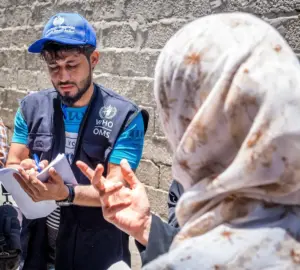
The pandemic has now acted as a powerful accelerant for this pre-existing vulnerability. The combination of bereavement, widespread social isolation, sudden loss of income, and the pervasive fear surrounding the virus has triggered a wave of mental health conditions and deepened existing ones. For many, the lockdown measures and economic instability have led to increased instances of anxiety, insomnia, and a concerning rise in alcohol and drug use.
Furthermore, the clinical intersection between COVID-19 and mental health is becoming increasingly clear. The virus itself is associated with various neurological and mental complications, including delirium, agitation, and stroke. Additionally, individuals living with pre-existing mental, neurological, or substance use disorders have been identified as being at a significantly higher risk of severe outcomes, including mortality, should they contract SARS-CoV-2.
Dr. Tedros Adhanom Ghebreyesus, Director-General of the World Health Organization, underscored the urgency of the situation during the report’s release. "Good mental health is absolutely fundamental to overall health and well-being," Dr. Tedros stated. "COVID-19 has interrupted essential mental health services around the world just when they’re needed most. World leaders must move fast and decisively to invest more in life-saving mental health programmes—during the pandemic and beyond."
Major Disruptions to Critical Services
The WHO survey, conducted between June and August 2020 across all six of the organization’s administrative regions, paints a sobering picture of how the pandemic has fundamentally altered the provision of mental, neurological, and substance use services. The data indicates that across the board, critical services have been curtailed, diverted, or outright suspended to accommodate the demands of the COVID-19 response.
While the necessity of shifting resources toward acute pandemic care is understood, the survey reveals that the gaps created by these closures are not being adequately filled. A significant portion of the world’s population is effectively being left without the support systems they rely on to manage conditions ranging from severe depression to substance dependency.
In an effort to adapt to these closures, many nations have turned to technology. Approximately 70% of countries reported adopting telemedicine or teletherapy to bridge the gap left by the suspension of in-person services. However, this shift has highlighted a profound global inequality. There is a stark disparity in the deployment of these digital interventions: while more than 80% of high-income countries have successfully implemented teletherapy solutions, less than 50% of low-income countries have been able to do the same. This "digital divide" in mental health care threatens to leave the most vulnerable populations in low-resource settings entirely without recourse.
The WHO has issued formal guidance to member states, urging them to maintain essential mental health services as an integral component of their pandemic response and recovery plans. The organization emphasizes that it is not enough to simply declare mental health a priority; nations must actively monitor disruptions in service delivery and reallocate resources accordingly.
Despite this, the gap between policy and practice remains wide. While 89% of countries surveyed indicated that mental health and psychosocial support were included in their national COVID-19 response plans, only 17% of those countries reported having secured full, additional funding to cover these activities. This shortfall reflects a recurring theme in global health: the tendency to include mental health in official declarations without the accompanying financial commitments necessary to implement change.
The Economic Case for Investment
The report argues that the global community must move beyond viewing mental health as a secondary concern. The economic implications of inaction are staggering. Even before the pandemic, it was estimated that approximately US$ 1 trillion in global economic productivity was lost every year due to depression and anxiety alone.
Investment in mental health is not just a moral or humanitarian imperative; it is a sound economic strategy. Studies have consistently shown that for every US$ 1 spent on evidence-based care for depression and anxiety, there is a return of US$ 5 in improved health and productivity. Yet, international aid remains lopsided, with mental health receiving less than 1% of all international aid earmarked for global health initiatives.
The WHO is now calling for a concerted effort from all stakeholders—individuals, businesses, governments, and civil society—to "Move for mental health." This initiative aims to close the persistent gaps in care and ensure that mental health programs receive the sustained, long-term funding they require.
Mobilizing the Global Community
As part of its ongoing campaign, the WHO is hosting "The Big Event for Mental Health" on October 10, coinciding with World Mental Health Day. This event represents an unprecedented attempt to bring together the global community to advocate for increased investment at every level of society.
The event, which is free and open to the public, will be broadcast from 16:00 to 19:00 CEST. It will be accessible across the WHO’s various digital platforms, including YouTube, Facebook, Twitter, TikTok, and LinkedIn. By leveraging these channels, the organization hopes to reach a global audience and ignite a conversation that moves beyond the immediate crisis of the pandemic and toward a future where mental health is prioritized as a core component of global health architecture.
For those looking to participate or follow the developments, the WHO has provided resources on their official campaign pages. The event will feature a lineup of performances, expert discussions, and advocacy messages designed to underscore that while the pandemic has created a crisis, it has also provided an opportunity to rectify the systemic neglect that has plagued mental health services for decades. The path forward, according to the WHO, requires immediate financial commitment and a fundamental shift in how nations value the mental well-being of their citizens.