






A comprehensive new global report released by the World Health Organization (WHO), UNICEF, and the International Baby Food Action Network (IBFAN) reveals that nations around the world are still failing to adequately protect parents from misleading information and the aggressive marketing of breast-milk substitutes. Despite ongoing global efforts to curb predatory promotional practices by the commercial baby food industry, the report underscores critical legislative gaps that leave families vulnerable to commercial influence during one of the most vulnerable periods in modern public health history.
The findings, published in the status report titled "Marketing of breast-milk substitutes: National implementation of the International Code – Status report 2020," arrive as health systems continue to grapple with the profound strains of the COVID-19 pandemic. According to the international organizations, the global health crisis has dramatically highlighted the urgent need for robust, enforceable legislation to protect families from false claims regarding the safety of breast-milk substitutes and predatory marketing strategies that undermine child nutrition.
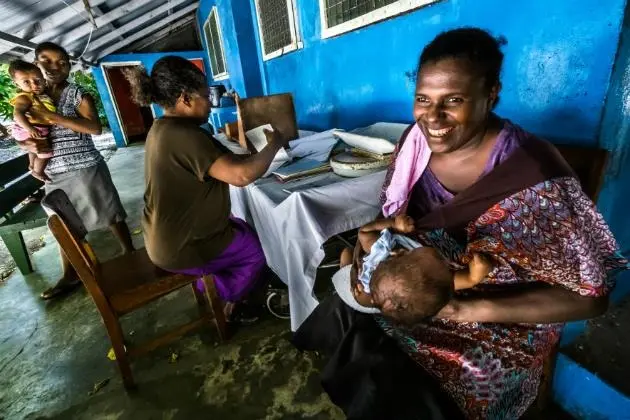
Breastmilk remains one of the most powerful interventions for safeguarding children’s lives, providing essential antibodies that deliver a critical health boost and protect infants against a wide array of common childhood illnesses. Infants who are exclusively breastfed are statistically fourteen times less than likely to die compared to babies who are not breastfed. Yet, despite these well-documented, life-saving advantages, only 41 percent of infants between zero and six months of age are currently exclusively breastfed globally. This falls significantly short of the target set by WHO Member States, who have collectively committed to increasing exclusive breastfeeding rates to at least 50 percent by the year 2025.
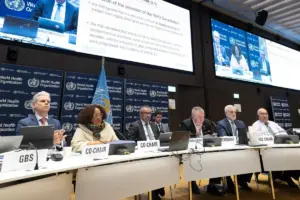
The inappropriate and aggressive marketing of breast-milk substitutes continues to severely undermine these vital public health efforts, a threat that international health authorities warn has only intensified during the COVID-19 pandemic. Out of the 194 countries analyzed in the new report, 136 have implemented some form of legal measure related to the International Code of Marketing of Breast-milk Substitutes and subsequent resolutions adopted by the World Health Assembly, collectively referred to as the Code. While attention to the Code is growing—evidenced by 44 countries strengthening their marketing regulations over the past two years—enforcement and comprehensive scope remain major hurdles.
A primary vulnerability identified in the report is that legal restrictions in the majority of nations still fail to fully cover marketing practices that occur directly within health facilities. Only 79 of the analyzed countries actively prohibit the promotion of breast-milk substitutes inside healthcare facilities, and a mere 51 countries maintain legal provisions that ban the distribution of free or low-cost supplies within the healthcare system. Furthermore, just 19 countries have enacted total prohibitions against the corporate sponsorship of scientific and health professional association meetings by manufacturers of breast-milk substitutes, which encompass infant formula, follow-up formula, and growing-up milks marketed for infants and young children up to 36 months of age.
Dr. Francesco Branca, Director of WHO’s Department of Nutrition and Food Safety, emphasized the profound impact of these commercial tactics on global health outcomes. He noted that the aggressive marketing of breast-milk substitutes, particularly through trusted health professionals whom parents naturally rely upon for essential nutrition and health guidance, constitutes a major barrier to improving newborn and child health worldwide. Dr. Branca stressed that healthcare systems must take decisive action to bolster parental confidence in breastfeeding, entirely free from commercial industry influence, to ensure that vulnerable children do not miss out on its proven, lifesaving benefits.
In line with established global health guidelines, the WHO and UNICEF strongly recommend that infants be fed exclusively with breast milk for the first six months of life. Following this initial period, infants should continue to be breastfed—alongside the introduction of complementary, nutritious, and safe foods—until they reach two years of age or beyond.
Breastfeeding Under Threat as Health Systems Stretched Thin
The convergence of the COVID-19 crisis and strained healthcare infrastructure has created a dangerous environment for infant nutrition. Essential healthcare services aimed at supporting new mothers in their breastfeeding journeys, including professional counseling and skilled lactation support, have been severely disrupted. Infection prevention measures, such as mandatory physical distancing and facility protocols, have complicated the delivery of community-based counseling and peer-to-peer mother support services.
This operational vacuum has left an alarming opening for the commercial baby food industry to capitalize on the crisis, stoking parental anxieties and diminishing public confidence in breastfeeding at a time when maternal and child support is needed most.
Dr. Victor Aguayo, UNICEF’s Chief of Nutrition, pointed out that as the pandemic has progressed, frontline health workers have been heavily diverted to emergency response duties, leaving healthcare systems overstretched. He emphasized that during such turbulent times, breastfeeding can protect the lives of millions of children, but new mothers cannot navigate this critical period without the direct support of trained health providers. Dr. Aguayo called for an immediate escalation of efforts to ensure that every mother and family receives proper guidance and support from qualified healthcare professionals right from the moment of birth, regardless of geographic location.
The International Code of Marketing of Breast-milk Substitutes was originally established to ban all forms of commercial promotion for breast-milk substitutes. This includes direct advertising, the provision of gifts or financial incentives to health workers, and the distribution of free promotional samples. Under the Code, product labels are strictly prohibited from featuring nutritional and health claims or utilizing idealized imagery that romanticizes infant formula. Instead, product packaging must carry clear messaging highlighting the biological superiority of breastfeeding over formula feeding, alongside transparent warnings regarding the health risks associated with not breastfeeding.
In response to the current landscape, the WHO and UNICEF are calling upon governments worldwide to urgently strengthen and enforce national legislation aligned with the Code throughout the ongoing pandemic. Furthermore, governments and civil society organizations are strongly advised against seeking or accepting donations of breast-milk substitutes during emergency situations, as such contributions often serve as a vehicle for inappropriate commercial promotion.
Patti Rundall of the IBFAN Global Council raised serious concerns regarding the misapplication of infection control protocols during the early stages of the global health crisis. She noted that generalized fear surrounding COVID-19 transmission has frequently eclipsed the established clinical importance of breastfeeding. In numerous countries, mothers and newborns have been separated immediately at birth based on speculative concerns, rendering breastfeeding and essential skin-to-skin contact virtually impossible despite a lack of supporting scientific evidence. Meanwhile, Rundall warned, the commercial baby food industry has actively exploited these infection fears by promoting and distributing free formula alongside misleading advice, often framing their commercial contributions as humanitarian aid to position themselves as trustworthy public health partners.
Breastfeeding and COVID-19
Addressing ongoing clinical concerns regarding the virus, the WHO and UNICEF have continuously updated their guidance based on emerging scientific evidence. To date, the active COVID-19 virus has not been detected in the breastmilk of any mother with confirmed or suspected COVID-19. Consequently, current empirical evidence indicates that it is highly unlikely for COVID-19 to be transmitted vertically through breastfeeding or through the administration of expressed breastmilk provided by a mother with a confirmed or suspected infection.
Health authorities maintain that the numerous immunological and nutritional benefits of breastfeeding substantially outweigh any potential risks of illness associated with the viral infection. It is not safer to provide infants with formula milk. Women with confirmed or suspected COVID-19 are explicitly encouraged to continue breastfeeding if they wish to do so, provided they adhere to standard respiratory hygiene measures. These precautions include wearing a medical mask when feeding close to the child, washing hands frequently with soap and water before and after physical contact with the infant, and routinely cleaning and disinfecting contaminated surfaces in the immediate environment. Even in circumstances where mothers do not have access to a medical mask, health experts advise that they should still follow all other recommended infection prevention measures and maintain their breastfeeding routines.
The newly released report serves as an urgent reminder to governments, regulatory bodies, and healthcare institutions that protecting, promoting, and supporting breastfeeding is a foundational public health imperative that requires continuous vigilance, stringent legal enforcement, and unwavering institutional defense against commercial interference.