


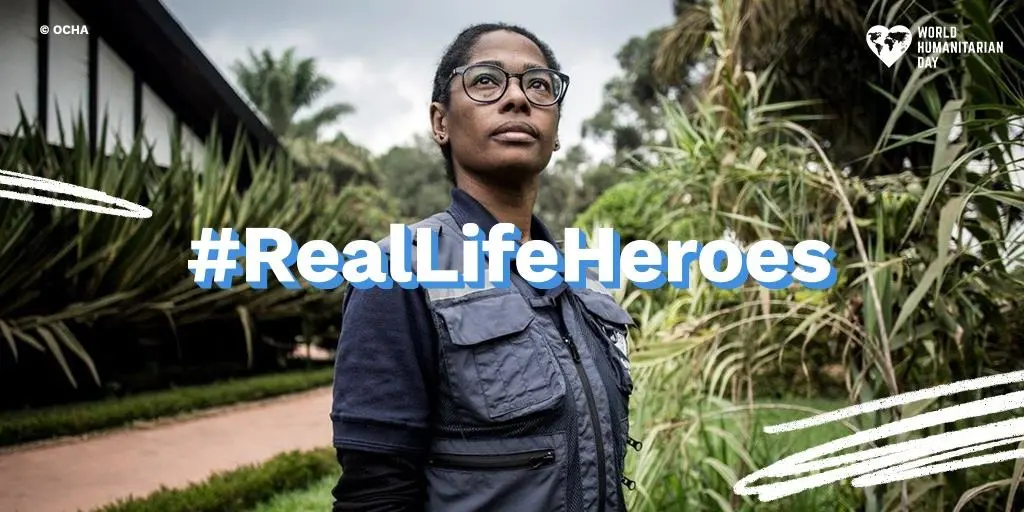
On World Humanitarian Day, the global community pauses to honor humanitarians—many of whom are working tirelessly within their own communities—who are going to extraordinary lengths during extraordinary times to help women, men, and children whose lives have been upended by compounding crises and the global COVID-19 pandemic.
The dedication, perseverance, and self-sacrifice of these real-life heroes represent the very best of humanity as they respond to the unprecedented public health emergency of COVID-19 alongside a massive, escalating increase in humanitarian needs worldwide. Across the globe, first responders are frequently people in need themselves, including refugees, active members of civil society organizations, and local health workers who form the backbone of community-level support. Operating in environments battered by conflict, displacement, natural disaster, and disease, these individuals bring essential provisions, including food, shelter, health care, protection, and vital hope to vulnerable populations.
However, humanitarian workers are currently being tested like never before in modern history. They are struggling daily with unprecedented movement restrictions designed to curb the pandemic, coupled with deeply insufficient resources as skyrocketing global needs rapidly outpace available funding.
Beyond logistical and financial hurdles, these aid workers all too often risk their own lives in the line of duty to save the lives of others. In recent weeks alone, despicable and targeted attacks have tragically killed aid workers in countries such as Niger and Cameroon. Furthermore, since the very onset of the global pandemic, scores of medical and health workers have come under alarming physical attack across various regions of the world.
According to data compiled by Humanitarian Outcomes in their authoritative Aid Worker Security Database, major attacks directed against humanitarians last year surpassed all previous years on record. A total of 483 relief workers were attacked in 2019, resulting in 125 deaths, 234 injuries, and 124 kidnappings across 277 separate security incidents. This sobering figure marks an 18 per cent increase in the total number of victims compared to the previous year, 2018.
This year marks the eleventh annual World Humanitarian Day, a special designation established by the United Nations General Assembly. The date falls on the anniversary of the devastating August 19, 2003, bombing of the UN canal hotel compound in Baghdad, Iraq, which tragically claimed the lives of 22 people, including the Secretary-General’s Special Representative for Iraq, Sergio Vieira de Mello. In the years since that dark day, nearly 5,000 humanitarians have been killed, wounded, or abducted globally. The decade spanning from 2010 to 2019 experienced a staggering 117 per cent increase in major security incidents and attacks against aid workers compared to the preceding decade of 2000 to 2009.
The escalation in violence has notably affected medical personnel. A sharp surge in attacks against health workers was officially recorded throughout 2019, including targeted strikes against medics operating in war-torn Syria and armed shootings directed at frontline Ebola response workers in the Democratic Republic of the Congo.
Geographically, the majority of these violent security incidents occurred in Syria, followed closely by South Sudan, the Democratic Republic of the Congo, Afghanistan, and the Central African Republic. Meanwhile, countries like Mali and Yemen both witnessed a doubling of major attacks against humanitarian personnel compared to the previous year. In response to these troubling trends, the United Nations has firmly condemned these attacks, issuing a strong call for complete accountability for perpetrators and absolute justice for survivors. The international community maintains the unified stance that relief workers can never, under any circumstances, be a target.
Mark Lowcock, the United Nations Under-Secretary-General for Humanitarian Affairs and Emergency Relief Coordinator, addressed the courage of the workforce in a statement marking the occasion.
"To humanitarian workers everywhere doing important, courageous work on the front lines we say Thank You," Lowcock said. "You are saving lives every day, and as new challenges and crises are piling on to existing ones, your perseverance is an inspiration. Your protection is also paramount to making sure we can deliver to people most in need. The best way to pay tribute to humanitarian workers is by funding their work and ensuring their safety."
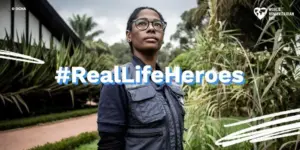
This year’s commemoration of World Humanitarian Day unfolds against the backdrop of an ongoing, grueling global fight against the COVID-19 pandemic. To appropriately pay tribute to the vast and varied efforts of humanitarians, the United Nations Office for the Coordination of Humanitarian Affairs (OCHA) and its institutional partners are presenting the personal, first-hand stories of individuals recognized as #RealLifeHeroes, with a particular focus on the invaluable contributions of local humanitarian workers.
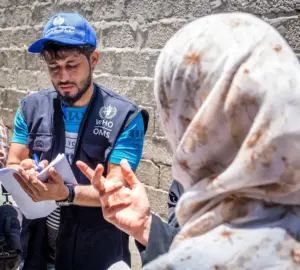
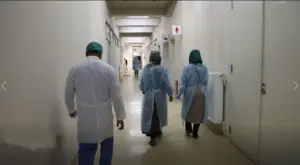
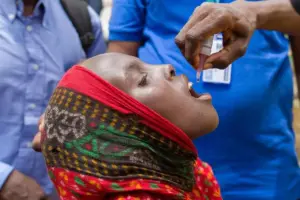
Among those being highlighted are refugees who, serving concurrently as health workers, are playing indispensable roles in the local and national pandemic response efforts. The roster of everyday heroes also features seasoned Ebola health workers who have seamlessly stepped in to help combat COVID-19, alongside dedicated doctors and nurses who continue to provide critical, life-saving health care to women and children despite the surrounding chaos.
The public and media are encouraged to read these inspiring accounts online through the official World Humanitarian Day web portal. For media professionals seeking further resources, comprehensive packages including photos, videos, and tailored social media assets have been made publicly available to support coverage of the day’s events.
The establishment of World Humanitarian Day dates back to 2008, when the United Nations General Assembly formally designated August 19 as a recurring date to raise international awareness concerning humanitarian assistance worldwide and to pay profound tribute to the brave individuals who routinely risk their lives to provide it. The very first World Humanitarian Day was officially commemorated on August 19, 2009, setting a precedent for global solidarity that continues to resonate across the international aid community today.