






The modern diet is increasingly defined by high levels of sodium, a trend that public health experts have long warned is a primary driver of global hypertension. While the cardiovascular risks of excess salt—such as stroke, heart disease, and chronic kidney damage—are well-documented, a growing body of scientific evidence suggests that the impact of a high-salt diet (HSD) extends significantly further, potentially compromising memory, executive function, and emotional well-being. As researchers scramble to find interventions that go beyond simple dietary restriction, a new study from Japan has identified a potential breakthrough: a soy-derived compound known as LPC70.
A collaborative research team led by Professor Akihiro Mouri and Dr. Hisayoshi Kubota has shed light on how this specific soy lysolecithin can influence the body’s internal signaling mechanisms to counteract the deleterious effects of salt. Their findings, published in Volume 197 of Neurochemistry International on July 1, 2026, offer a compelling look at how nutritional science might eventually provide a safeguard for both the brain and the kidneys.
The Mechanism of Action: Prostaglandins and Signaling Pathways
At the heart of the research is the complex world of prostaglandins (PGs). These are lipid-based signaling molecules, synthesized from arachidonic acid (AA), that function essentially as local hormones. In the human body, prostaglandins act as conductors in a vast, intricate orchestra of physiological processes. Within the cardiovascular system, they play a critical role in vascular tone, helping to regulate blood pressure by managing the contraction and dilation of blood vessels.
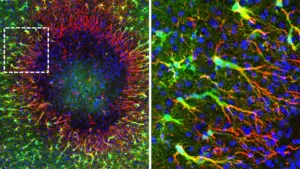
However, their role in the brain is markedly more nuanced. Prostaglandins interact with various receptors that can trigger diametrically opposed outcomes: in some instances, they serve to protect delicate nerve cells from oxidative stress and inflammation, while in others, they may facilitate processes that lead to cognitive decline and emotional volatility.
LPC70 is a specialized form of soy lysolecithin, characterized by a composition where lysophosphatidylcholine (LPC) accounts for more than 70% of the phospholipids. While previous preliminary experiments hinted that LPC70 could mitigate salt-induced hypertension and cognitive impairment in animal models, the biological "how" remained a mystery. The research team, affiliated with the Department of Regulatory Science for Evaluation and Development of Pharmaceuticals & Devices at Fujita Health University Graduate School of Medical Science and the International Center for Brain Science (ICBS), sought to map out these signaling pathways with precision.
Behavioral Impacts of Excessive Salt Intake
To assess the efficacy of the compound, the researchers observed mice subjected to high-salt diets. The results confirmed the expected cardiovascular toll: the mice developed significantly elevated blood pressure. However, the study’s most striking observations occurred in the animals’ behavioral patterns.
Beyond their physical health, the mice demonstrated a clear shift in their cognitive and social capacities. They exhibited a marked decline in social interaction and struggled to recognize objects they had previously encountered, suggesting that high-salt intake was actively interfering with memory consolidation and social cognition. Interestingly, the researchers noted that these impairments were selective; the mice did not show widespread behavioral dysfunction, such as significant changes in general mobility or generalized anxiety. This specificity suggests that the damage caused by excessive sodium may target high-level brain functions before causing broader neurological collapse.
When the researchers supplemented the diets of these mice with LPC70, the results were encouraging. The treated mice showed a clear reduction in blood pressure and a measurable improvement in their performance on memory-based object recognition tests and social interaction assessments. These findings prompted the team to peer into the organs most affected by the salt-heavy diet to understand what was occurring at the molecular level.
Disparate Protective Effects in Kidneys and Brain
The research team discovered that LPC70 acts differently depending on the organ system it is influencing, a sign of its sophisticated regulatory role. In the kidneys, a high-salt diet was found to increase the expression of cyclooxygenase-2 (COX-2) and the PGE2 receptor EP3. These are components known to contribute to salt-sensitive hypertension. By introducing LPC70, the researchers observed a suppression of these specific signaling components, effectively "resetting" the kidney’s response to sodium and helping to normalize blood pressure.
The narrative in the prefrontal cortex—the brain region critical for decision-making, complex thought, and social behavior—was quite different. In the high-salt environment, the expression of the PGD2 receptor DP1, which is associated with neuroprotection and anti-inflammatory processes, was notably reduced. LPC70 intervention successfully restored the expression of the DP1 receptor. Crucially, the compound did not interfere with the DP2 receptor, which is often associated with pro-inflammatory, harmful responses.
This selectivity is a vital discovery. It indicates that LPC70 does not function as a blunt instrument that suppresses all prostaglandin activity; rather, it appears to selectively enhance the protective pathways while leaving potentially necessary signaling functions intact.
A Paradox in Chemical Signaling
One of the most intriguing aspects of the study involved the metabolic handling of arachidonic acid. Typically, the body requires sufficient levels of this fatty acid to produce the prostaglandins needed for homeostatic regulation. The researchers found that mice on a high-salt diet had lower circulating levels of arachidonic acid, which one might expect to result in decreased prostaglandin production.
Counterintuitively, when LPC70 was administered, the levels of beneficial prostaglandins like PGE2 and PGD2 increased, even though the base levels of arachidonic acid remained limited. This suggests that LPC70 may improve the "efficiency" of the body’s metabolic machinery, allowing it to better utilize available raw materials to synthesize the signaling molecules required for protection against salt-related damage. This efficiency is a promising indicator for future dietary interventions, as it implies the body can be supported in its recovery even without massive external supplementation.
The Path Toward Human Application
While the study provides a robust explanation of how LPC70 coordinates changes in prostaglandin signaling across organ systems, the researchers are careful to emphasize that these results are currently limited to animal models. The road to human clinical application is long and requires rigorous testing to ensure that the findings hold true for the human physiology, which is significantly more complex than that of the mice studied.
"We wanted to understand the role of LPC70 in coordinating changes in PG signaling across organ systems," noted Professor Mouri. He further explained that the study was the culmination of a collaborative effort with Tsuji Oil Mills Co., Ltd., a company that specializes in the development of naturally derived food ingredients. The partnership highlights a growing trend in the pharmaceutical and food science industries: seeking functional food ingredients that can act as a bridge between basic nutrition and medicinal-grade health protection.
As global populations age and the prevalence of hypertension-related cognitive decline rises, the search for such dietary interventions has become a priority. By clarifying the molecular mechanisms of LPC70, the team at Fujita Health University has laid the groundwork for future clinical research. If these benefits can be replicated in humans, LPC70 could eventually serve as a valuable tool in the public health arsenal, helping to mitigate the systemic damage caused by modern, high-sodium diets and promoting healthier aging.
The study, which was released online on May 14, 2026, received extensive support from several prestigious organizations. Funding was provided by the Japan Society for the Promotion of Science (JSPS) through various Grants-in-Aid for Scientific Research, as well as the Fujita Mind-Brain Research & Innovation Center for Drug Generation (Fujita Mind-BRIDGe) under Japan’s Peak Research Universities (J-PEAKS) Program. Additional backing came from the Japan Science and Technology Agency (JST) FOREST Program, the Smoking Research Foundation, the Takeda Science Foundation, and the Tsuji Oil Mills Co., Ltd., which also provided resources through the Tsuji Health and Beauty Science Laboratory at Mie University. Through these diverse collaborative efforts, the researchers have opened a new door in the study of neuro-cardiovascular health, pointing toward a future where our diet might be better equipped to defend itself against the stressors of the modern world.