








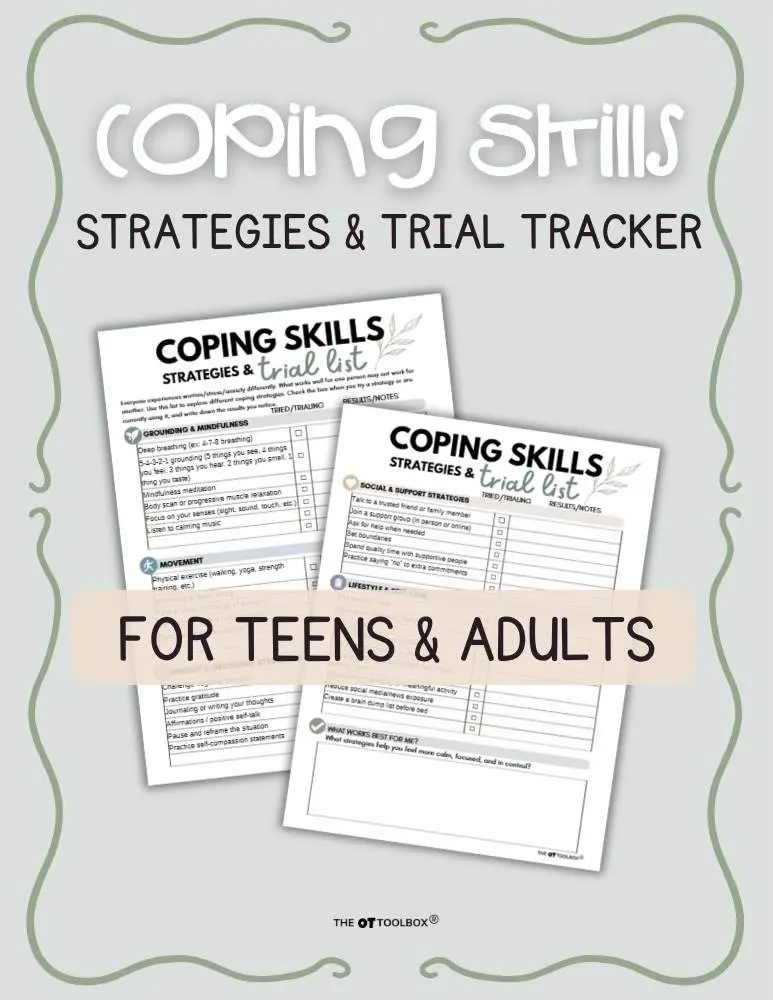
Mental health and occupational therapy advocates have introduced a structured, data-driven resource aimed at helping individuals navigate anxiety through intentional self-reflection and personalized coping strategies. Developed following the rollout of the "Daily Cup Reset Project"—a social media initiative focused on nervous system regulation—the new "Coping Skills for Anxiety Printable" offers a systematic way for adults, educators, counselors, and occupational therapists to test, track, and evaluate various emotional regulation tools.
Anxiety manifests differently across every individual. While some people experience classic cognitive symptoms such as racing thoughts and trouble concentrating, others face intense physical manifestations, including muscle tension, headaches, stomach discomfort, restlessness, and chronic fatigue. Because these symptoms frequently disrupt daily routines, work performance, sleep hygiene, executive functioning, and social participation, health professionals emphasize that a one-size-fits-all approach to coping rarely succeeds. A strategy that provides immediate relief for one person may prove entirely ineffective for another, highlighting the need for a structured method of discovery.
The newly released printable worksheet addresses this challenge by encouraging users to intentionally trial different techniques and document their specific outcomes rather than relying on random trial-and-error. By shifting away from guessing what might help, the worksheet assists users in identifying behavioral patterns, recognizing subtle changes in their emotional states, and ultimately constructing a customized coping toolbox tailored to their unique physiological and psychological needs.
Professionals across occupational therapy, education, and counseling fields can utilize the tool to guide clients through structured self-reflection. By moving past vague assessments like "it helped," users are prompted to record precise observations, such as noticing a reduction in shoulder tension, achieving faster sleep onset, or experiencing improved focus despite lingering worries. Over time, these detailed notes reveal clear patterns, helping individuals determine whether physical movement, sensory tools, cognitive reframing, or breathing techniques serve them best.
The initiative categorizes coping mechanisms into several core areas of regulation, beginning with grounding and mindfulness strategies. Grounding techniques are designed to interrupt repetitive worry cycles and future-focused thinking by redirecting a person’s attention immediately back to the present moment. Deep breathing exercises, alongside relaxation techniques, help regulate the autonomic nervous system to mitigate the physical symptoms associated with acute stress responses. Among these, the well-known 5-4-3-2-1 sensory technique directs focus outward by prompting individuals to identify specific items they can see, touch, hear, smell, and taste, effectively pulling the brain away from racing thoughts.
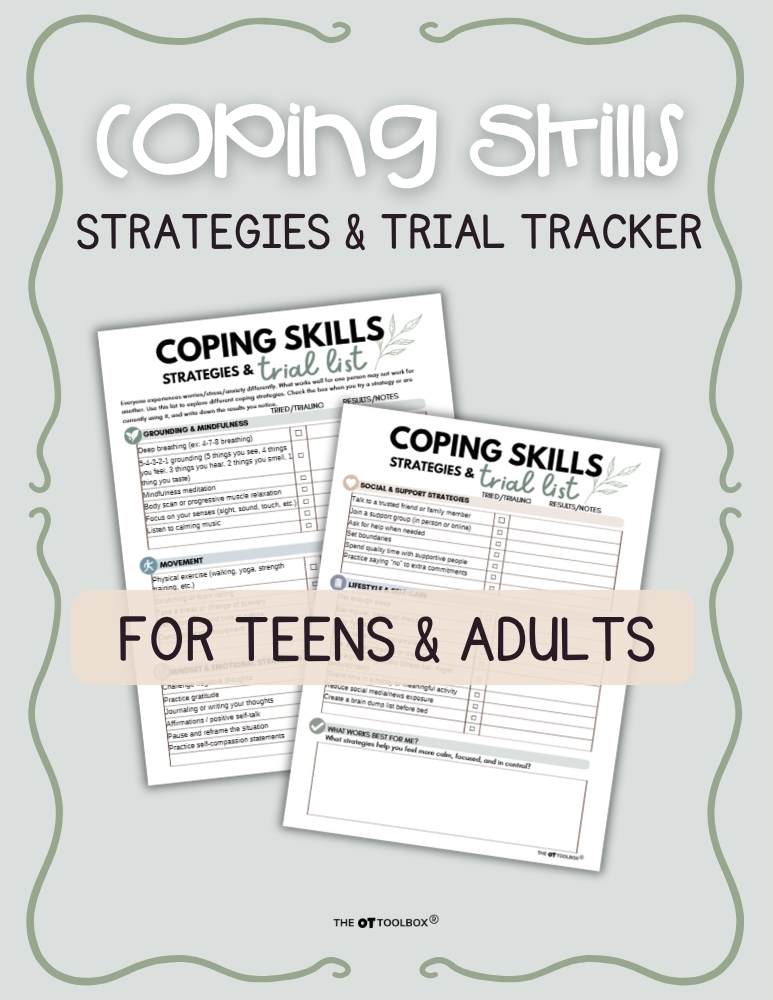
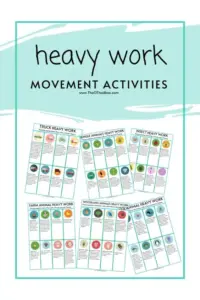
Physical movement and well-being also play a critical role in nervous system regulation. Because physical activity naturally increases endorphins and releases accumulated muscular tension, movement strategies can significantly influence emotional states. Experts note that heavy work activities, walking, stretching, or even minor changes in environment can deliver essential proprioceptive input that fosters body awareness and inner calm, making movement an integral component of a broader sensory lifestyle or sensory diet.
Beyond physical interventions, the resource addresses thinking patterns and emotional regulation. Anxiety often triggers cognitive distortions such as catastrophizing, persistent negative self-talk, and executive dysfunction. To combat these patterns, the worksheet incorporates cognitive strategies such as journaling to externalize and organize overwhelming thoughts, practicing positive self-talk, engaging in gratitude exercises, and utilizing cognitive reframing to challenge automatic negative assumptions.
Recognizing that humans naturally regulate through relationships, the framework also emphasizes social and support strategies. Although many adults feel an intense pressure to manage stress entirely on their own, maintaining supportive social connections remains one of the most powerful protective factors for long-term emotional well-being. Coupled with foundational lifestyle habits—such as maintaining consistent sleep hygiene, proper nutrition, and daily hydration routines—these social elements form a comprehensive foundation for stress management.
A central challenge highlighted in the release is the common tendency to abandon a coping strategy prematurely after a single trial. While some tools, such as deep breathing or sensory shifts, offer immediate relief within minutes, other strategies require consistent, repeated practice over a period of one to two weeks before their benefits become fully apparent. The tracking framework encourages consistency, noting that a strategy used only once during a moment of peak overwhelm may appear ineffective simply because the nervous system needs repeated exposure to build familiarity and ease of use.
As users document their journeys on the new printable tracker, they are encouraged to look beyond total symptom elimination. Often, the measure of a successful coping strategy is not the complete eradication of anxiety, but rather a subtle shift—such as feeling slightly more grounded, regaining the ability to concentrate, or finding the resilience to continue participating in daily activities.
The coping skills printable is currently available as part of a broader collection within the Coping Skills Toolbox, offering a practical bridge between theoretical self-care advice and tangible, evidence-based daily implementation for therapists, classrooms, and independent users alike.