







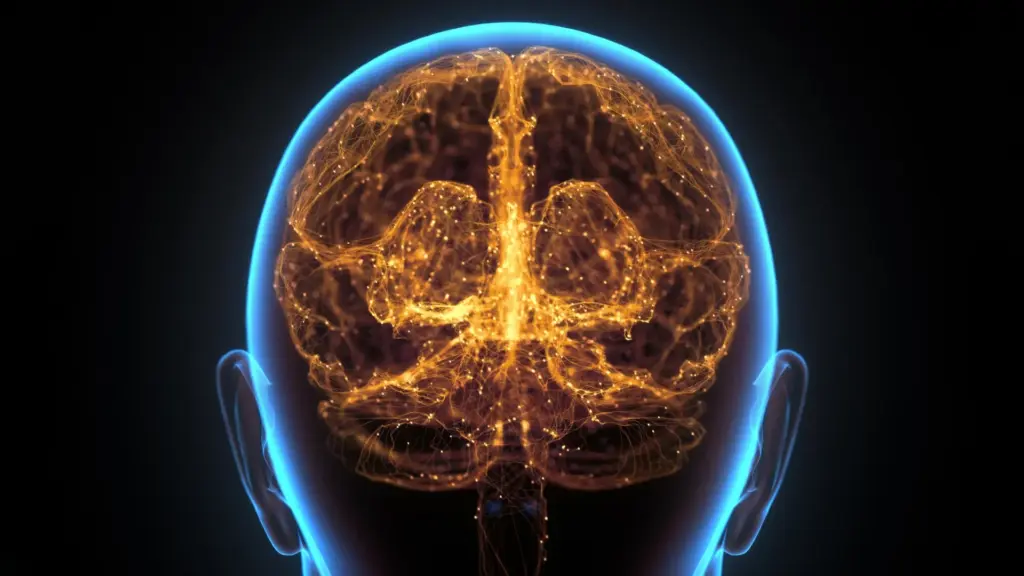
For decades, the prevailing dogma in neuroscience held that the brain was an "immune-privileged" organ—a secluded fortress isolated from the rest of the body’s defensive systems. This long-standing belief suggested that the brain was largely left to fend for itself, protected by the blood-brain barrier and detached from the systemic surveillance that guards other vital organs. However, a groundbreaking new study from researchers at the Washington University School of Medicine in St. Louis is shattering that outdated paradigm, revealing that the brain is not only connected to the immune system but is actively guarded by specialized, localized "security stations" tucked away within the skull itself.
The study, published in the journal Nature, describes the discovery of previously unknown, lymph node-like immune structures nestled within the bone marrow of the skull. These hubs appear to serve as first responders to brain-related threats, mobilizing immune defenses with remarkable speed. According to the research team, these structures become active in response to brain cancer long before more distant lymph nodes in the body even register that an anomaly exists.
A New Chapter in Neuroimmunology
The implications of this discovery are profound, suggesting that the cranium is far more than a simple protective casing for our most sensitive organ. "This study reveals that the skull bone marrow is far more than just a structural framework—it harbors previously unrecognized hubs for brain-specific immune responses," said the study’s senior author, Jonathan Kipnis, PhD, the Alan A. and Edith L. Wolff Distinguished Professor of Pathology & Immunology and a BJC Investigator at WashU Medicine.

For the scientific community, the findings represent the culmination of a decade-long shift in how we view the relationship between the central nervous system and the immune system. Dr. Kipnis’ laboratory has been at the forefront of this transformation. In previous work, his team helped overturn the notion of brain isolation by identifying lymphatic vessels in the dura mater, the protective outer layer of tissue surrounding the brain. More recently, the group mapped out tiny, microscopic physical channels that bridge the skull, the dura, and the underlying brain tissue. These channels act as a conduit, creating a direct highway for immune cells and cellular waste to travel between the brain and the skull’s bone marrow.
By tracking proteins as they moved out of the brain and through these newly mapped channels, the researchers were able to locate the organized immune structures within the bone marrow. These structures mirror the function of lymph nodes, which are the body’s traditional coordination centers for immune activity. Within these centers, T follicular helper cells interact with B cells to orchestrate the production of massive quantities of antibodies—proteins specifically designed to target and neutralize pathogens or cancerous cells. The existence of such sophisticated, organized immune hubs in healthy bone marrow was a complete surprise to the researchers.
"We have never seen such structures in healthy bone marrow before," noted Jang Hyun Park, PhD, the study’s first author and a postdoctoral research fellow in the Kipnis lab. "It is an exciting discovery that points out that a complex brain requires its own specialized immune structures to defend it." Crucially, the researchers also found evidence of similar immune cells in human skull bone marrow, providing a strong indication that this local defense system is not unique to mice and may play a vital role in human physiology as well.
The Frontline Against Brain Cancer
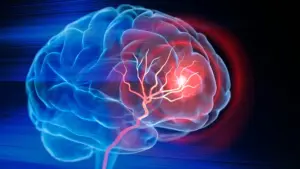
To determine whether these immune hubs truly function as a defense mechanism, the researchers utilized a mouse model of glioblastoma—an aggressive and notoriously difficult-to-treat form of brain cancer. By using a pharmacological agent to disrupt the function of the immune hubs in the skull, the scientists observed a marked difference in how the cancer progressed.
In mice whose immune hubs were compromised, tumors grew significantly faster, and the animals exhibited shorter survival rates compared to those with intact immune defenses. This evidence confirms that these skull-based structures are not merely passive bystanders; they are active, necessary components of the brain’s localized immune response. When the brain is under attack, these "security stations" appear to be the first to sound the alarm and initiate a counter-offensive.
Boosting the Brain’s Defenses
Building on these findings, the research team investigated whether these immune centers could be artificially strengthened to improve clinical outcomes. The researchers developed a targeted therapy designed to enhance antibody production directly within the skull bone marrow. By combining three distinct immune-boosting proteins into a specialized gel, they applied the treatment directly beneath the scalp of the mice.
The results were striking. The treatment triggered a surge of immune activity against the glioblastoma tumors. Most importantly, this immune surge was detected first within the skull bone marrow, confirming the hypothesis that these local hubs act as the primary, rapid-response unit. The activation of more distant lymph nodes occurred only later, reinforcing the idea that the skull is the brain’s first line of defense. Mice that received this gel-based treatment were significantly more effective at rejecting tumors and demonstrated a longer survival period than the control group.
Expanding Potential for Neurological Therapy
The discovery of these immune hubs opens a new frontier for the treatment of a wide range of neurological disorders. Because these immune centers are positioned in such close proximity to the brain, they offer a potential target for therapeutic intervention that could influence the brain’s immune environment without the need for systemic, whole-body treatments. Systemic immune therapies often carry the risk of severe side effects, as they can alter immune function in organs where it is not needed or could even be harmful.
"The finding fundamentally changes our current understanding of neuroimmunology," said Dr. Kipnis. "Knowing that the brain relies on first responders in the surrounding skull for defense has the potential to change how we think about developing therapies for many neurological conditions."
The list of potential applications is broad. Beyond brain cancer, the researchers believe that targeting these immune hubs could lead to new ways of treating conditions such as Alzheimer’s disease, Parkinson’s disease, schizophrenia, and even the neurological symptoms associated with long COVID. Each of these conditions involves an underlying immune component, and the ability to modulate that response locally—directly through the skull—could represent a massive leap forward in precision medicine.
As the researchers look toward future studies, the goal will be to refine these therapies and gain a deeper understanding of how these immune hubs communicate with the brain under varying states of health and disease. For now, the discovery serves as a powerful reminder that the human body is still full of biological mysteries, and that our understanding of the brain’s relationship with the rest of the body is still in its infancy. By identifying the skull as an active participant in neurological health, the Washington University team has provided a new map for future research, one that could one day lead to life-altering therapies for some of the most stubborn diseases in medicine.