








For speech-language pathologists (SLPs), educators, and parents, the journey of supporting a child who stutters is often marked by a search for structure, consistency, and evidence-based results. Navigating the complex emotional and physical landscape of communication disorders requires more than just occasional exercises; it demands a comprehensive, organized framework that can adapt to the unique needs of every child. To address this need, a new suite of fluency and communication curricula has been introduced, offering clinicians a structured roadmap designed to turn the often-daunting task of therapy into a clear, measurable, and highly effective process.
These new programs are built on the philosophy that every child deserves to feel heard and understood. By providing a clear, organized framework for addressing stuttering, cluttering, and word-retrieval challenges, these curricula aim to equip children and teens with the tools they need to communicate with greater comfort, confidence, and control. Whether a student is navigating a high-pressure classroom presentation, engaging in casual conversation with friends, or simply trying to express their thoughts in a community setting, the strategies embedded in these plans are designed for real-world application.
A Structured Approach to Foundations for Fluency
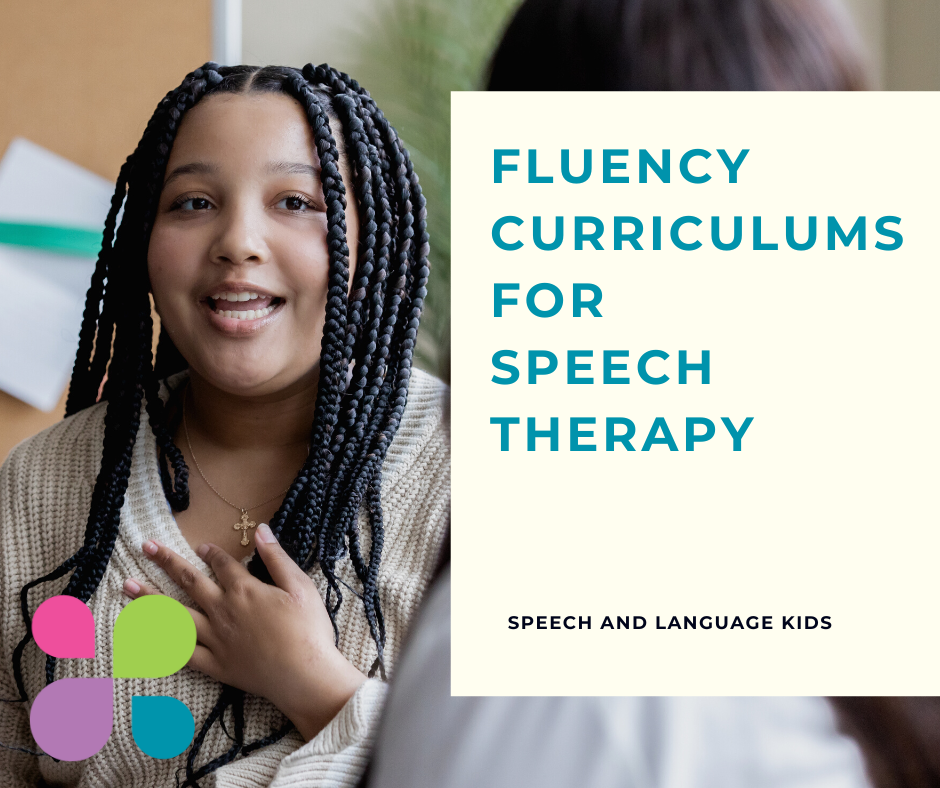
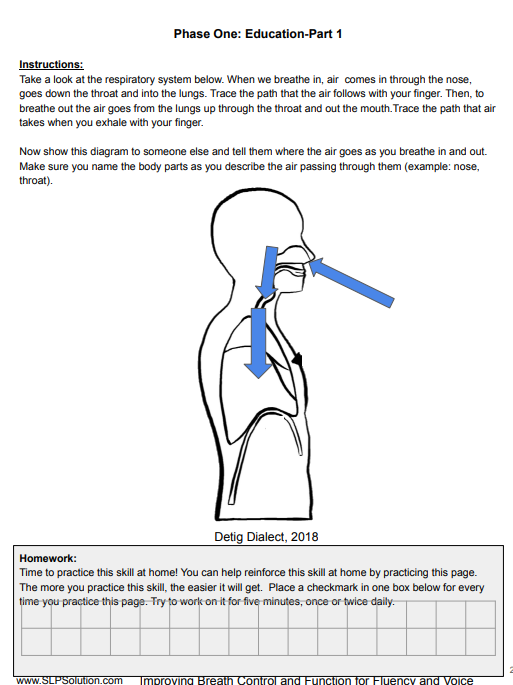
At the heart of this initiative is the "Foundations for Fluency" curriculum, which focuses on the physiological and psychological aspects of speech. This program is specifically designed to help children and teens establish the building blocks of fluent speech. Recognizing that speech is not merely a mechanical process, the curriculum emphasizes the coordination of breath with speech. By teaching students to regulate their breathing, they can better manage the physical flow of their words.

Beyond the mechanics, this level of the program delves into the vital work of increasing awareness of disfluencies and managing the complex emotional responses often associated with them. For many young people who stutter, the anxiety of speaking can be as challenging as the disfluencies themselves. This curriculum fosters a sense of self-acceptance and confidence, guiding students through three distinct levels of development. The beginner level focuses on breath-speech coordination for children aged five to eight, while the intermediate level, aimed at children aged seven to ten, targets the management of reactions to fluency struggles. Finally, the advanced level for teens aged 10 to 15 emphasizes self-monitoring and the carryover of fluency strategies into everyday life. By providing this tiered approach, the program ensures that children receive support tailored to their developmental stage.

Transforming Stuttering Therapy Through Proven Roadmaps
The primary "Stuttering Curriculum" serves as a comprehensive tool for clinicians, effectively removing the guesswork from therapy planning. For years, many professionals have faced the challenge of piecing together materials from various sources to build a cohesive plan. This new curriculum offers a unified, easy-to-follow path that provides clinicians with the materials necessary to conduct sessions that are both productive and confidence-building.
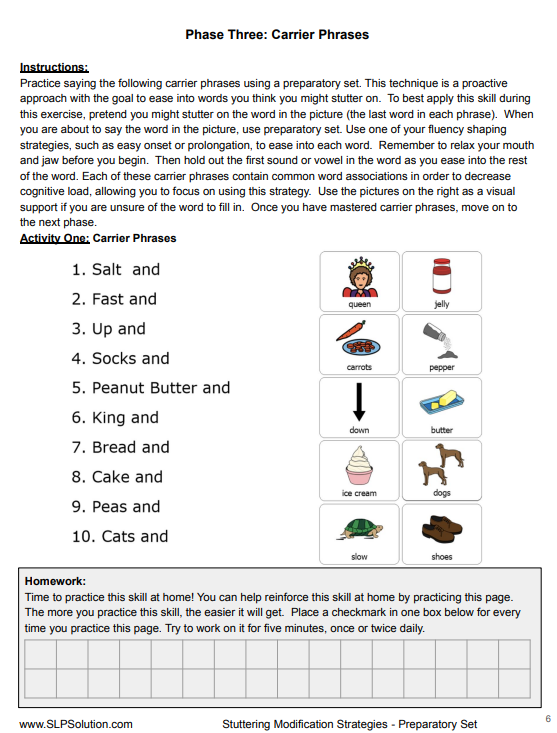
The curriculum is structured into three levels, ensuring that it remains relevant as a child grows. The beginner level focuses on indirect therapy for young children aged two to six, creating a supportive environment that minimizes pressure. As children reach the ages of four to eight, the curriculum transitions to fluency shaping techniques, which provide more direct methods for managing speech flow. For older students aged seven to ten and beyond, the program introduces stuttering modification techniques, which empower individuals to manage their stuttering moments with greater ease and reduced frustration. This progression ensures that the therapeutic goals evolve alongside the child, providing a long-term strategy for success.
Addressing Cluttering and Word-Retrieval Challenges
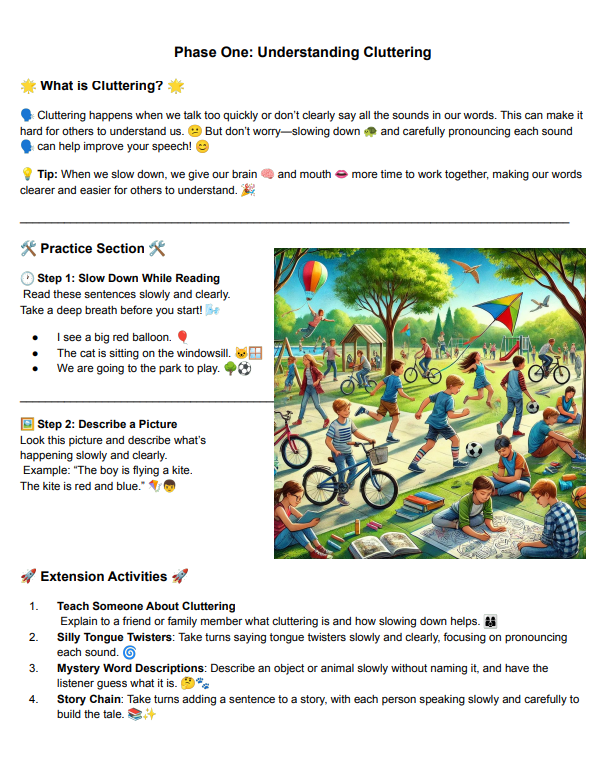
While stuttering often garners the most attention, other fluency and communication disorders—such as cluttering and word-retrieval deficits—can be equally disruptive to a child’s confidence. The "Cluttering Curriculum" provides a systematic, step-by-step program to help students develop clearer, more organized speech. Cluttering, which often involves an excessively fast or irregular speech rate, can make communication difficult for the listener to follow. This program tackles these issues through specific, focused strategies that help children from age seven through their early teens slow down and organize their thoughts before speaking.
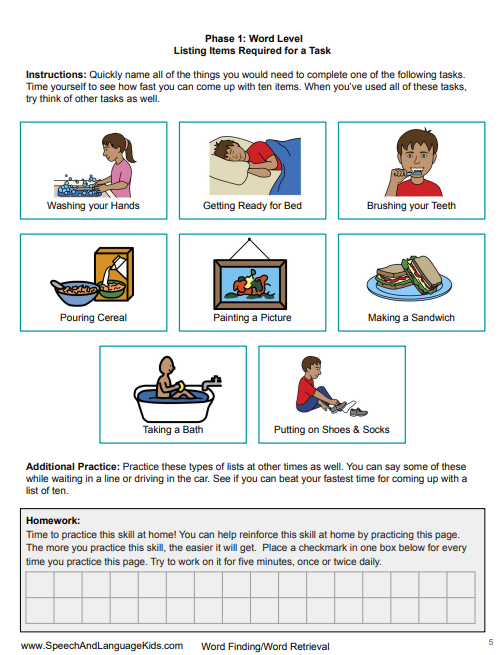
Simultaneously, the "Word Finding/Word Retrieval Curriculum" addresses the common frustration of "knowing what you want to say but being unable to find the word." For many children, this difficulty can lead to significant communication apprehension. By using semantic, phonological, and conversational strategies, this curriculum helps children build the cognitive tools necessary to improve their retrieval speed, accuracy, and overall confidence. By breaking these complex linguistic tasks into manageable, evidence-based lessons, the program helps students navigate their vocabulary with greater ease.
Professional Support for a Unique Journey
The creators of these curricula acknowledge that the path to effective communication is rarely linear. Every child’s journey is unique, and clinicians often find themselves "reinventing the wheel" to meet the needs of each new patient. This new collection of resources aims to change that dynamic. By offering comprehensive therapy plans for every major area of communication, the platform allows clinicians to spend less time on administrative planning and more time on direct engagement with their students.
The goal is to provide a sense of stability for both the therapist and the child. When a clinician is equipped with a clear, step-by-step roadmap from the first session to the achievement of mastery, the therapy process becomes more consistent. For the child, this clarity can translate into faster progress and a more positive experience. As children begin to communicate with more clarity and confidence, the impact on their daily lives—in school, at home, and in their social circles—can be transformative.
Accessibility and Ongoing Resources
Recognizing the need for accessible professional development, the initiative also provides resources to keep clinicians informed and supported. Beyond the core curricula, the program includes a variety of educational content, such as podcasts and digital resources, designed to keep speech-language pathologists updated on the latest strategies and best practices. These resources provide a bridge between theoretical knowledge and practical, in-session application.
By providing instant access to these materials, the program offers a low-risk way for professionals to enhance their practice. In an era where clinicians are often overwhelmed by caseloads and time constraints, having access to pre-planned, research-backed curricula can be a vital resource. It shifts the focus from preparing for a session to truly connecting with the child in the room.
The introduction of these structured, comprehensive programs marks a significant step forward in the field of speech therapy. By emphasizing not only the mechanical aspects of speech but also the emotional and cognitive components of communication, these curricula offer a holistic approach that respects the individuality of every child. As these tools become more widely integrated into clinical and educational settings, the hope is that more children will find the support they need to express themselves freely and feel truly understood by the world around them. With a clear plan in place, the path to confident communication becomes not just a goal, but an attainable reality for thousands of children and teens.