







For many speech-language pathologists (SLPs), the daily grind of clinical practice is often punctuated by the daunting task of curriculum design. Professionals frequently find themselves navigating a fragmented landscape of disparate resources, spending hours cobbling together materials from various marketplaces, such as Teachers Pay Teachers, in an attempt to create a cohesive lesson plan. This laborious process, while born out of a dedication to patient outcomes, often leads to burnout and a sense of professional exhaustion. In response to this widespread industry challenge, the team at Speech and Language Kids (SLK) is doubling down on its mission to redefine how therapy is structured, delivered, and experienced by clinicians and students alike.
The core of this initiative lies in the SLK Curriculum, a comprehensive, structured framework designed to replace the ad-hoc approach that has long defined much of the field’s supplemental instruction. By offering organized, step-by-step therapy plans, the curriculum aims to streamline the clinical workflow, making the teaching of communication skills not only more efficient but also significantly more effective. The move represents a shift away from the "resource-hunting" culture that has historically burdened SLPs, replacing it with a standardized, evidence-informed pathway that allows clinicians to focus their energy on the human element of therapy—the connection with their clients.
The necessity for such a change is rooted in the current realities of speech-language pathology. As caseloads become increasingly complex and administrative pressures mount, the time available for individualized lesson planning has dwindled. Clinicians are often forced to choose between thorough preparation and personal well-being. The SLK Curriculum addresses this tension directly by providing a scaffolded approach that ensures consistency across sessions without sacrificing the flexibility required to meet the unique needs of individual children. By providing a backbone for therapy sessions, the program allows SLPs to spend less time organizing materials and more time engaging with the children who rely on their expertise.
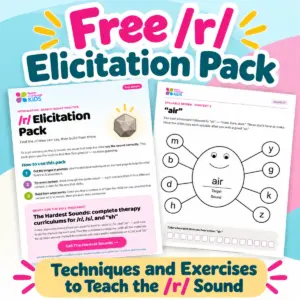
Over the years, the impact of this structured approach has been profound. Thousands of SLPs have integrated SLK’s programs into their daily practice, reporting a renewed sense of professional satisfaction and, more importantly, seeing tangible improvements in the communication outcomes of their clients. This community-driven success has validated the organization’s hypothesis that the key to better therapy is not just more materials, but better-organized systems. The feedback loop established between the developers and the practitioners on the front lines has become a cornerstone of the company’s evolution, fostering a supportive ecosystem where clinicians feel empowered rather than overwhelmed.
However, the organization views these accomplishments as merely the beginning of a broader transformation within the field. Recognizing that the landscape of speech-language pathology is constantly shifting—influenced by new research, changing school and clinical requirements, and the evolving communication needs of a modern generation of children—the team at Speech and Language Kids is currently in a phase of aggressive innovation. They are actively developing and deploying new programs, each designed with the specific goal of enhancing the support provided to both the practitioners and the families they serve.
This focus on innovation is not merely about creating new digital assets; it is about building a more sustainable future for the profession. By analyzing the common pain points that continue to plague SLPs, the team is working to bridge the gap between theoretical best practices and the practical, real-world application of therapy. This involves integrating more intuitive planning tools, expanding the scope of existing curriculum modules to cover a wider array of speech and language disorders, and fostering a community where collaboration and mentorship can thrive. The objective is to move toward a model where the curriculum serves as a living, breathing guide that grows alongside the clinician.
The commitment to this ongoing development is indicative of a larger movement that Speech and Language Kids is championing: the professionalization and standardization of therapy resources. By moving away from the reliance on fragmented, unverified, or inconsistent materials, the field can begin to establish a more reliable baseline for quality care. This, in turn, helps to elevate the standing of SLPs, positioning them not just as service providers, but as highly efficient, data-driven educators capable of delivering consistent results.
As the organization looks to the future, it is clear that the integration of technology, pedagogy, and community support will be the driving forces of their mission. The invitation to join this movement is extended to all SLPs who are feeling the strain of the current system and are seeking a more sustainable, impactful way to conduct their work. It is an appeal to those who believe that the future of the profession lies in collective innovation rather than individual struggle.
The narrative surrounding the SLK Curriculum is one of transition—a transition from a landscape of scattered, high-effort resources to one of integrated, high-impact systems. As the organization continues to iterate on its offerings, the focus remains steadfast on the children who are the ultimate beneficiaries of these improvements. When an SLP is supported by a robust, well-organized curriculum, the quality of interaction during a therapy session improves, the pace of progress for the child often accelerates, and the therapy process becomes a more rewarding experience for everyone involved.
The path forward for Speech and Language Kids involves a delicate balance of maintaining the core principles that have made their structured programs successful while simultaneously pushing the boundaries of what is possible in clinical instruction. This includes responding to the feedback of their growing user base, monitoring the effectiveness of their newest modules, and ensuring that their resources remain accessible to a diverse range of clinicians working in vastly different settings, from private clinics to public school systems.
Ultimately, the goal is to build a future where the frustration of piecing together therapy plans is a thing of the past. By providing the tools that make teaching communication skills easier, faster, and more effective, the organization is effectively lowering the barrier to entry for high-quality care. This is not just about changing a curriculum; it is about changing the culture of the profession. As the team continues to innovate, they invite the broader community of speech-language pathologists to engage with these new tools and contribute to the ongoing evolution of the field. The message is clear: the future of speech-language pathology is being constructed today, and the collective efforts of those within the profession are what will determine its success in the years to come. Through this movement of structured support, clinicians are finding that they don’t have to choose between their passion for helping children and their own professional sustainability—they can, through the right systems, have both.