





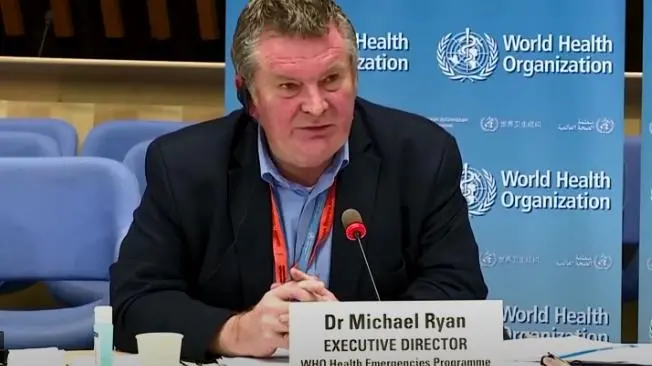
GENEVA — Speaking on behalf of World Health Organization (WHO) Director-General Dr. Tedros Adhanom Ghebreyesus and Dr. Ahmed Al-Mandhari, WHO Regional Director for the Eastern Mediterranean Region, representatives delivered an urgent and sobering message regarding the catastrophic humanitarian situation in Yemen, describing it as the most complex and devastating operation in the world today. Addressing international delegates, the WHO leadership underscored that while the country has endured years of relentless conflict, the arrival of the COVID-19 pandemic has pushed an already fragile health system completely over the edge, leaving frontline healthcare workers exhausted, frustrated, and deeply vulnerable.
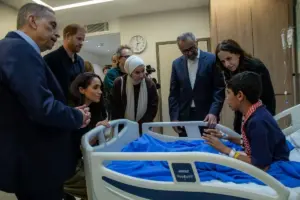
The gravity of the crisis was illustrated by reflecting on previous visits and observations made by senior health officials. When Dr. Al-Mandhari visited Yemen, he witnessed firsthand the harrowing realities faced by everyday citizens: parents desperately searching for medical help for their sick children, an elderly man passing away right before the eyes of physicians trying frantically to save him, and the grieving son of a doctor who tragically lost his life to cholera while selflessly treating infected patients. These personal accounts paint a vivid picture of a healthcare infrastructure buckling under the dual pressures of violent conflict and rampant disease.
Yet, despite the overwhelming obstacles, the WHO and its international partners have maintained a steadfast presence on the ground, standing shoulder-to-shoulder with the people of Yemen for the past five years. When the nation was struck by what became the world’s largest recorded cholera outbreak, coordinated intervention efforts successfully reversed the devastating cycle of the disease, safeguarding more than 10 million people from infection. Similarly, when measles threatened the youngest segments of the population, aggressive vaccination campaigns managed to reach and protect over 12 million children across the country.
Furthermore, as severe acute malnutrition spread rapidly among vulnerable populations, the WHO and its key partner, MED-COM, stepped in to support an astounding 80 percent of all therapeutic feeding centers in Yemen. This vital intervention achieved a remarkable survival rate of 91 percent for children suffering from severe medical complications linked to malnutrition. As violence and illness continued to claim lives, the WHO and its network of partners provided crucial backing for 70 percent of all medical consultations conducted throughout the country, a monumental feat made possible entirely through the generous financial contributions and sustained support of international donors.
However, the unprecedented emergence of the COVID-19 pandemic has radically altered the landscape, exacerbating existing vulnerabilities to a breaking point. The emotional and physical toll on medical professionals has been immense. Highlighting the despair on the ground, a physician working at the Kuwait Hospital in Sana’a recently shared a poignant and haunting sentiment, stating that he was completely exhausted by war and politics, exhausted by rumors and ignorance, and exhausted by greed and poverty.
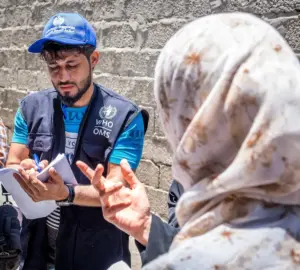
Despite these crushing constraints and the daily peril they face, this courageous physician and countless other committed healthcare workers continue to report to duty, serving their communities day in and day out. In solidarity with these frontline heroes, the WHO and its partners have pledged to maintain their operations, vowing to continue equipping, upgrading, and expanding the number of isolation centers to 59 facilities spanning the entire country. Plans are also underway to establish and properly equip emergency operations centers, alongside intensive training programs for healthcare workers and rapid response teams. These efforts aim to scale up the number of active response teams from over 300 to more than 900 in the coming weeks, while simultaneously intensifying community education initiatives and expanding testing capabilities without compromising the delivery of other essential health services.
Logistical efforts remain in full swing to ensure critical supplies reach those who need them most. Just last week, utilizing the specialized COVID Supply Chain Platform, the WHO and the World Food Programme (WFP) successfully airlifted over 34,000 kilograms of vital medicines and medical supplies into Yemen. This shipment included more than 6.5 tons of personal protective equipment (PPE) designed to safeguard healthcare personnel, as well as essential laboratory diagnostics to support the functional laboratories established and maintained by the WHO for accurate COVID-19 diagnosis. Demonstrating continuous momentum, preparations are already underway for another substantial delivery this week, comprising over 7 tons of PPE and 18 tons of essential medicines.
While international organizations are doing everything humanly possible to serve the population even as the pandemic rages on, the leadership emphasized that a massive scale-up of both COVID-19 and non-COVID health operations is urgently required. Providing adequate assistance to what remains one of the most vulnerable populations on Earth demands a renewed and robust commitment from the global community.
Acknowledging the current global climate, the WHO noted that in a world where nations everywhere are struggling to respond to their own domestic health crises, maintaining critical support for external populations presents a formidable challenge. Nevertheless, the organization insisted that within the context of this global crisis, the international community must recognize that there are communities and individuals facing exponentially higher risks and vastly greater vulnerabilities.
The global response to the crisis in Yemen will serve as a profound moral measuring stick. The international community will ultimately be judged by how effectively it serves those who possess the least, how diligently it works to ease the profound suffering of those who bear the heaviest burdens, and how meaningfully it assists those who are entirely helpless in the face of disaster. Emphasizing the fundamental prerequisite for sustainable recovery, the organization concluded with a clear and resolute declaration that peace is desperately needed for health, and that with lasting peace, humanitarian partners can successfully achieve their ultimate vision of delivering health for peace.