








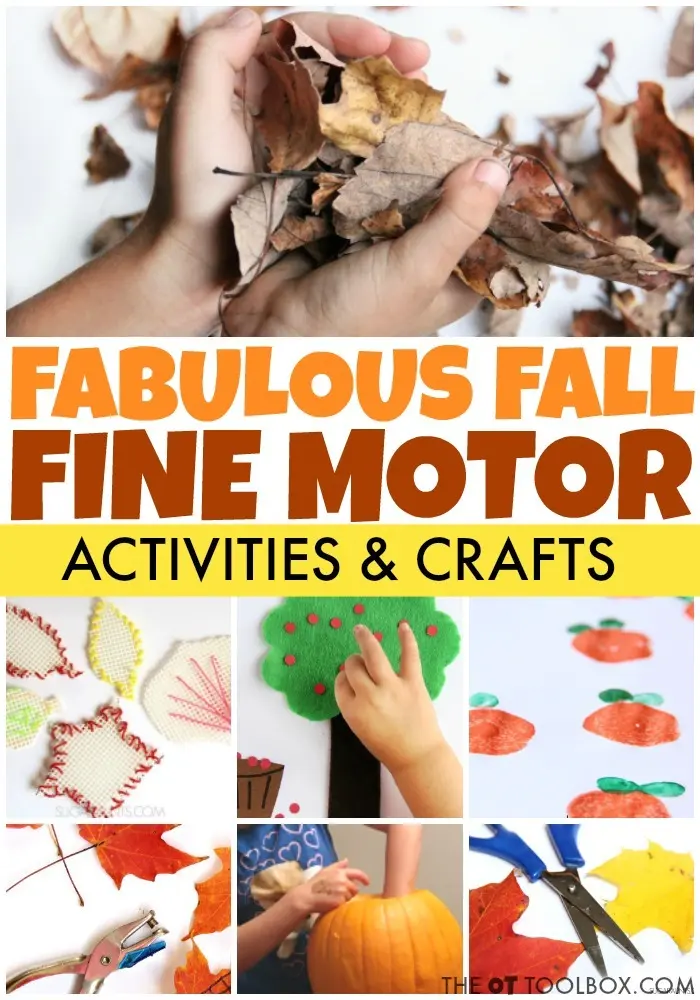
As the crisp autumn air settles in and the landscape transforms with vibrant shades of red, orange, and gold, pediatric occupational therapists, educators, and parents are finding innovative ways to harness the season for developmental growth. Rather than choosing seasonal activities purely for festive entertainment, professionals are increasingly utilizing autumn themes—incorporating apples, pumpkins, leaves, and acorns—to target specific fine motor needs in children, ranging from hand strength and finger dexterity to visual-motor integration and handwriting fluency.
The shift toward seasonal integration in therapy sessions capitalizes on natural engagement. As pumpkin spice scents fill the air and leaves begin to fall, children are naturally drawn to autumn-themed play. This intrinsic motivation provides a clinical advantage, allowing therapists to address foundational physical skills through play-based interventions that feel less like traditional work and more like seasonal celebration.
Targeting Hand Strength Through Seasonal Manipulatives
Hand strength is a cornerstone of fine motor competency, laying the physical groundwork for everyday tasks such as buttoning clothing, opening containers, and maintaining an efficient pencil grasp. During the autumn months, clinical strategies often pivot toward resistive materials that challenge the small intrinsic muscles of the hand.
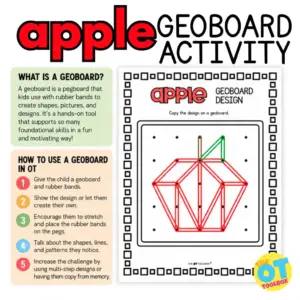
One popular modality being implemented in therapy settings is the apple geoboard. By encouraging children to stretch rubber bands across the pegs of a geoboard to replicate apple designs, practitioners introduce controlled resistance to the fingers and hands. This activity not only builds finger strength and bilateral coordination but also demands visual-motor precision and controlled release. Therapists can easily grade the challenge up by introducing thicker, more resistant bands or simplify the design when complex visual-motor demands impede physical strengthening.
Similarly, fall-themed play dough exercises remain a staple in pediatric occupational therapy. The soft, squishy medium provides both a tactile sensory challenge and proprioceptive feedback. Rolling, squeezing, pinching, and pressing dough helps develop hand arches, wrist stability, and pincer grasps. Many practitioners enhance these sessions by hiding small seasonal items—such as miniature leaves, plastic acorns, or fall-colored beads—inside the dough, transforming a standard strengthening exercise into a scavenger hunt that promotes in-hand manipulation and tactile exploration.
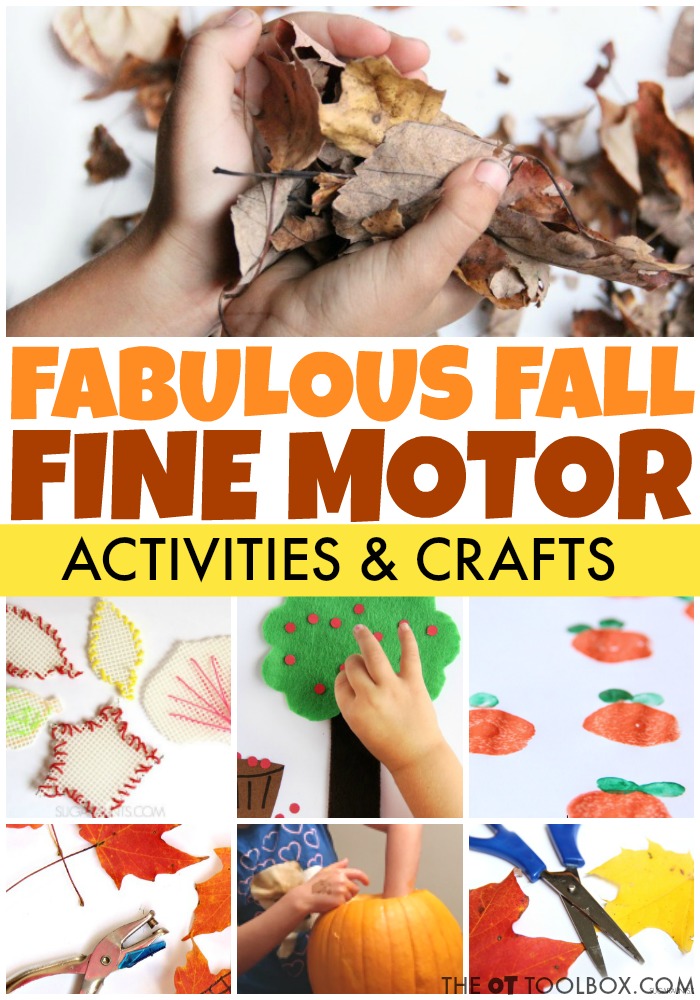
Hole-punching activities utilizing apple or leaf templates offer another effective avenue for building gross hand strength. Operating a traditional handheld hole puncher requires sustained, bilateral hand force, while positioning the punch along a designated border engages visual-motor planning.
Enhancing Dexterity and Finger Coordination
Beyond raw strength, children require manual dexterity—the ability to use the fingers efficiently for small, precise movements—to execute complex fine motor tasks. The breakdown of these skills often stems from difficulties with speed, precision, or coordination. Autumn offers an abundance of natural and synthetic manipulatives, including craft pom-poms, seeds, paper clips, and small craft materials, which serve as ideal tools for refining finger manipulation.
Apple counting cards paired with paper clips have emerged as a favorite among clinicians seeking portable, high-engagement dexterity tasks. When children attach precise numbers of paper clips to laminated apple cards, they must coordinate the opening of the clips with fingertip precision while using their non-dominant hand to stabilize the card. This bilateral hand use simultaneously reinforces number concepts and eye-hand coordination.
Fall-themed pom-pom transfers utilize tongs or tweezers to move autumn-colored pom-poms into ice cube trays or muffin tins. By altering the size of the manipulatives or modifying the tools—shifting from large tongs to fine-tipped tweezers—therapists can grade the precision required, challenging the child’s pincer grasp and visual-motor control.
Scissor Skills and Bilateral Integration
Scissor proficiency requires a complex interplay of bilateral integration, where the dominant hand opens and closes the scissors while the non-dominant helper hand stabilizes, turns, and guides the paper. Fall-themed cutting practice sheets and natural foliage offer rich opportunities to refine these capabilities.
When children cut along visual paths on apple-themed practice sheets or snip pieces from real fall leaves, therapists closely observe their mechanics. Assessments frequently focus on whether a child maintains an appropriate thumb-up cutting position, stabilizes the paper effectively across the midline, or exhibits compensatory movements. Cut-and-paste crafts further elevate these demands by incorporating executive functioning, spatial orientation, and sequencing. After cutting out farm-themed or autumn-themed pieces, children must visually determine where each component belongs, orient them correctly, and assemble them in a structured sequence.
Integrating Visual-Motor and Handwriting Competencies
A child may possess adequate hand strength and dexterity yet still encounter difficulties when a task demands visual-motor integration—the ability to coordinate visual input with fine motor output. Autumn directed drawing exercises address this intersection by requiring children to observe a model of an acorn, leaf, or pumpkin and reproduce its spatial relationships on paper.
Pattern block designs and seasonal "I Spy" seek-and-find sheets further support visual discrimination, scanning, and figure-ground attention. When paired with a fine motor component—such as covering found objects with small manipulatives or marking them using clothespins—these visual tasks bridge the gap between perceptual processing and physical output.
Handwriting, often considered the ultimate culmination of fine motor and visual-motor skills, is similarly integrated into seasonal curricula through structured writing prompts. Rather than practicing isolated letters, students engage in meaningful writing tasks scaled to their developmental level. Emerging writers may focus on producing a single fall vocabulary word, while developing and older students progress to crafting complete sentences, responding to seasonal prompts, or planning cohesive paragraphs. By focusing on specific components such as line awareness, spacing, and letter formation within a cohesive autumn theme, educators and therapists provide context that sustains student engagement throughout the season.